Darfur, June 25, 2025 (Mowatnon) –
For five consecutive days, the regions of Jebel Marra and Tawila in North and Central Darfur have experienced continuous heavy rainfall, flooding camps hosting displaced persons and exacerbating already dire conditions caused by the ongoing war between the Sudanese Armed Forces and the Rapid Support Forces.
According to the General Coordination for Displaced Persons and Refugees, these torrential rains have caused extensive damage and heightened fears of widespread outbreaks of infectious diseases such as cholera, malaria, and severe malnutrition, particularly due to the acute shortage of sanitation services and medical personnel within the camps. The situation is expected to worsen with the rainy season peaking from June through October.
With the ongoing siege on El Fasher, the capital of North Darfur, and the worsening humanitarian conditions due to continued military operations, soaring food prices, and extreme shortages, tens of thousands of internally displaced persons (IDPs) face an escalating humanitarian catastrophe—particularly in the relatively safer areas of Tawila and Jebel Marra.
As the rainy season begins, those fleeing the horrors of war and violence endure harsh living conditions, lacking even the most basic necessities such as shelter materials, blankets, medicine, and tents. International organizations have described the unfolding situation as “the largest humanitarian disaster” in the region.
“Catastrophic Humanitarian Conditions”
Adam Regal, spokesperson for the General Coordination for Displaced Persons and Refugees, described the conditions in major IDP gatherings in Jebel Marra, Tawila, and elsewhere in Darfur as “tragic and heartbreaking.” He noted that residents of El Fasher and the camps are suffering from catastrophic humanitarian conditions, with food prices far exceeding their purchasing power amid a severe cash shortage and the rise of black-market profiteering.
Regal added that the danger extends beyond heavy rains, including the spread of diseases that disproportionately affect children, women, and the elderly. Hunger, malnutrition, and thirst continue to pose a constant threat to children, pregnant women, and nursing mothers, compounded by the acute shortage of shelter materials.
Recent statistics estimate that more than 700,000 people have fled to Tawila alone, facing severe shortages of food and services. The UN Refugee Agency (UNHCR) has confirmed that hundreds of people fleeing camps like Zamzam and Abu Shouk are living in catastrophic conditions. Tawila, located 55 kilometers west of El Fasher, and Jebel Marra are under the control of the Sudan Liberation Movement led by Abdul Wahid al-Nur. These areas have become key destinations for hundreds of thousands of civilians fleeing the intensifying violence in North Darfur.
Violations and Appeals for Help
In a statement dated June 17, 2025, the General Coordination for Displaced Persons described the situation in Darfur as “almost completely shattered” and warned of an impending humanitarian catastrophe. The statement urged the United Nations, its agencies, and international organizations to intensify their efforts to address the worsening humanitarian crisis, especially given the continuous daily displacement from El Fasher to Tawila and Jebel Marra, which have become the largest displacement centers in the conflict.
The statement documented serious human rights violations along the road between El Fasher and Tawila, including:
95 cases of gender-based violence
15 deaths due to hunger and thirst
24 cases of psychological trauma
17 incidents of direct gunfire
3 individual killings in the Kass area
4 killings in Bendis
The statement also warned of outbreaks of dangerous diseases—cholera, malaria, and malnutrition—especially among children and pregnant or lactating women, compounded by severe shortages of medical staff and poor sanitation infrastructure that breeds epidemics.
Regal further highlighted the continuing grave violations of human rights as war has torn apart the social fabric of Darfur, fostering new terms and expressions of hate speech and dividing the country along narrow interests exploited by those benefitting from the conflict. He accused both parties of atrocities: Rapid Support Forces bomb the Abu Shouk camp daily, causing dozens of civilian casualties, while the Sudanese army conducts airstrikes using internationally banned heavy weaponry in populated areas.
Stories from the Heart of Suffering
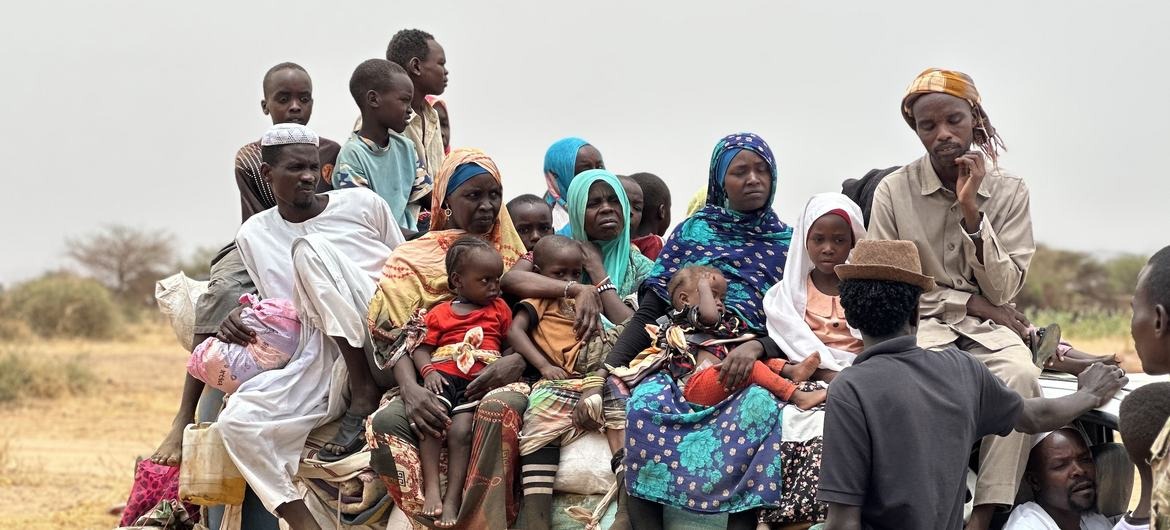
A woman from El Fasher recounted her grueling three-day journey on foot to Tawila, initially using donkey carts to transport her belongings and passing through dangerous areas such as Sheikhou and Qurna. She was forced to sleep in the open air.
Ihsan Mohamed Abdullah, a displaced woman from El Fasher’s Al-Thawra neighborhood, described fleeing under heavy gunfire, facing looting, thirst, and insecurity during her trek through Qurna. She eventually reached Tawila in a truck with elderly people and children, now living in tents awaiting humanitarian aid.
Similarly, Mishkat Adam, who fled from El Fasher to Jebel Marra, complained of a lack of medicine and sanitation services in the new camp after a long journey marked by hunger, thirst, and trauma.
Mounting Regional Challenges
Meanwhile, the refugee influx from Sudan into neighboring Chad continues unabated. According to UNICEF, over 700,000 Sudanese refugee children have arrived in Chad alone. Since the outbreak of the war in April 2023, more than 2 million children have been displaced due to the brutal conflict. Children now make up 61% of the 860,000 Sudanese refugees in Chad and 68% of the 274,000 Chadian returnees.
Chad, one of the world’s poorest countries and home to the fourth highest child mortality rate globally, faces immense challenges amid the refugee crisis. Measles and malnutrition are widespread, and the risk of cholera spreading from Sudan remains high.
“Hundreds of thousands of the most vulnerable children are bearing the brunt of the war in Sudan and the lack of essential services for those who have fled to Chad,” said Catherine Russell, UNICEF’s Executive Director, following her visit to Chad which concluded on June 23. She met with refugee children and displaced families and described their situation as dire: “They arrived carrying only horrific memories of killings, mass rapes, and the burning of homes.”
Russell also visited newly arrived families in Adré, a congested border town now hosting six refugees for every resident, where only 1 in 3 children is enrolled in school and basic services are on the verge of collapse.
According to UNHCR, more than 844,000 Sudanese refugees have crossed into Chad since the conflict began in April 2023. An additional 409,000 had already fled earlier waves of violence in Darfur since 2003. The refugee population has tripled since the intensification of attacks on civilians in North Darfur. Nearly 69,000 people have arrived in Chad in just over a month, with an average of 1,400 new arrivals per day.
This report was produced by Mowatnon Newspaper and published by the Sudanese Media Forum and its member institutions to highlight the ongoing humanitarian crisis and human rights violations in the Darfur region, particularly in North Darfur, where waves of displacement continue due to escalating conflict and violence.