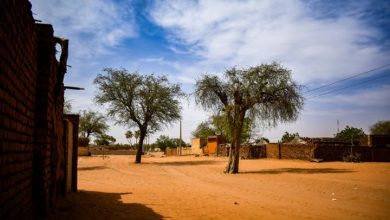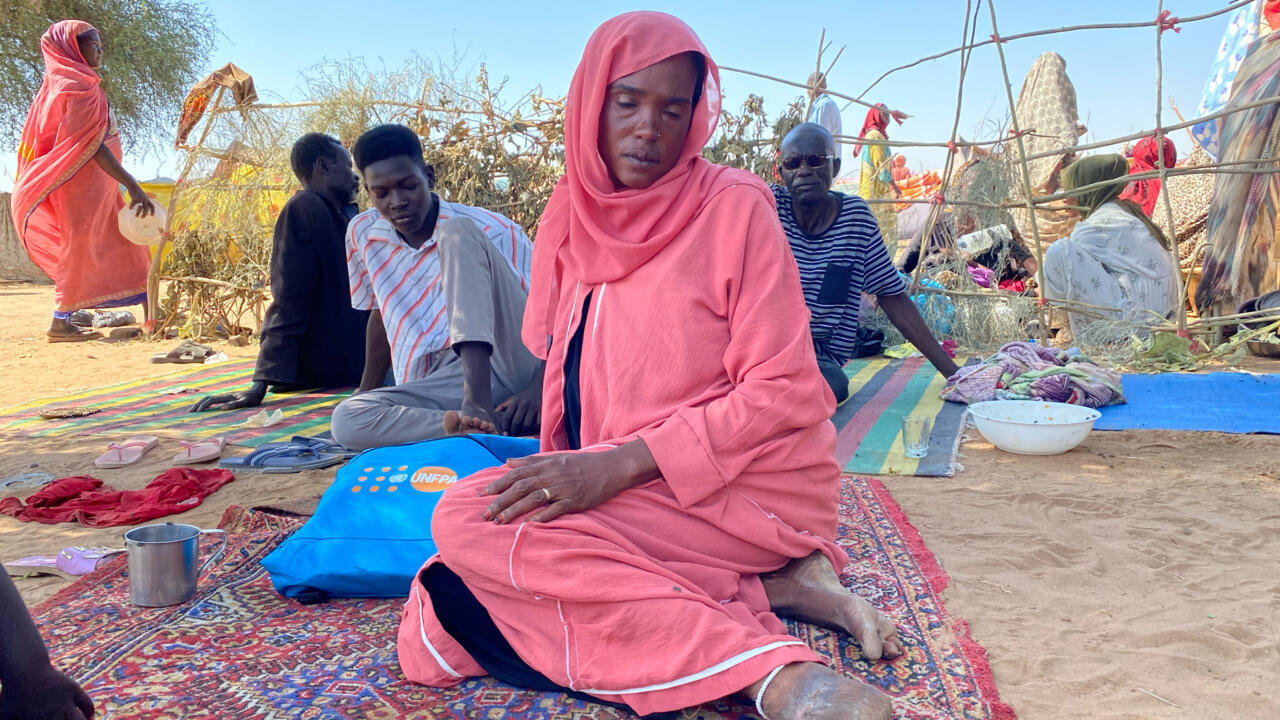
Doctors Without Borders (Médecins Sans Frontières, MSF) expressed deep concern on Saturday that “a large number of people” may still be “at risk of death” in the Sudanese city of El Fasher, which recently fell under the control of the Rapid Support Forces (RSF).
The RSF seized El Fasher on October 26 after an 18-month siege, forcing thousands of residents to flee the city in western Sudan. Reports and eyewitness accounts continue to emerge of civilians being killed in targeted acts of violence.
Atrocities and Massacres
In a statement, MSF condemned the “mass atrocities and horrific massacres” witnessed in El Fasher and its surrounding areas this week — whether carried out indiscriminately or specifically targeting certain ethnic groups.
The humanitarian organization warned that “a large number of people remain at imminent risk of death,” adding that RSF fighters and their allies are “preventing them from reaching safer areas,” such as the nearby town of Tawila, where MSF teams have been preparing to receive an influx of displaced people and wounded survivors.
However, MSF’s Head of Emergency Operations, Michel-Olivier Lacharité, noted that “the number of arrivals in Tawila remains extremely low,” asking, “Where are the others who endured months of hunger and violence in El Fasher?”
He added, “Based on what the wounded tell us, the most likely — and horrifying — answer is that they are being killed, detained, or hunted down as they try to escape.”
Horrific Scenes
Humanitarian organizations fear the occurrence of ethnically motivated atrocities similar to those committed in Darfur in the early 2000s by the Arab Janjaweed militias — the precursors of today’s RSF.
Eyewitnesses told MSF that on October 26, a group of 500 civilians, along with Sudanese Armed Forces soldiers and allied joint forces, attempted to flee, but most were killed or captured by RSF fighters and their allies.
Survivors reported that people were separated according to gender, age, or ethnicity, and that many remain detained for ransom. One survivor described “horrific scenes” of fighters running over prisoners with their vehicles.
The war in Sudan has killed tens of thousands and displaced millions, creating what the United Nations describes as the world’s worst humanitarian crisis today.
The conflict began in April 2023 as a power struggle between two former allies — the head of the army and de facto leader of Sudan since the 2021 coup, Abdel Fattah al-Burhan, and his former deputy, Mohamed Hamdan Dagalo (Hemedti), the commander of the RSF.
-
-
-
-