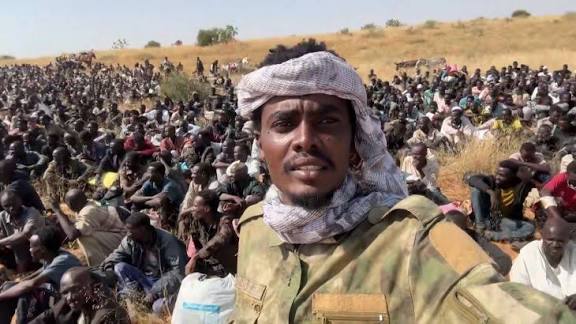
Witnesses, aid workers, and researchers say that Sudan’s Rapid Support Forces (RSF), which besieged the city of El-Fashir in Darfur before overrunning it in late October, have been systematically detaining residents and demanding ransoms for their release, killing or beating those whose families cannot pay.
Reuters was unable to determine the exact number of people being held by the RSF and allied armed factions in and around El-Fashir, the capital of North Darfur, but accounts indicate that large groups are being detained in several villages about 80 kilometers from the city, while others have been brought back into El-Fashir. The RSF is reportedly demanding thousands of dollars from their relatives.
Multiple Dangers
The detentions highlight the dangers faced by those who could not flee El-Fashir, which had been the last major stronghold resisting the RSF in the wider Darfur region before its fall. Witnesses described mass reprisals since the RSF takeover, including summary executions and sexual violence.
The situation also sheds light on the plight of some of the tens of thousands of people who remain missing. Aid agencies have been struggling to access the famine-stricken El-Fashir area, which has become a flashpoint in the two-and-a-half-year war between the RSF and the Sudanese army.
Reuters interviewed 33 former detainees and 10 aid workers and researchers who provided previously unreported details about the violence detainees faced, where they were held, and the scale of the arrests.
Ransom Payments
Survivors described paying ransoms ranging from 5 million Sudanese pounds (about $1,400) to 60 million Sudanese pounds (about $17,000)—huge sums for residents of such a poor region.
Eleven survivors said that some detainees who could not afford to pay were shot at close range or killed in groups, while others were brutally beaten. A Reuters reporter saw survivors who had crossed into Chad with injuries that appeared consistent with beatings or gunshot wounds, though Reuters could not fully independently verify individual accounts.
Mohamed Ismail, who spoke to Reuters by phone from Tawila—a nearby town controlled by neutral forces—said that the RSF typically gave families three or four days to send money, after which detainees were killed.
He fled El-Fashir when RSF forces captured the city on October 26, but he was detained in the village of Um Jalbakh along with a group of 24 men. He and his nephew were forced to collect 10 million Sudanese pounds ($2,800) from their family to secure their release. Nine other men, he said, were killed in front of them.
Ethnic Violence
RSF legal advisor Mohamed Mokhtar said a rival armed group wearing uniforms similar to the RSF was responsible for most of the reported detentions and extortion involving El-Fashir residents.
A committee within the RSF is investigating more than 100 alleged violations daily in El-Fashir, and a large number of suspects have been arrested, with nine convicted so far, committee head Ahmed Al-Nour Al-Hala told Reuters.
The fall of El-Fashir after an 18-month siege was a turning point in a war sparked by a struggle for power between the Sudanese army and the RSF. The conflict has caused what the United Nations describes as the world’s worst humanitarian crisis, and both sides face allegations of war crimes.
Missing Numbers
It is estimated that up to a quarter of a million people were living in El-Fashir when the RSF seized control of the city and tightened its grip on the region. In scenes reminiscent of the Darfur genocide 20 years ago, Arab-dominated forces and their allies have been accused of mass killings targeting non-Arabs earlier in the conflict.
Survivors detained in and around El-Fashir told Reuters they were frequently asked about their tribal affiliation and subjected to racial slurs.
The International Organization for Migration estimates that more than 100,000 people have fled El-Fashir since the RSF takeover. Aid groups say more than 15,000 arrived in Tawila and about 9,500 crossed into Chad, but most remain trapped in RSF-controlled villages around El-Fashir, including Garni, Kurma, Um Jalbakh, Shaqra, Hilla Al-Sheikh, Jabal Wana, and Turra.
Researchers say it is unclear how many remain inside El-Fashir itself. Aid groups report that some residents could not flee because they could not afford the cost of leaving the city, or because illness or injury made travel impossible.
Communications Blackout
Yasir Hamad Ali (36), a former detainee who reached Chad, said RSF members arrested him on October 29 along with 16 others as they fled El-Fashir. He said they beat him severely and demanded 150 million Sudanese pounds ($4,200) for his release.
Speaking from a hospital in Tina near the Chad–Sudan border, he said RSF fighters used a vehicle-mounted Starlink satellite internet device to contact his family through Facebook Messenger.
Large areas under RSF control have been cut off from communications since the war began, fueling the spread of Starlink devices. Starlink did not respond to Reuters’ request for comment.
Ali said his family negotiated the ransom down to 5 million pounds, transferred through the Sudanese mobile payment service “Bankak,” according to receipts seen by Reuters.
Another man in Tina, Ibrahim Keiter (30), said his family mortgaged their house in Atbara to pay his 35-million-pound ($9,000) ransom, and he doubted they would ever be able to repay the loan.
His brother, Al-Haj Al-Tijani Keiter (31), said fighters held a gun to his head and beat him severely during a video call with the family—similar to tactics used by migrant-smuggling gangs in neighboring Libya to force higher ransom payments.
The RSF has often recruited fighters and allied factions with promises of looting instead of fixed salaries, and widespread looting has been reported in RSF-controlled areas. However, aid workers say the large ransom demands now seen around El-Fashir represent a new pattern.
Satellite imagery from the village of Garni on November 28 shows hundreds of newly built makeshift shelters over the previous month. Two aid workers said this suggests detainees may be held there for extended periods.
Detention Inside El-Fashir
Reuters previously reported that men and women were separated upon arrival in Garni, but women are also being held there. One woman said she was blindfolded and raped repeatedly for several days. Another said she witnessed similar assaults and was threatened with death when she tried to intervene.
Eight former detainees said they were brought back into El-Fashir and held for ransom in various buildings, including military facilities and university dormitories.
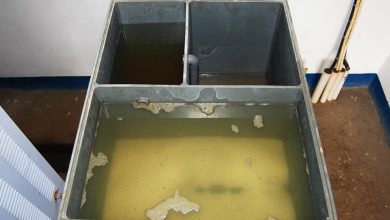
A 62-year-old teacher, who requested anonymity, said he found himself inside El-Fashir Children’s Hospital with hundreds of other men. They were packed tightly together, he said, and had nothing to drink except stagnant water from a pool in the hospital—which they later discovered was sewage. He said around 300 men died there. Two human rights researchers who spoke with witnesses gave similar estimates.
Mujahid Al-Tahir (35), detained in El-Fashir, said he was released after being beaten and paying 30 million pounds, only to be abducted again in Zalingei, where his captors forced his family to pay another 6 million pounds.
Speaking to Reuters in N’Djamena, Chad, he said he saw the bodies of seven men he had escaped with—shot in the head and chest. He showed Reuters an image of his feet covered in sores after he was forced to walk barefoot when RSF fighters took his shoes.
Since taking El-Fashir, the RSF has circulated videos showing people receiving food and medical care in the city.
A nurse told Reuters she had been detained by the RSF and filmed while receiving food and claiming she was treated well. She added, however, that “they torture people, then show them moments later on camera.”
مقالات ذات صلة
-

-
-
-