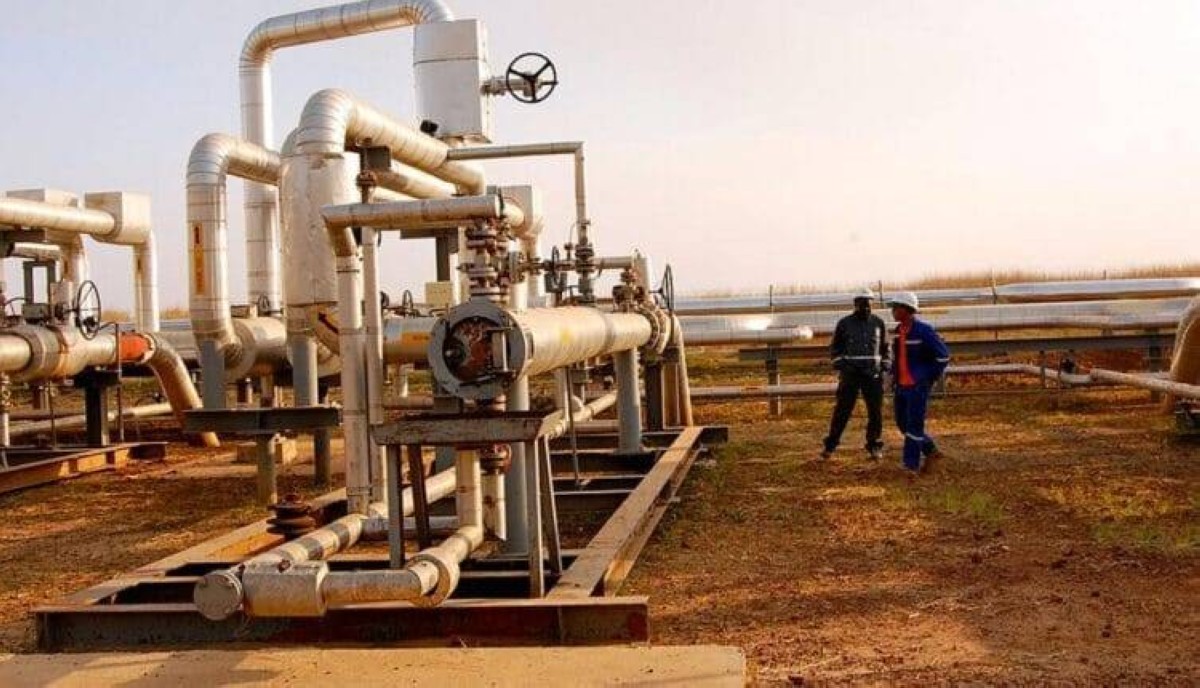
A source working in the Heglig oil field reported that the army and employees have withdrawn to South Sudan.
Oil is transported through the Greater Nile Petroleum Operating Company (GNPOC) pipeline to Port Sudan on the Red Sea for export, making Heglig a crucial location for both Sudan’s foreign currency revenues and South Sudan, which has no seaport and relies almost entirely on pipelines that pass through Sudan.
The war that erupted in April 2023 has led to repeated disruptions in the flow of South Sudan’s oil—which, prior to the conflict, ranged between 100,000 and 150,000 barrels per day for export through Sudan.
China had earlier decided to terminate its oil contracts with the Sudanese government following the shutdown of production in Block 6, located in the Balila area of West Kordofan State, since 2023.
In a statement issued Sunday evening, the China National Petroleum Corporation (CNPC) justified its decision due to the continuing deterioration of security at the field, which has suffered from acts of sabotage, theft, and the collapse of supply chains.
CNPC called on the Sudanese government to attend an urgent meeting in Juba, the capital of South Sudan, during December to discuss the early termination of its oil operations in Sudan.
The Chinese government also sent an official letter to its Sudanese counterpart through PetroEnergy, its subsidiary company in Sudan.
China has been Sudan’s primary strategic partner in the oil and gas sector, playing a major role in the country’s oil production since 1999.
مقالات ذات صلة
-
-
-
-