
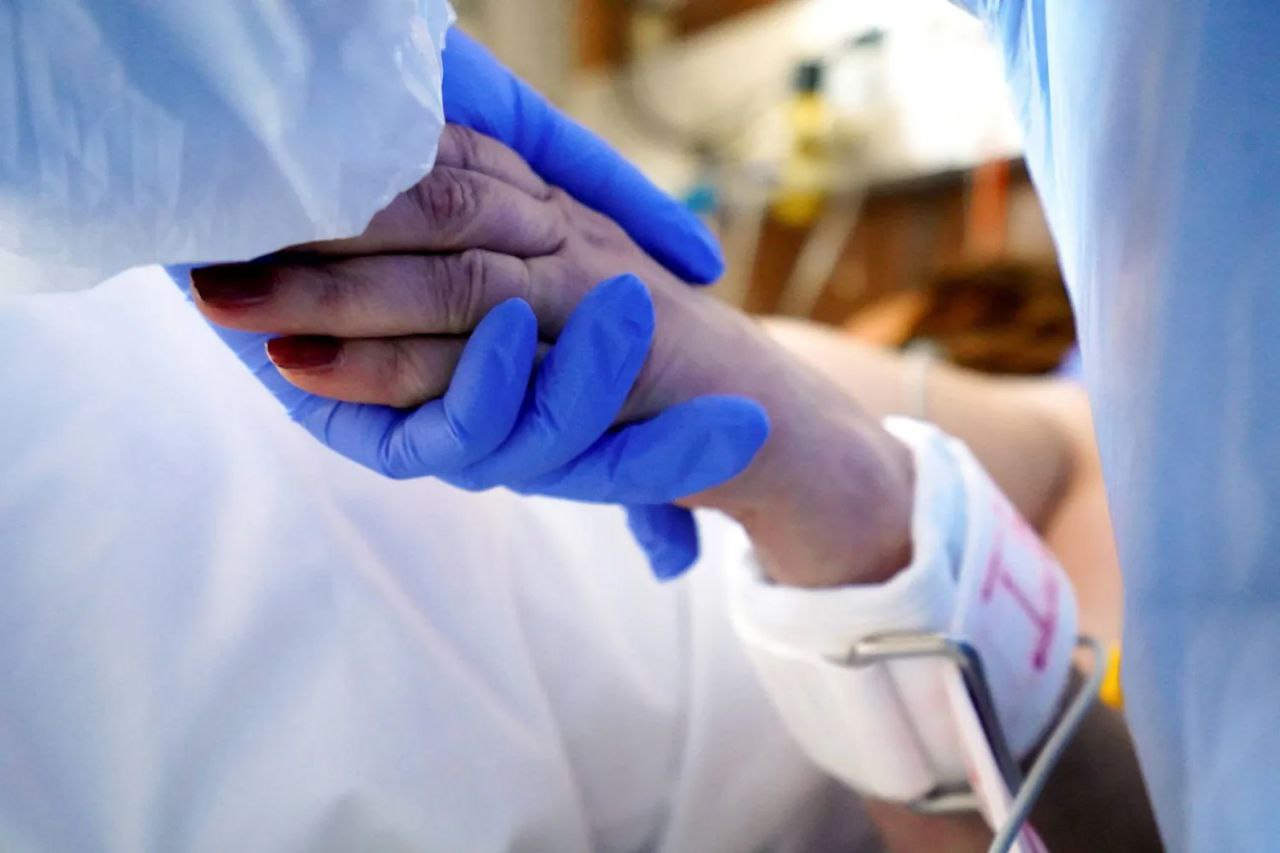
Al-Jazirah State in central Sudan is witnessing a deeply concerning outbreak of several epidemic diseases, most notably malaria and viral hepatitis. Experts warn that the health situation is turning into an open-ended catastrophe unless authorities take urgent measures.
A recent report from the Emergency Operations Center of the Ministry of Health in Al-Jazirah State revealed a continuous rise in infection rates for malaria and hepatitis. Additionally, two suspected cases of whooping cough and one case of measles have been monitored.
The World Health Organization (WHO) has also warned of a severe outbreak of Hepatitis E in Al-Jazirah State. The state accounted for 69.5% of infections and 96% of deaths out of 3,826 reported cases and 52 deaths recorded between January 2025 and January 2026 across nine Sudanese states.
A Silent Killer of the Liver
Viral hepatitis is one of the most dangerous diseases affecting the liver, causing inflammation of liver cells. It is scientifically classified into five types (A, B, C, D, and E), all of which target the liver despite belonging to different viral families. Transmission methods vary; some are direct viral infections, while others result from toxins like alcohol and certain medications, or autoimmune disorders.
Doctors explained that the majority of infections in Al-Jazirah are viral in origin. Speaking to Al-Arabiya.net/Al-Hadath.net, they noted that symptoms vary depending on the virus type and the severity of the infection; cases can range from mild to life-threatening.
Crucially, many patients may not show any symptoms in the early stages, making detection difficult without precise medical testing. Symptoms can include loss of appetite, nausea, and muscle or joint pain, while some cases progress without warning, only to surprise patients later with severe complications.
Poison in the Water and Soil
Health sources and citizens told Al-Arabiya.net/Al-Hadath.net that Al-Jazirah is facing an acute environmental crisis. Water pollution has created an ideal environment for viruses to thrive and transmit to humans through drinking or daily use. Many neighborhoods lack basic sanitation facilities and public hygiene is neglected, increasing the likelihood of outbreaks.
Environmental pollution is a primary factor in the widespread transmission of hepatitis. Contaminated water and air pollution not only threaten health directly but also weaken the immune system, making the body more susceptible to viruses. Residents noted that the accumulation of waste in residential areas has turned the state into a hazardous health hotspot.
An Infested Environment
Dr. Adiba Ibrahim Al-Sayed, an internal medicine and epidemics specialist, warned that the health situation is undergoing a rapid and dangerous collapse. She noted the massive spread of various types of malaria and the persistence of dengue fever, fueled by a high density of disease-carrying mosquitoes in several states, particularly Khartoum and Al-Jazirah. She attributed this to unprecedented environmental degradation caused by waste accumulation, overflowing sewage systems, and neighborhoods filled with stagnant water.
Dr. Adiba further emphasized that the crisis is exacerbated by a shortage of medical staff and a lack of life-saving medicines—especially malaria treatments. Additionally, the overcrowding of patients in shelters and displacement camps has led to a significant spike in infections and deaths. She highlighted alarming indicators for the spread of hepatitis in Al-Jazirah and the emergence of cases in Khartoum, describing the environment as an “open incubator for epidemics.”
A Plea Before the Explosion
The report called for immediate and decisive action, including repairing water and sewage networks, launching comprehensive cleaning campaigns, accelerating the provision of vaccines and medicines, and activating health emergency rooms. Dr. Adiba stressed that continued inaction will expand the scope of the disaster, requiring urgent official decisions and organized grassroots efforts to stop the deterioration before it spirals completely out of control.
Black Market for Blood
In a parallel development, citizens complained to Al-Arabiya.net/Al-Hadath.net about a severe shortage of blood bags, with transfers restricted to narrow limits. Residents reported that blood is now being sold on the black market in the city of Wad Madani, with prices ranging between 25,000 and 40,000 Sudanese Pounds (where USD is approximately SDG), reflecting the scale of the humanitarian crisis accompanying the epidemics.
مقالات ذات صلة
-
-
-
-

