Sudan has known the scrap trade since ancient times. It was typically practiced by individuals roaming residential neighborhoods with loudspeakers to collect iron, copper, aluminum, plastic, car batteries, and other waste. After collection, these items were sorted and sold in Sudanese markets.
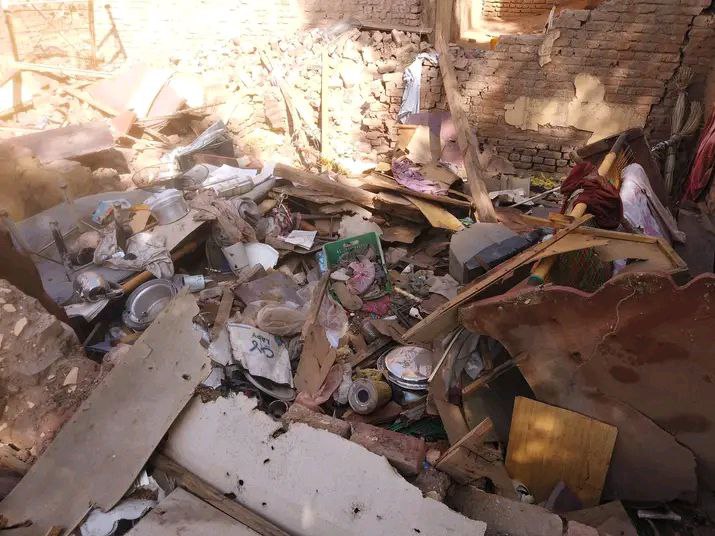
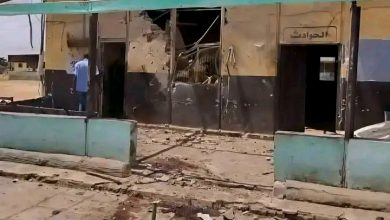
However, with the outbreak of the war on 15 April 2023, between the Sudan Armed Forces (SAF) and the Rapid Support Forces (RSF), this trade has seen a massive surge among large sectors of the population. This is due to the widespread presence of war remnants following the expansion of military operations involving artillery shells, rockets, ammunition, drones, and burnt-out vehicles. These materials are gathered and transported in containers by large trucks from conflict zones to safe states, unaffected by the war, to be melted down and recycled.
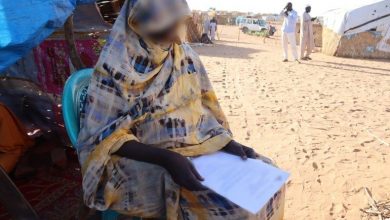
Large groups of children under the age of 12, suffering from economic vulnerability and lack of education, are active in this trade, alongside homeless individuals who have found a way to earn enough to survive. However, it is a trade fraught with health risks, as many areas are planted with landmines, and toxic substances exist that can lead to death.
A Thriving Trade
Al-Adeen Youssef, the owner of the largest scrap collection site in the Al-Fitaihab suburb of Omdurman, says: “The scrap trade in Sudan is a long-standing commercial activity. All you need is a table, a calculator, and a scale. It has become an attractive profession providing rewarding financial returns, especially after the emergence of suppliers from certain countries. These remnants, most importantly iron, are exported to Europe, Asia, and China after being melted. Furthermore, the establishment of heavy industry factories contributed to the spread of scrap collection markets in the capital’s three cities (Khartoum, Bahri, and Omdurman). The Popular Market in Omdurman is considered a pioneer in this field, alongside various informal markets (dalalas) active in scrap sales.”
Youssef added: “The current war has allowed the scrap trade to create ‘quick wealth’ amidst deteriorating economic conditions due to the rising price per kilogram. This happened after a factory began purchasing scrap from markets, prompting most citizens to collect it from main and side streets, residential neighborhoods, and garbage dumps. Furthermore, some have recruited children from homeless and impoverished backgrounds who couldn’t join school; they have become scrap collectors for a few pounds.”
He continued: “In my estimation, war remnants have revived the scrap trade, especially the iron from combat vehicles scattered on the roads. This has led to a massive labor force active in collecting it, in addition to iron from looted cars, which often arrives as parts. This is along with aluminum and copper wires, manhole covers, and electricity and communication cables. The war created a state of chaos that citizens and traders exploited in the absence of specialized authorities busy with the conflict.”
The scrap dealer noted that as the war has dragged on, this profession has provided job opportunities for many, becoming a source of livelihood to meet basic needs after the savings of trapped citizens who had no daily bread ran out. They perform their work diligently and are paid based on production (weight), but first, they sort and dismantle the materials.
Financial Security
Fathi Abdelrahman, a scrap collector, said: “Before the war, I worked in a blacksmith shop. I went through harsh circumstances during this war because I rely on daily wages. Recently, I turned to collecting scrap despite the intense military confrontations. This profession has provided us with financial security, and we have become able to support our families under these difficult conditions.”
Abdel-Rahman added: “It is true we work under danger and difficult conditions, but we have no other choice. all easy jobs stopped because of this war. The scrap business is in high demand now given the prevalence of iron, copper, aluminum, and tin on the streets. We don’t need much effort to find it; we collect it and sell it to traders in the Popular Markets of Omdurman and Khartoum—the two largest hubs for scrap now—as well as the Central Market and Souq 6 in Al-Haj Yousif (Khartoum Bahri). The only problem we often face is the lack of safe passages.”
An Economic Pillar
In a related context, economic researcher Abdel-Wahab Jumaa believes that the scrap trade has become an economic haven amidst the harsh conditions in Khartoum’s poor neighborhoods. Hundreds of people young and old—have found their calling in this activity to help them cope with the difficulty of living. This is especially true since the streets and alleys are filled with the remnants of the raging war: rockets, artillery, and even drones. Once used, these are considered scrap, leading to the industry’s prosperity.
He added: “Before the war, scrap activity was stagnant due to the cessation of exports and the closure of some factories. It had previously regained momentum in 2007 with the emergence of large heavy-metal factories. In my view, the scrap trade has become common due to war remnants since the Darfur war and the South Sudan war, which lasted for many years. It supported the Sudanese economy through importers from Chad, Libya, Eritrea, and Ethiopia. Now, it is smuggled across borders for melting and recycling, much like the human trafficking trade that has flourished during the war.”
Jumaa continued, noting that Wad Madani was the first recipient of scrap from war remnants, but after it was overrun by the RSF at the end of last December, the materials began being transported to states unaffected by the war.
Jumaa expects the scrap trade to flourish significantly after the war ends, becoming an economic pillar for Sudan. This may involve the return of companies that used to import iron and scrap in large quantities but stopped due to costs, as well as the return of steel factories to operation.
The economic researcher warned those collecting scrap to wear gloves and masks to avoid health hazards, such as toxic materials like lead found in some ammunition. He stressed that large areas of land are planted with mines, both of which can lead to death.
مقالات ذات صلة
-
-
-
-