The Renewed Tragedies of Sudanese People: Structural Damage to War-Affected Buildings
Mashaweer - Report by Ishraqa Ali Abdullah
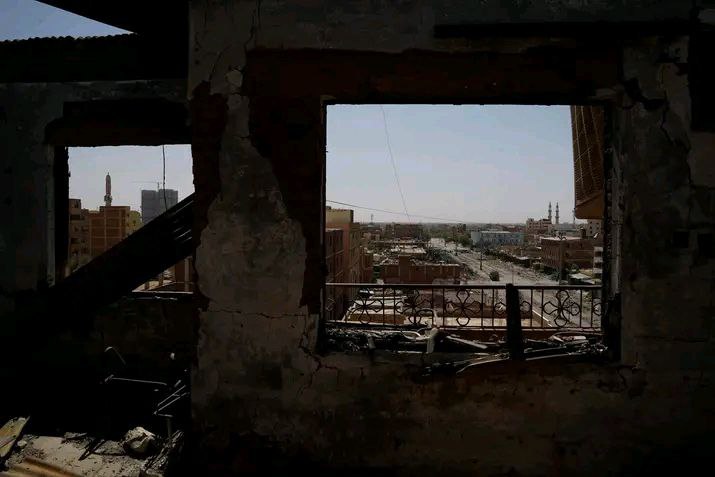
Despite the vast scale of destruction left by the armed conflict between the Sudan Armed Forces (SAF) and the Rapid Support Forces (RSF) in many Sudanese cities, particularly the capital, Khartoum, thousands of citizens have returned to their damaged homes amid serious concerns regarding structural safety and habitability.
Between visible damage and hidden defects, visual inspection by homeowners is not enough to guarantee safety. There is an urgent need for professional engineering assessments to evaluate cracks, fissures, and holes caused by shells, mortars, and bullets, creating a difficult balance between safety requirements and the dire economic reality of those returning.
A national initiative has been launched to evaluate these homes and identify “invisible” damage. Led by structural specialists, this professional framework aims to bridge the gap between the reality on the ground and the decisions to return or renovate. The initiative also seeks to raise awareness about hazards not visible to the naked eye and emphasizes the necessity of responsible engineering inspections to avoid potential disasters.
Damages and Apprehensions
Abdulsalam Madawi, a resident of the Al-Fitayhab suburb in Omdurman, says: “My return from displacement areas is haunted by fears that my house could collapse at any moment. It suffered severe damage from shells and incendiary rounds that caused internal fires, in addition to clear cracks and holes in the walls and ceilings.”
He added: “Most citizens wanting to return are confused about how to verify structural safety. The destruction is massive, especially for buildings based on pillars. Visual repairs seem insufficient. The core problem is knowing if the house maintains its structural integrity or has hidden damage, especially with the absence of official inspection bodies and the high cost of private firms.”
Madawi continued: “The financial capacity of returnees is a major barrier. They have returned with no money and cannot afford a specialized engineer or a professional consulting office, particularly for multi-story buildings. The anxiety isn’t just about the state of the house; there is also fear that local authorities might form inspection committees and charge high fees without being asked, potentially leading to bureaucratic hurdles, expensive ‘fitness for habitation’ certificates, fines, or even imprisonment for non-payment.”
Threats and Technical Measures
Architectural Engineer Mohammed Babiker explained that the war continues to threaten lives even after the fighting stops. Buildings made of reinforced concrete, cement, and steel are subject to fire resistance tests. High temperatures from fires can cause steel reinforcement to expand, leading to cracks, and cause chemical reactions in the cement that lead to a loss of strength and moisture, compromising the building’s stability.
Babiker added: “Evaluating homes before re-habitation has become an absolute necessity. It should be coordinated with authorities in Khartoum, Khartoum North (Bahri), and Omdurman, resulting in official reports and guidelines for renovation. This is especially vital for strategic sites and landmarks in central Khartoum, which saw the fiercest battles. Any damage to core elements like columns, beams, and slabs represents a direct threat to the residents.”
Exercising Caution
Engineering specialist Al-Shafi’i Hassan noted that buildings on pillar foundations that were hit or burned are more sensitive than others. If serious damage is found, these buildings must be classified as “dangerous,” requiring precautions such as replacing damaged columns.
Hassan clarified the difference between types of damage:
* Structural Damage: Affects the load-bearing skeleton (columns, ceilings, foundations). Any injury here is critical and dangerous.
* Architectural Damage: Affects finishes (paint, plaster, doors, windows). While these may look bad, they can be treated without compromising the building’s safety.
He stressed that fire and explosions weaken both concrete and steel, requiring lab tests to determine the “reduction ratio” of the material’s strength before deciding whether to reinforce or completely replace sections.
Safety Risks
Hashem bin Auf, a member of the Initiative to Evaluate War-Damaged Houses, stated that the risks include hidden “fatigue” caused by vibrations from explosions and intense heat.
“The initiative is a contribution from the engineering community to raise awareness and provide simplified scientific explanations to help citizens make safe decisions,” Bin Auf said. “Renovating or performing ‘cosmetic maintenance’—like painting over cracks and holes without addressing the structure, is a direct threat to life.”
He concluded: “The challenge is huge given the scale of damage and limited human resources. We aim to build a national network of specialists to prioritize residential buildings, schools, and hospitals. Because many families cannot afford high fees, we are calling on government and university laboratories to provide subsidized testing services. Buildings in the heart of Khartoum that faced heavy bombardment may look standing but could be in a state of ‘functional collapse.’ Safety requires professional verification, not guesswork.”