Consequences of War Hinder Recovery of Sudan’s Pharmaceutical Sector
Report by Mashaweer
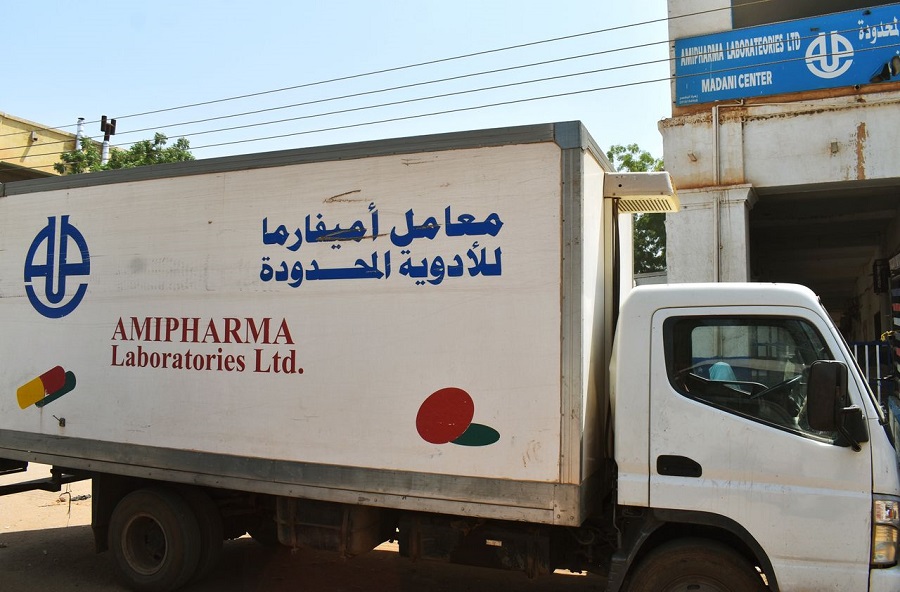
Sudan’s pharmaceutical and medical treatment sector faces numerous challenges and obstacles preventing its full return to production and the resumption of factory and company activities after a long hiatus intended to bridge the medicine gap.
Despite the central government’s return to the capital, Khartoum, the health system continues to suffer catastrophic consequences. This has exacerbated the suffering of citizens, especially given the lack of treatment. Patients with chronic diseases are now threatened with death due to the loss of life-saving medicines, following the cessation of production at 41 pharmaceutical companies and more than 90% of medicine factories.
The electricity and power generation crisis currently represents the largest obstacle to restoring the sector’s operational capacity. The few functioning factories rely on solar panels and diesel generators, leading to high operating costs. This has forced owners to halt work, in addition to the migration of businessmen abroad.
Obstacles and Crises
The Sudanese Chamber of Pharmaceutical Manufacturers stated that losses in the pharmaceutical manufacturing sector, including the disruption of production chains due to the war, have exceeded $1 billion. This is in addition to losses involving the looting of electrical cables, destruction of production lines, and the migration of 40% to 60% of specialized technical staff—a major challenge for a sector relying on precise expertise that is difficult to replace.
Khaled Wada’a, a member of the Chamber, explained that the worsening power crisis is the primary hurdle. He called on the government to:
* Provide electricity and establish a bank financing portfolio to purchase raw materials and rehabilitate factories.
* Adopt supportive customs and financing policies.
* Protect national industry as a strategic security sector.
He noted that the pharmaceutical industry is a vital economic pillar, providing 8,000 direct jobs and thousands of indirect jobs, supporting over 50,000 families. He revealed that six factories have resumed production despite damages, including “Blue Nile,” “Pharmaceutical Industries,” the Military factory, and the “Wafra” factory (which continued production throughout the war). Ten more factories are expected to enter production by the end of next March.
Treatment and Stability
The Sudanese Minister of Health, Haitham Mohamed Ibrahim, stated that Sudan requires at least $300 million annually to cover basic medicinal needs. He noted that while challenges remain, the situation is better than before.
Key updates from the Minister:
* By 2025, full stability in the availability of basic medicines was achieved, with over 700 types secured without interruption.
* Pharmaceutical imports via companies have quintupled compared to the first year of the war.
* The availability of emergency and basic medicines has improved from less than 40% at the start of the crisis to over 70% currently.
Production Stoppage
Omar Hassan, a member of the Sudanese Pharmacists Association, stated that the destruction of power grids has led to a near-total halt in local manufacturing. Some factories have temporarily shifted to importing finished medicines despite high shipping costs. This has resulted in a scarcity and price hike for private-sector medicines, including treatments for cancer, diabetes, malaria, and kidney dialysis supplies. He described the difficulty of obtaining medicine in Sudan as a “silent humanitarian crisis.”
Supply Disruptions
Pharmacist Adel Elias reported that local manufacturing cannot be quickly replaced by imports due to the collapse of the Sudanese Pound and lack of funding. He noted that medicine prices have surged by over 300% in some areas, leading to the spread of smuggled and counterfeit drugs. Many pharmacists have been forced to close their shops due to supply interruptions and loss of income.
Effective Oversight
Mohamed Bashir, head of the Oversight Secretariat at the National Medicines and Poisons Board, reported an improvement in medicine availability and a decrease in violations. The Board has formed a high-level committee including Customs and Economic Security to prevent the entry of smuggled drugs. He emphasized that medicine prices are now subject to regulated pricing lists and that continuous inspections are being conducted to reduce the presence of unregistered medicines under the Medicines and Poisons Act of 2009.