As the war in Sudan nears the completion of its third year, the Sudanese people face an unprecedented tragedy since the country’s independence in 1956, amid massive destruction and armed chaos that threatens both the state and society.
The war broke out on April 15, 2023, with the eruption of a conflict between the President of the Sovereignty Council, General Abdel Fattah al-Burhan, and his deputy, General Mohamed Hamdan Dagalo (Hemedti), commander of the Rapid Support Forces (RSF)—which originated as a tribal militia during the era of ousted President Omar al-Bashir.
A Comprehensive War
Over time, the conflict has transformed into a comprehensive war that has moved beyond a mere “clash of generals” to become a confrontation threatening state institutions and directly targeting civilians.
According to documentation by human rights organizations, the United Nations, and international media, RSF operations in Khartoum, Gezira State, El Geneina, and El Fasher have included killings, rapes, looting, and destruction of property. This has stripped Sudanese citizens of their dignity and caused severe damage to infrastructure.
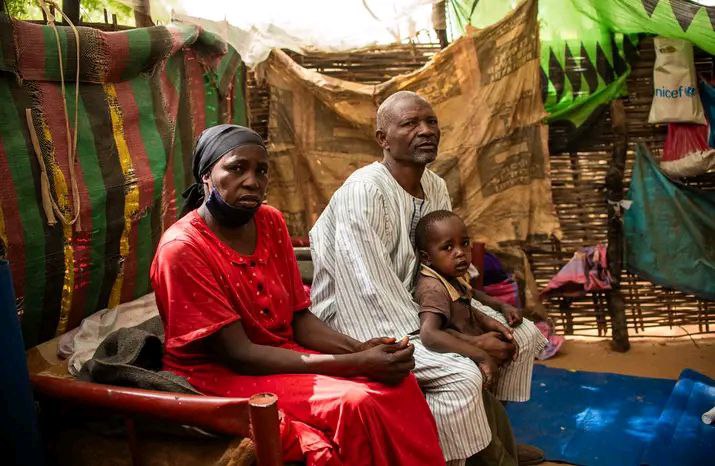
According to UN estimates, the war has led to a worsening acute humanitarian crisis, with the displacement of millions of Sudanese and tens of thousands of deaths.
Crimes and Violations
The events of the past three years indicate that the Sudanese war is not just a dispute between two generals, but a multi-dimensional conflict involving internal and external actors. There is international involvement in supporting and arming the parties to the conflict at a time when Sudanese citizens await an end to this strife, which has ravaged their cities and families and threatened the future of the entire state.
An independent UN-backed investigation concluded that actions committed by the RSF in El Fasher, the capital of North Darfur, amount to war crimes and crimes against humanity, with indicators bearing the hallmarks of genocide.
Last December, satellite images—as reported by The Guardian—showed dozens of piles of bodies scattered in the streets of El Fasher, which has turned into a “vast crime scene” and a “human slaughterhouse.” The analysis suggested that bodies were being gathered in piles in preparation for burial in mass graves or burning in large pits.
Increasing Dangers
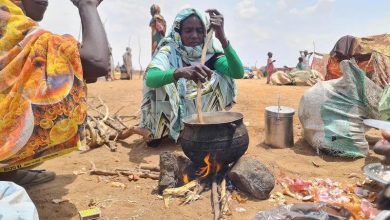
Throughout three years of continuous violence, the difficulty of reaching those in need and a lack of funding have hindered the delivery of aid. This has made Sudan one of the worst humanitarian crises in the world, with approximately 33.7 million people in need of humanitarian assistance this year.
Furthermore, the UN, international human rights organizations, civil society, and the media have reported that the current year has seen widespread arbitrary and unlawful killings. Both the Sudanese Armed Forces (SAF) and the Rapid Support Forces (RSF), as well as their allied militias, bear responsibility for grave violations, including systematic killings of civilians.
Despite the return of some displaced persons to Khartoum, civilians still face grave dangers, including unexploded ordnance, while fighting continues in West Kordofan. The UN Office for the Coordination of Humanitarian Affairs (OCHA) reported that the siege imposed on the cities of Kadugli and Dilling has cut off communication, significantly limiting access to food, healthcare, farms, and markets.