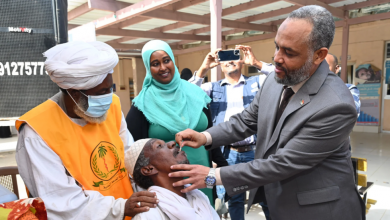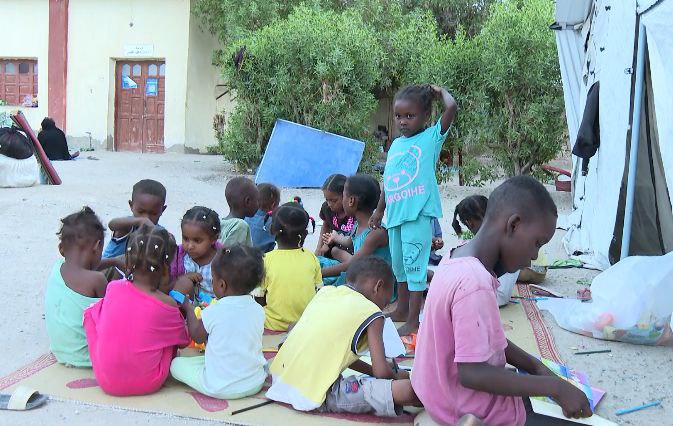
The United Nations World Health Organization revealed a widespread outbreak of depression, anxiety, and post-traumatic stress disorders in the Sudanese capital, Khartoum. The prevalence rate reached 12 percent among secondary school students and nearly half of the displaced population.
Sudan lacks mental health specialists, with only 899 professionals available across the entire country.
The organization stated in its report that the prolonged conflicts in Sudan have created a significant burden of mental health disorders. Cases of depression, anxiety, and post-traumatic stress disorder are prevalent at a rate of 12 percent among high school students in Khartoum, and over 59 percent among the displaced population.
The report indicated that children are the group most at risk, facing threats of abduction, sexual violence, forced recruitment, and child marriage, which exposes them to psychological trauma and long-term suffering.
The organization added that major psychotic disorders are relatively rare, while data regarding suicide and substance abuse lacks accuracy due to unavailability. It is estimated that more than one out of every five people living in conflict areas suffers from a mental disorder.
The report suggested a rise in cardiovascular disease rates, which were estimated at 2.5 percent in 2011, mostly involving cases related to high blood pressure, rheumatic and ischemic heart disease, and cardiomyopathy.
It stressed that heart patients face increased risks due to interruptions in medication supplies and difficulty accessing care, especially those suffering from uncontrolled high blood pressure who are at risk of stroke.
مقالات ذات صلة