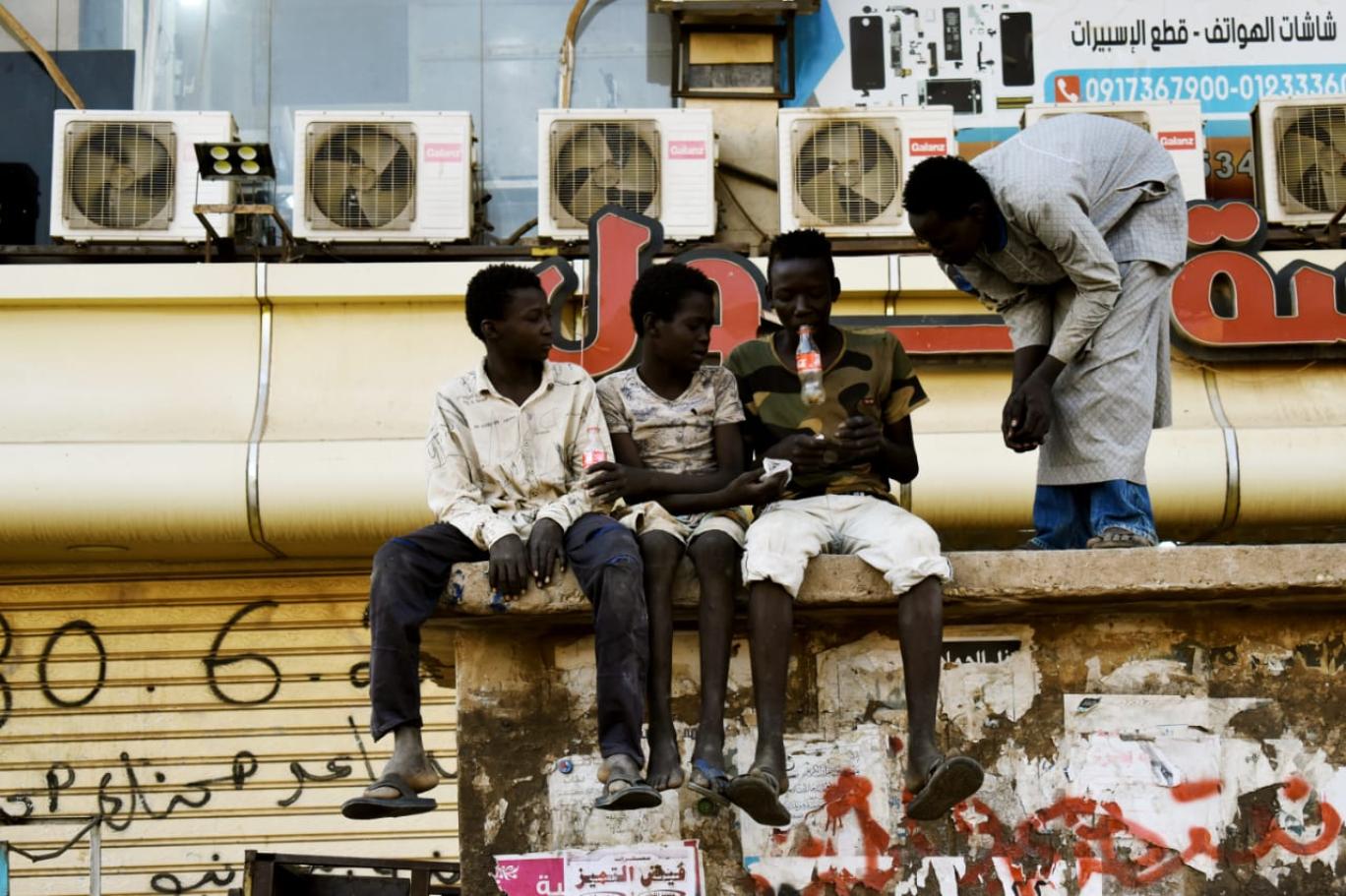
Concerns are growing over the continued closure of the Maygoma Orphanage for children without parental care in Khartoum since the outbreak of war between the Sudan Armed Forces (SAF) and the Rapid Support Forces (RSF) in mid-April 2023. This comes amid fears for the fate of dozens of infants who relied on this home as their sole shelter for care and protection, in light of the deteriorating humanitarian and health conditions caused by the ongoing conflict in the country.
The closure of this home comes despite government institutions recently resuming their work in Khartoum after returning from their temporary headquarters in Port Sudan. This raises questions about the impact on this group, which faces significant challenges—most notably the deterioration of services after they were moved to Gezira, Port Sudan, and Kassala states following the start of fighting in the capital.
Raising Awareness
Intisar Ibrahim, who fostered a child without parental support before the war broke out in Khartoum, said: Children without parents come into the world under abnormal circumstances. In my view, they are in desperate need of families to help raise them, especially for those who have not been blessed with children of their own.
She continued: The girl I fostered from the Maygoma home grew up and became as close to me as if I had given birth to her because of the dedication to her care. Adopting these children is the ideal solution under these current circumstances so they are not exposed to health conditions leading to death due to the deterioration of health services and the spread of diseases and epidemics the country is experiencing during the war.
Ibrahim noted: It is necessary to raise awareness about children without support as their numbers increase, along with pregnancies among women and girls due to gross sexual violations, while there is no role currently played by the state to contain them as it is occupied with the continuous conflict.
Alternative Care
For her part, Sawsan Abdullah, a worker at the Maygoma home, explained: This home used to enjoy wide attention from donors and local and international organizations that provided all necessary needs to help these children grow and ensure they were not exposed to diseases. This was in addition to local support from Sudanese society across all sectors, especially the wealthy, as there is an indescribable sympathy and rallying around these innocent children.
Abdullah added: The suspension of this home and keeping children in the regional states—depriving them of the assistance previously provided in housing, health, nutrition, and community care, especially regarding the alternative mother who showers the children with affection—has a major impact on their lives. In fact, it exposes them to homelessness and abuse, particularly those who have reached the age of five, as they are supposed to be separated from the homes provided by the Ministry of Social Welfare according to age progression.
She pointed out: The Maygoma home is considered one of the most important institutions working in the field of caring for children without support in Khartoum State. Unfortunately, the war contributed to the absence of its intended role. Even after the resumption of official duties in the state, it was not among the priorities. Therefore, the continued closure of this home may exacerbate the conditions of these children and increase the likelihood of neglect, homelessness, and exposure to various forms of violence, making the existence of an alternative care system an urgent necessity.
Providing Alternatives
In a related context, social specialist Ahlam Youssef stated: Children without parental capacity face several challenges, most notably the deterioration of health care during the war after they were moved from Khartoum to other states to ensure their survival.
Youssef added: The closure of the Maygoma home, which receives dozens of children daily, requires providing alternatives. It is better for this to be through adoption by capable families to contribute to providing support and what the child needs from early childhood. The presence of effective alternatives leads to reducing their exposure to great risks, especially newborns who are left in public streets, in addition to lowering the mortality rates that often occur among children due to neglect.
She continued: Social care has a significant impact on protecting orphaned children, while permanent foster care—given the continued closure of the home—is a foundation of proper care. This requires following up with foster families after they receive the child to ensure the required attention is provided.
The social specialist noted: The absence of official care for these children increases the problems of homelessness and begging, in addition to their exposure to forms of violence by armed gangs and exploitation in criminal acts that have spread due to the chaos of war. This makes organized care extremely important. However, questions remain amid the silence of responsible authorities: Why hasn’t the state opened the Maygoma home yet after life has normalized, when the country is in dire need of it to protect childhood?
Dire Consequences
From her side, social and psychological researcher Rania Abdel Ati pointed out that the war contributed to an increase in the number of children born outside of marriage due to systematic sexual violence against women and girls.
Abdel Ati added: In my estimation, the closure of the social care home and the cessation of humanitarian organizations providing support—as well as donors who provide social, psychological, health, and educational aid—results in dire consequences.
She noted the necessity of activating integrated programs that include combating childbirth outside the marriage system or addressing family fragmentation, which is considered one of the greatest threats to societies. She stressed that silence regarding pregnancy until birth has resulted in rising rates of illegitimate children, which makes the existence of the Maygoma home an urgent matter.
In conclusion, the social and psychological researcher urged for a reconsideration of reopening the Maygoma home and overcoming current conditions, as well as returning all children without parents from the regional states. She emphasized the need for entities to take responsibility for protecting and caring for them to ensure they are not lost, noting that many children have reached school age but have not been enrolled in classes, exposing them to severe psychological and social effects.
مقالات ذات صلة
-
-
-
-