Sudan, despite being geographically distant from Iran, has not been spared from the repercussions of the ongoing conflict in the Middle East. The effects have begun to surface through rising fuel prices and increases in the cost of essential consumer goods.
Prices surged noticeably over the past week, with increases recorded in gasoline, sugar, cooking oil, and other basic commodities.
Citizens’ Complaints
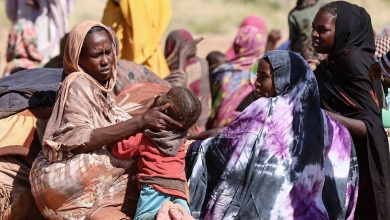
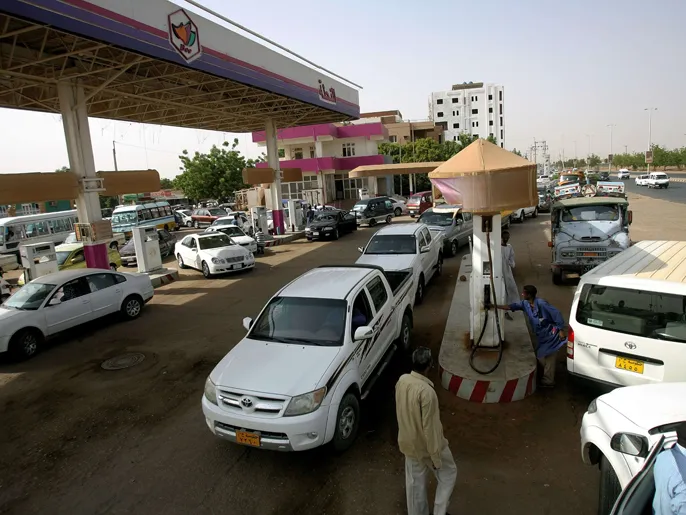
Sudanese citizens in Omdurman, north of the capital Khartoum, told an Al Jazeera Mubasher correspondent outside a fuel station that the increases were severe and had affected nearly everything.
One citizen complained about the sharp rise in prices, while another pointed to the increase in fuel costs, saying it has impacted people’s mobility and the transportation of goods between regions.
He added that people are now suffering due to the high cost of living and called on authorities to ease the burden on citizens.
Difficult Conditions
A vehicle owner described the situation as difficult amid rising fuel prices. He said that filling his vehicle previously cost 22,000 Sudanese pounds (about $36), but has now risen to 33,000 pounds (around $55), affecting both drivers and passengers who pay for transport.
A driver also expressed frustration over rising fuel prices, noting that it has reduced their work opportunities, though they are forced to accept the increases.
The correspondent noted that gasoline is now available in Omdurman, but at high prices. He also highlighted that the cost of consumer goods has risen sharply, worsening living and economic conditions across various states.
Government Measures
Sudan’s Minister of Energy and Petroleum, Al-Mu’tasim Ibrahim, had earlier reassured citizens in a statement to Al Jazeera Net that the impact of the conflict on Sudan remains very limited.
He added that necessary precautions have been taken to address any indirect effects.
Amid the U.S.-Israeli conflict, Iran announced on March 2 restrictions on navigation in the Strait of Hormuz for vessels it described as linked to “enemies,” triggering a global economic ripple effect that has impacted many countries, including Arab states.
Soaring Prices of Goods
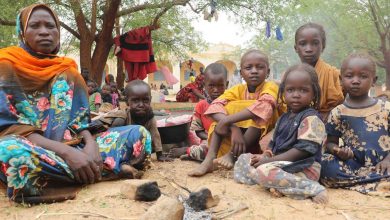
The fuel crisis has also driven food prices to record levels beyond the reach of thousands of Sudanese families.
Halima Al-Sheikh, a resident of Al-Thawrat area in Omdurman, told Mashawir that “most families can no longer afford daily food needs, as prices have increased by more than 300 percent in just one week.”
She added that “living conditions have deteriorated unprecedentedly, with hundreds of families now relying on only one meal per day due to soaring prices and lack of financial savings.”
She further noted that “the government has become unable to address the crises affecting millions of Sudanese citizens.
مقالات ذات صلة