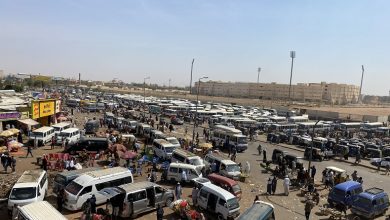
The long line of cars in front of fuel stations in Sudan barely moves, reflecting how a distant regional conflict can quickly spill and turn into a daily cost-of-living crisis for Sudanese citizens.
A report by Al-Tahir Al-Mardi, Al Jazeera’s correspondent in Khartoum, captures one of these queues: a driver exhausted from waiting watches the fuel pump, while worrying about losing a full day of work before it even begins, amid a worsening fuel crisis linked to escalating tensions involving Iran.
Transport sector affected
As the fuel crisis intensifies, the transportation sector has been among the first to suffer. The number of buses on city streets has declined, while congestion on inter-state transport has increased.
The crisis has not been limited to the roads—it has quickly reached ’ pockets, with rising transportation costs and a declining ability to cope with daily expenses.
Prices surge
One resident said diesel prices have seen sharp increases compared to the month of Ramadan, effectively doubling, which has directly impacted transportation fares. He added that continuous price hikes, along with taxes, have made working in the transport sector barely profitable—ultimately affecting
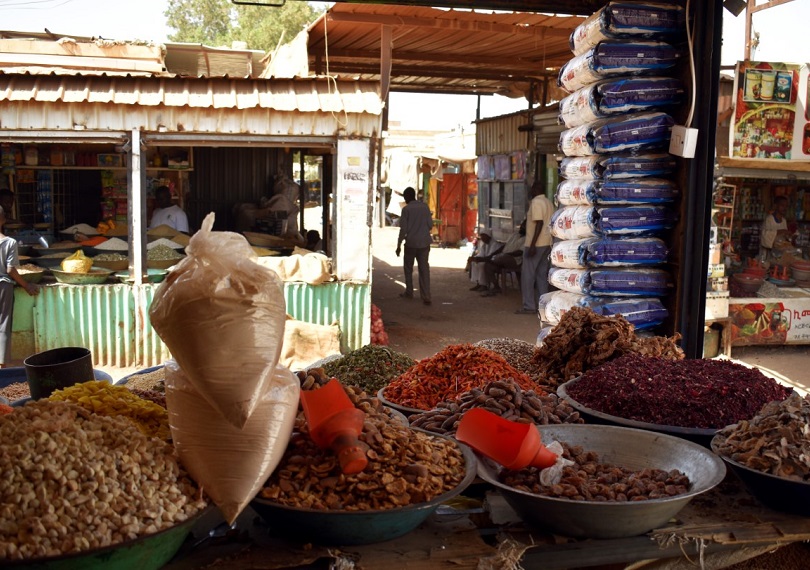
The crisis is not measured only by the number of cars lined up at fuel stations, but also by the number of families forced to pay more to secure basic needs—from bread to sugar. Any increase in fuel prices directly raises transportation and supply chain costs, leading to higher prices of goods in the markets.
External causes
Sudan’s Ministry of Oil stated that the price of a barrel of diesel has tripled—from about $78 to $245—due to the repercussions of the war. This sharp increase highlights Sudan’s vulnerability to global market fluctuations, given its heavy reliance on imports, weak strategic reserves, and the sensitivity of fuel supplies to tensions in the Red Sea, a vital route for fuel imports.
The ministry noted that it can only urge importers to reduce profit margins to ease the burden on citizens. The crisis reflects a recurring pattern: any regional instability quickly transfers its impact into Sudan, transforming from an energy issue into a broader cost-of-living crisis.
Under these conditions, wars are no longer geographically distant—they translate into direct pressure on daily life. Their effects stretch from fuel stations to markets, turning external shocks into constant tests of domestic resilience, and making any external crisis an immediate economic burden.
Previously, Sudan’s Minister of Energy and Oil, Al-Mu’tasim Ibrahim, reassured citizens in a statement to Al Jazeera Net that the impact of the war on Sudan would be very limited, noting that precautions had been taken to address any indirect effects.
Amid the backdrop of the U.S.-Israeli war, Iran announced on March 2 restrictions on navigation in the Strait of Hormuz for vessels it described as linked to “enemies,” triggering a global economic ripple effect that impacted many countries, including Arab states.
مقالات ذات صلة