Eastern Sudan Left Without Electricity After RSF Targets Five Power Stations
Gedaref – Mashawir
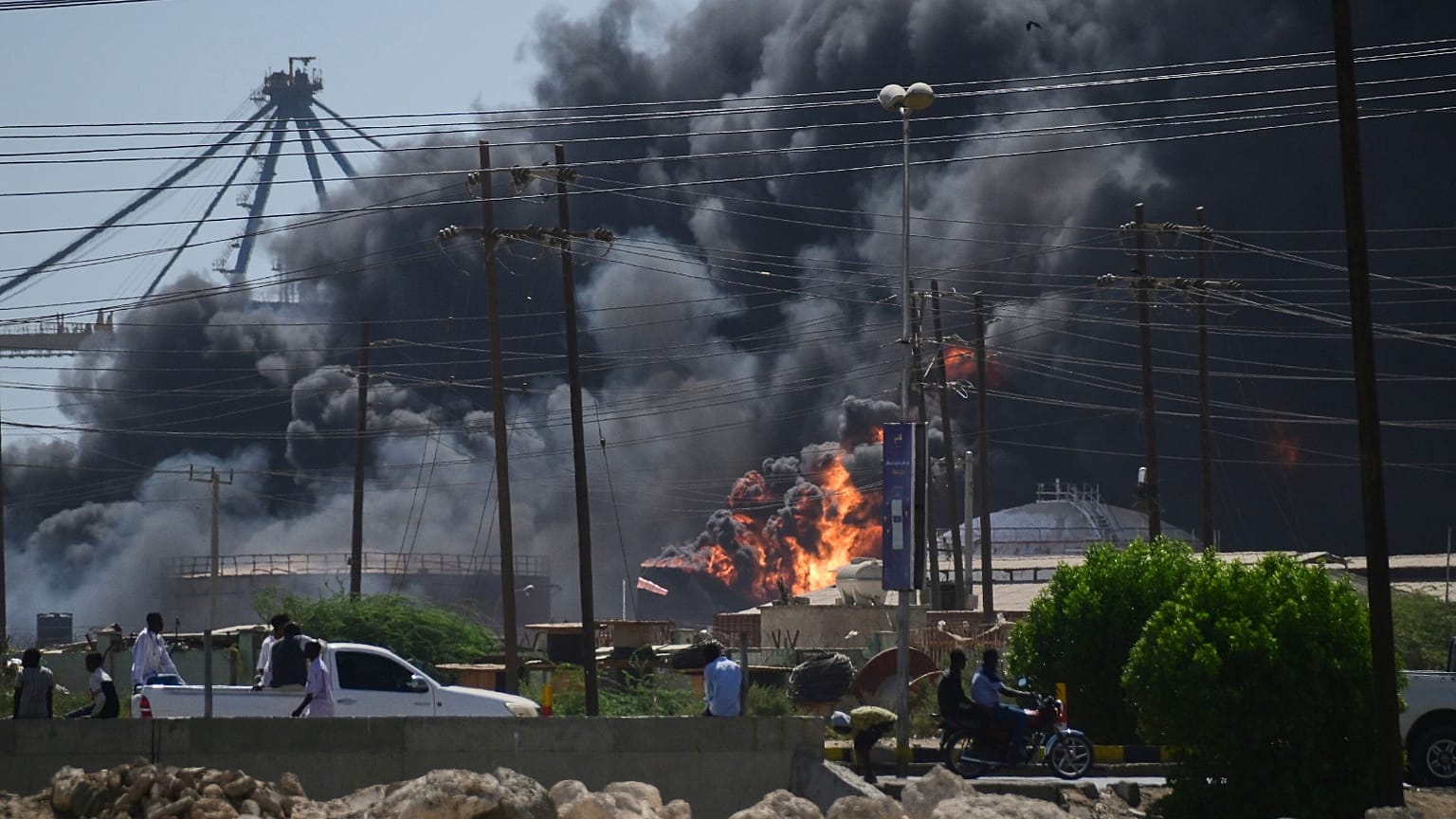
The Rapid Support Forces (RSF) launched a coordinated drone attack on five power stations on Monday, cutting electricity to large areas of eastern Sudan, a government official told Agence France-Presse (AFP).
The official, who requested anonymity, said the drones targeted two stations in Gedaref State, two others in Al Jazirah State, and a fifth station in White Nile State, “causing power outages across large parts of the three states.”
All three states are under the control of the Sudanese Armed Forces, which have been at war with the RSF since April 2023.
The United Nations has repeatedly warned that continued attacks on energy infrastructure threaten access to healthcare and essential services for millions of people, as Sudan faces what has been described as the world’s worst food crisis.
An AFP correspondent in Al Jazirah State reported that electricity had been cut off since 2 a.m.
In Gedaref State, Babiker Youssef, 44, a resident of Al Fao, described a similar situation. “I have a child with diabetes who takes insulin, which must be kept in the refrigerator,” he said.
He explained that if the insulin spoiled, purchasing replacement medication would be difficult given the financial challenges facing farmers this year. “We do not know when the electricity will return,” he added.
Electricity has previously been cut off for several days following RSF drone attacks on power stations and dams, further aggravating conditions for approximately 20 million people facing hunger.
Drones have become the primary weapon used by both warring parties in Sudan, with each side targeting the other’s positions far from the front lines. Such attacks have repeatedly claimed the lives of dozens of civilians.
During just the first three weeks of October, drone strikes killed more than 300 people and injured hundreds more, according to United Nations figures.
The war in Sudan has caused widespread devastation across Africa’s third-largest country and killed more than 200,000 people, according to estimates by humanitarian organisations.