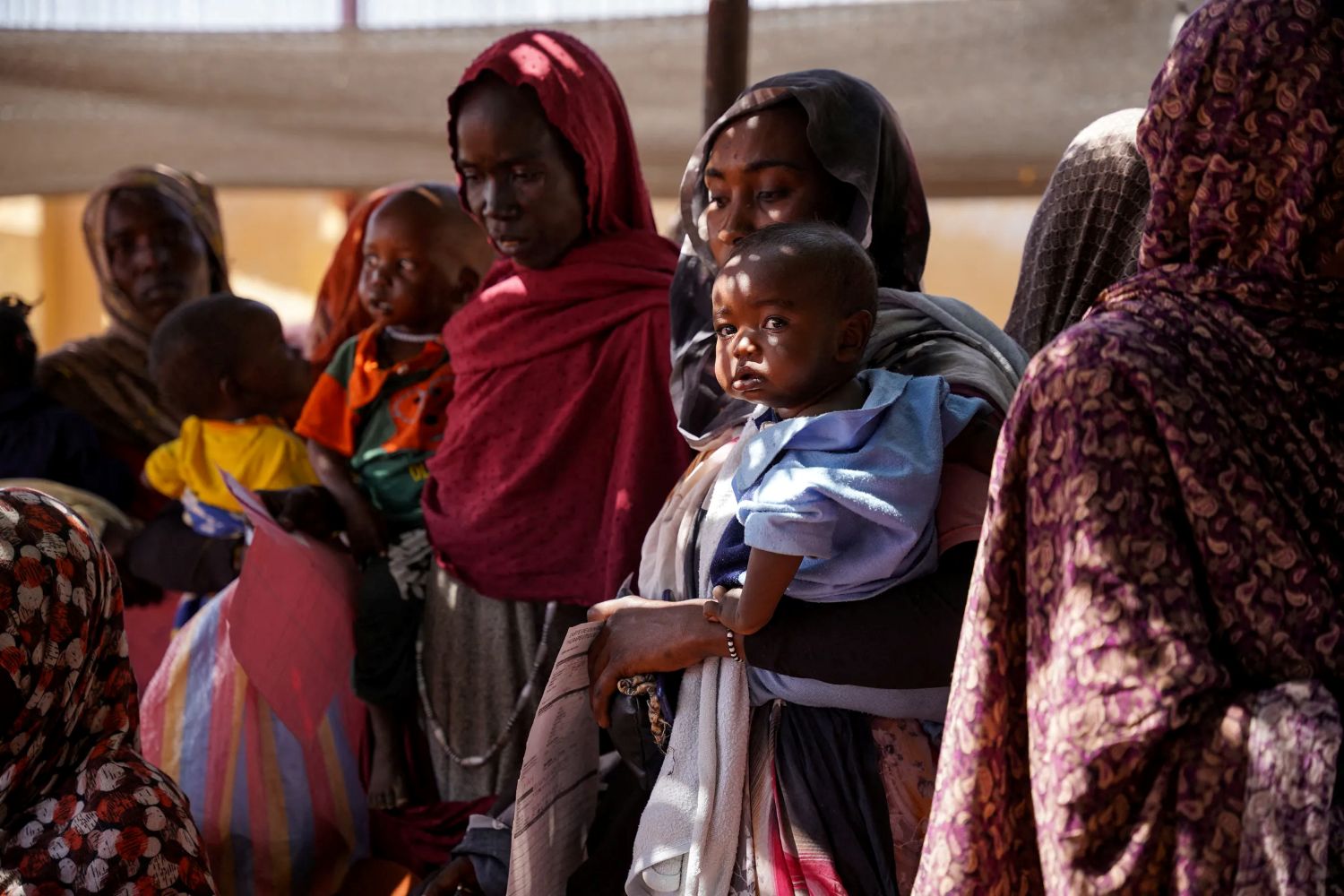
Hundreds of women in cities across Sudan’s various states face life imprisonment or death sentences on charges of collaborating with one of the parties to the armed conflict, which erupted in mid-April 2023. Many of the cases, particularly those involving the Rapid Support Forces (RSF), relate to women who remained in Khartoum, Al Jazirah, Sennar, and the Darfur and Kordofan regions because of economic hardship and security concerns. These circumstances exposed them to multiple forms of abuse. Those affected include human rights defenders, activists, journalists, and women involved in humanitarian work.
Lawyers who have taken up the defence of detained women argue that the war does not target women solely as victims of violence. It also targets their roles in documenting abuses, engaging in civic activities, defending rights, and providing community support. As a result, women’s bodies and voices have become central to the conflict.
Arbitrary Arrests
For more than a year and a half, Khadim Allah, a lawyer, has been held in the women’s prison in Omdurman, where she was sentenced to death on charges of espionage and spying on behalf of the RSF. She endured multiple forms of abuse during the period when the force controlled Bahri, reflecting the suffering of dozens of women who were arrested because they were unable to flee their homes.
Accounts from people close to Khadim Allah indicate that she was arrested in February 2025 in the Al-Mazad neighbourhood of Khartoum Bahri. They maintain that she was wrongfully prosecuted and imprisoned on the basis of unreliable testimony unrelated to the truth. She was initially sentenced to death under provisions relating to collaboration, but following an appeal, the sentence was reduced to life imprisonment.
Residents of Al-Mazad say Khadim Allah worked to support her family and provided assistance to children and older people. The war transformed her into a community activist. When schools closed, she began teaching neighbourhood children in her home. When water supplies were cut off, she helped deliver water from RSF checkpoints to families in need.
Journalists working for Radio Nyala were also arrested. They include Ishraqa Abdelrahman, Zahraa Mohamed Al-Hassan, Mawahib Ibrahim, and Izdihar Abdelmoniem, who have been detained since 28 February 2026 by the RSF while organising a workshop on current affairs.
Circulating reports indicate that the journalists were transferred to Korya Prison in Nyala. Other sources have reported that the detainees were subsequently moved to other locations without formal charges being brought against them.
The arrests of women activists have not been limited to Nyala and Omdurman. In Kauda, South Kordofan State, human rights activist and United Nations employee Najwa Musa has remained in detention since early April 2026. She was arrested by the intelligence service of the Sudan People’s Liberation Movement–North (SPLM-N), led by Abdelaziz al-Hilu. Musa is considered one of the prominent women leaders in the Nuba Mountains.
Human rights defenders have expressed concern over her continued detention, noting that holding a human rights activist and UN employee without legal safeguards raises serious questions about her safety. They say the case reflects growing restrictions on humanitarian workers and human rights defenders in conflict zones.
Justice and Protection
According to human rights researchers, the war has forced many women and girls to remain with their families in areas controlled by the RSF. Staying behind was not a choice but a necessity imposed by poverty, the high cost of displacement, exorbitant rents in safer areas, and the difficult conditions in shelters that lack even the most basic necessities. Consequently, many families have chosen to remain in their homes.
The researchers noted that women living in areas under the control of either the RSF or the Sudanese Armed Forces have been exposed to serious violations. In particular, they face daily risks when going out to secure essential supplies amid complex security threats. This has forced them to deal with the authority and coercive control imposed by armed groups in order to obtain food, medicine, and other necessities.
Hala Al-Karib, Regional Director of the Horn of Africa Initiative, explained that, in the context of Sudan’s war, women have faced criminalisation simply for remaining in their homes when they were unable to leave for personal or practical reasons.
She stressed that protecting women and girls must be among the foremost conditions for achieving peace, justice, and security.
Al-Karib added that accusations against women of collaborating with one of the parties to the conflict reflect the difficult choices civilians have been forced to make while living in areas controlled by the warring parties.
The regional director emphasised that women should not be treated as collaborators simply because they secure household necessities or participate in community support activities. Such actions should not warrant life imprisonment unless there is evidence establishing criminal intent or financial compensation for the alleged collaboration.
Severe Consequences
Similarly, Dirar Adam, Executive Director of the Human Rights Network, said civilians who chose to remain in areas controlled by the RSF during the war had faced severe consequences, including killings, being dragged through the streets, and various forms of inhumane treatment.
Adam added that the RSF had restricted the activities of civil society, particularly organisations and initiatives led by women. He said women had been pressured to affiliate themselves with the force and were otherwise prevented from working or meeting their basic needs.
“Since the outbreak of the armed conflict, activists—including lawyers, human rights defenders, journalists, and people involved in community work—have faced arrest,” he said.
He cited the case of the female journalists arrested following a workshop in Nyala. They were accused of espionage and working on behalf of the Sudanese Armed Forces, allegations he described as unreliable and unrelated to the truth.
The Executive Director of the Human Rights Network also expressed concern that some female detainees were being held in underground pits in Kauda, while others were detained in private homes and prisons in Nyala. He said the detainees had been subjected to extremely serious violations, including some involving underage girls.
Calls for a Review
Meanwhile, Salima Ishaq, Sudan’s Minister of State for Human Resources and Social Affairs, said the charges of collaboration brought against several detained women required clarification because they lacked clearly defined criteria and were therefore open to interpretation, particularly under the exceptional circumstances facing the country.
Ishaq explained that Sovereignty Council President Abdel Fattah al-Burhan had directed a review of the legal status of detained women in preparation for the release of some of them.
She said it was therefore essential to reconsider the issue of collaboration within the context of the war, particularly because some women might find themselves compelled to deal with armed groups to save their families. Their responsibilities towards their children and relatives must also be taken into account.
She continued that the central problem lay in the absence of a clear definition of the offence of collaboration. Some people had neither the ability nor the freedom to refuse or accept demands made of them in areas controlled by the RSF.
She also noted that some complaints might be maliciously motivated or stem from disputes within local communities, making it necessary to scrutinise such accusations more carefully.
Ishaq stressed the need for continued advocacy and pressure to secure a review of the circumstances of detained women.
She said her visits to Omdurman Prison had revealed an urgent need for healthcare services, including dental clinics and medical screening facilities. Some inmates were pregnant, while others were suffering from malaria. However, the prison faced serious infrastructure problems, including inadequate sanitation, ageing buildings, and overcrowding.
The Minister of State for Human Resources and Social Affairs added that legal provisions allowing alternatives to imprisonment needed to be implemented for pregnant women, mothers with children, and those convicted of minor offences.
She emphasised that accusations of collaboration with either side of the war must be examined from a different perspective given the ongoing conflict. The presence of armed groups severely limits civilians’ ability to refuse demands, and women may be forced to comply in order to protect themselves, their children, and their families.