Sudanese Women Behind the Bars of Both Warring Parties… Calls for Protection and the Release of Female Detainees
Mashawir – Report: Minhaj Hamdi
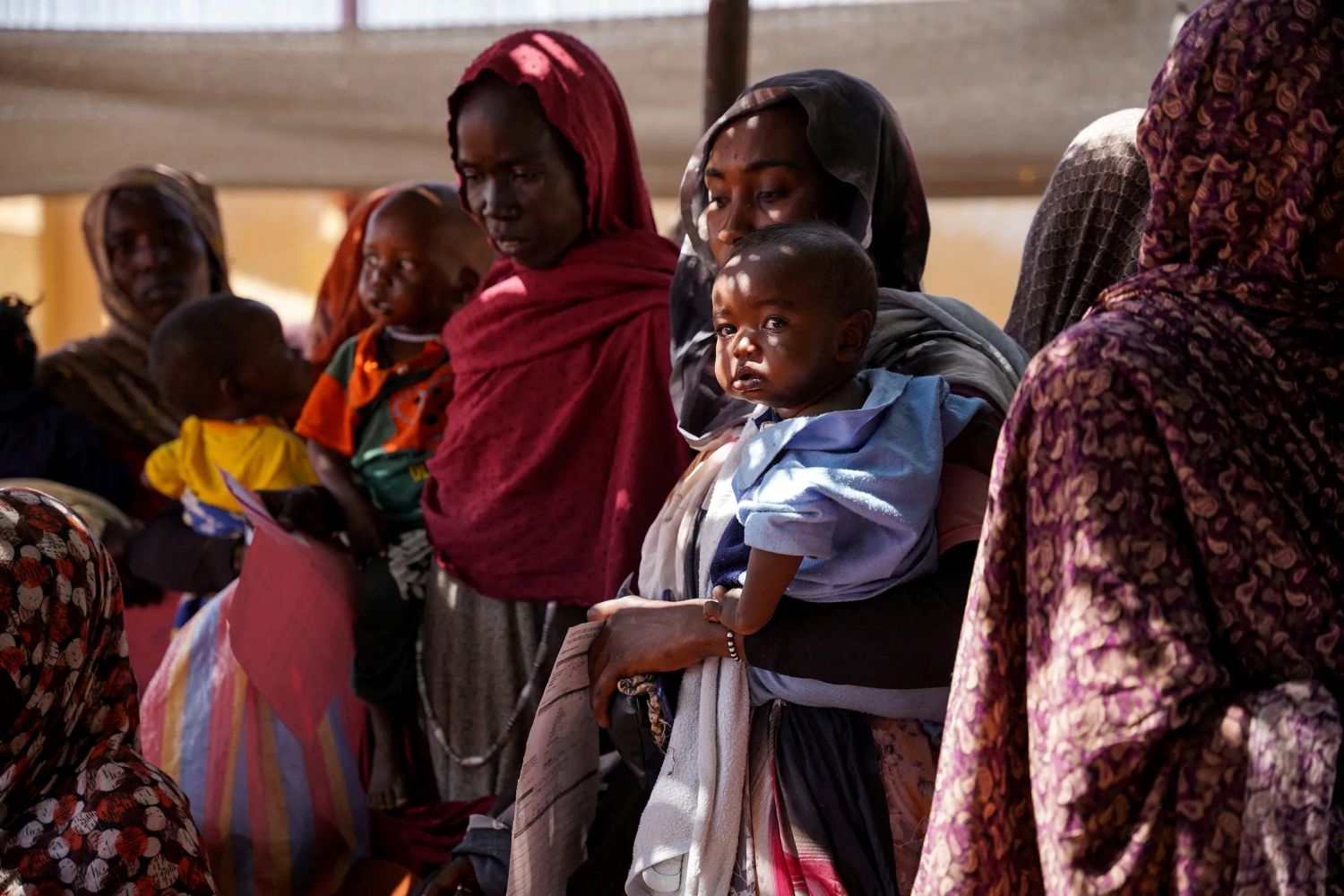
Thousands of Sudanese women remain imprisoned in jails run by both parties to the war—the Sudanese army and the Rapid Support Forces (RSF)—in various cities and regions across the country. Some have been sentenced to life imprisonment or death on charges of collaborating with one of the parties to the armed conflict while they were living in Khartoum, Al Jazirah, Sennar, and the Darfur and Kordofan regions. Economic and security conditions have exposed them to multiple forms of violations.
According to human rights activists, the war has forced many women and girls to remain with their families in areas controlled by the RSF. This was not a choice but a necessity imposed by poverty, the high cost of displacement, and exorbitant rents in safer areas.
Detention and Violations
Meanwhile, Sudanese women’s and human rights groups on Wednesday issued calls for the protection of women from war-related violations, accountability for perpetrators of sexual and physical violence, and the release of female detainees held in prisons and detention centres run by both parties to the conflict. The calls coincided with the launch of the 16 Days of Activism Against Gender-Based Violence campaign.
The 16 Days of Activism Against Gender-Based Violence campaign is held annually alongside the International Day for the Elimination of Violence against Women, running from 25 November to 10 December. It aims to highlight the forms of violence experienced by women and girls and strengthen efforts to address them.
The Sudanese Women’s Network announced the launch of its “Where Is Their Dignity?” campaign, seeking to pressure the authorities for the immediate and unconditional release of women arbitrarily arrested and detained in areas controlled by the army and the RSF. The network noted that women have been subjected to multiple violations during the ongoing war.
In a statement marking the campaign, which runs from 25 November to 10 December, the network said women had paid a heavy price for the war through forced displacement, internal displacement and seeking refuge abroad, in addition to violations that have affected their lives and dignity.
It referred to human rights and UN reports, including those issued by the United Nations Independent International Fact-Finding Mission for Sudan and the International Service for Human Rights, as well as local human rights monitoring. These reports documented arbitrary arrests of women in areas under army control, including the cities of El Obeid and Port Sudan and River Nile State.
The network added that “some female detainees have faced trials on charges of collaborating with the RSF or undermining the constitutional order, based on the contents of their mobile phones, suspicions, and confessions extracted under coercion.” It noted that some sentences carry the death penalty.
By contrast, the network reported that women have also been detained in RSF-controlled areas in unofficial detention centres under conditions it described as inhumane, while being denied contact with their families and access to legal protection.
It stressed the need to raise legal awareness among victims and survivors and guarantee their rights to reparations and accountability for the violations committed against them.
The network called on women’s organisations, civil society groups, youth groups and political parties to stand in solidarity with the campaign and sign a legal memorandum addressed to the international envoy for Sudan, Pekka Haavisto, urging pressure on both parties to the conflict to secure the release of female detainees.
Escalating Forms of Violence
For its part, the Sudanese Group for Victims of Torture said the war had led to an escalation in forms of violence and violations targeting women and girls, including killings, physical assaults, rape, sexual violence, abduction, forced detention and threats, alongside displacement, the loss of family members and deprivation of essential services.
In a statement marking the 16 Days campaign, the group emphasised that the effects of violence are not limited to physical injuries but also extend to psychological and social trauma. It called for medical and psychological treatment, reproductive healthcare, and legal and economic support for survivors.
The group also stressed the importance of protecting victims’ privacy, combating social stigma, and documenting violations professionally in ways that preserve evidence and the dignity of those affected. It further called for employment and training opportunities and the reintegration of survivors into society.
Meanwhile, the “Women Against Injustice” campaign said violence against women in Sudan had gone beyond individual violations to become a weapon of war used to destroy families and communities.
In a statement, the campaign stressed that achieving peace requires ending sexual and gender-based violence, holding perpetrators accountable, and providing survivors with protection and psychological, health and legal support. It also emphasised the need to ensure women’s meaningful participation in peace processes and transitional justice.
The campaign reaffirmed its commitment to UN Security Council Resolution 1325 on Women, Peace and Security, and called for an end to the war and the achievement of transitional justice, including truth-seeking, reparations and guarantees of non-recurrence.
Grave Injustice
In a related account, Nadia Khalid, a teacher, said she had been sentenced to death and imprisoned in Port Sudan on allegations of espionage and spying for the RSF. Her experience reflects the suffering of dozens of women who were arrested because they had been unable to flee their homes.
Speaking to the Mashawir platform, she said she had been subjected to a grave injustice and taken to prison on the basis of unreliable testimony that had no connection to the truth. She was sentenced to death under charges related to collaboration before appealing the ruling, which was subsequently reduced to life imprisonment.
Journalists working for Nyala Radio were also among those arrested. They include Ishraqa Abdelrahman, Zahraa Mohamed Al-Hassan, Mawahib Ibrahim and Izdihar Abdelmoniem, who have been detained since 28 February by RSF forces while organising a workshop addressing current affairs.
The arrests of women have not been limited to activists in Nyala and Omdurman. In the city of Kauda in South Kordofan State, human rights activist and UN employee Najwa Musa has remained in detention since early April, held by the intelligence service of the Sudan People’s Liberation Movement-North, led by Abdelaziz Al-Hilu. Musa is regarded as one of the prominent women’s leaders in the Nuba Mountains.
Human rights advocates have expressed concern over her continued detention, saying that holding a human rights activist and UN employee outside legal safeguards raises serious concerns about her safety and reflects growing restrictions on humanitarian workers and human rights defenders in conflict areas.
Criminalisation
For her part, Hala Al-Karib, Regional Director of the Horn of Africa Initiative, explained that “in the context of the war in Sudan, women have faced criminalisation simply for remaining in their homes, which they were unable to leave for personal reasons. Protecting women and girls must be among the foremost conditions for achieving peace, justice and security.”
Al-Karib noted that “the sentences imposed on women on allegations of collaborating with one of the parties to the conflict reflect the difficult choices civilians were forced to make while living in areas controlled by the warring parties.”
The Regional Director of the Horn of Africa Initiative further explained that “women should not be treated as collaborators for securing household necessities or engaging in activities that fall within the scope of community support, and then face life imprisonment, unless there is evidence establishing criminal intent or financial compensation.”