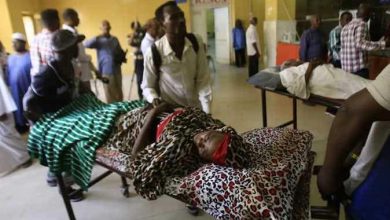
Residents of Sudan’s North Darfur State are facing catastrophic conditions as a result of deteriorating security and living conditions, food insecurity, drought and low rainfall. Several villages and small settlements have become frontline areas for clashes and reciprocal military attacks between the Sudanese Armed Forces and their allied forces on one side and the Rapid Support Forces (RSF) on the other, including reciprocal airstrikes.
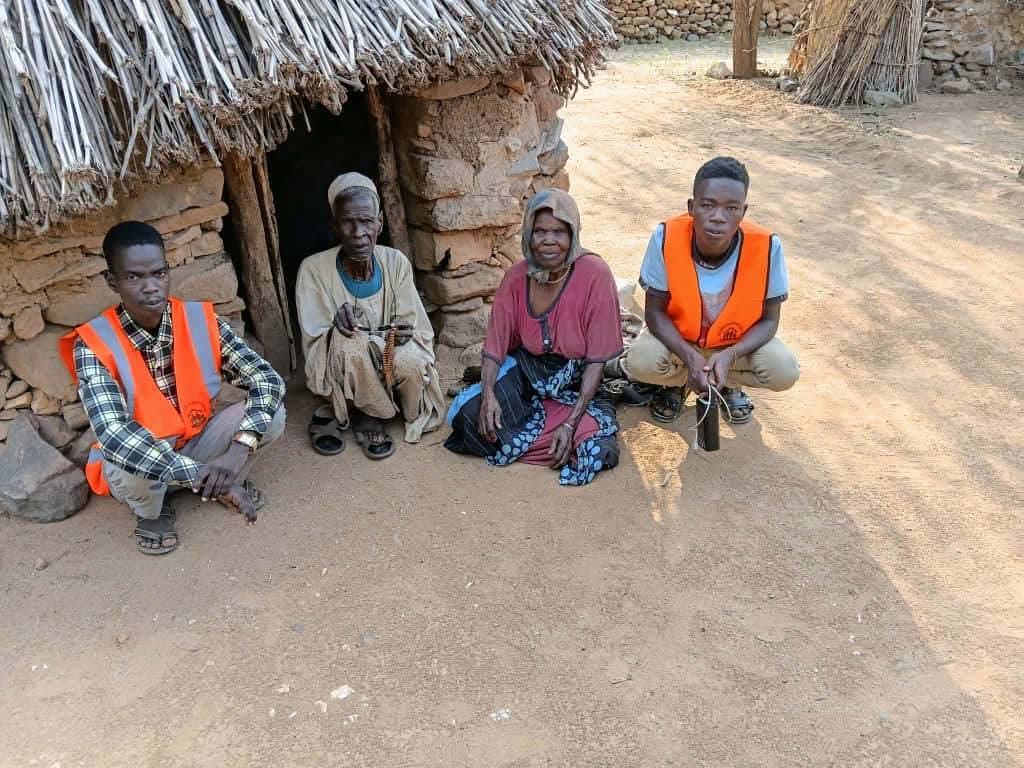
As a result, thousands of families have been displaced from the localities of Kutum, Arkoori, Ambro, Kulbus and Kernoi due to worsening humanitarian and security conditions and attacks targeting civilians. Those fleeing the fighting have headed to Tawila locality within the same state, while others have crossed the border into Chad. Some have sought refuge in exposed, open areas, where they lack even the most basic necessities for a dignified life.
Between 28 September and 3 October, the town of Tawila received 260 families comprising 1,394 people. This brought the total number of displaced people arriving in the area since the beginning of September to 1,169 families, comprising 6,191 people.
According to the United Nations High Commissioner for Refugees (UNHCR), more than 55,000 people have fled to neighbouring Chad since the beginning of this year. Arrivals accelerated sharply last week, with more than 400 people crossing the border each day through Adré and Tina in eastern Chad.
Harsh Conditions
Hamed Al-Safi, who was displaced from Kernoi locality, said that displaced people fleeing the localities of Kutum, Arkoori, Ambro and Kulbus, as well as the areas of Waad Al-Khair, Maski, Luka and Daring, were enduring extremely difficult days amid harsh humanitarian conditions caused by deteriorating security and escalating attacks targeting civilians, including drone strikes.
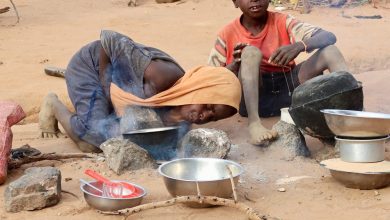
He added that thousands of people fleeing security-related attacks had been forced to live in the open and under trees following waves of violence that had recently targeted at least 10 towns.
Al-Safi described the humanitarian situation as catastrophic, explaining that food supplies had run out in markets across neighbouring villages. He said commodity prices had soared to unprecedented levels, reflecting blatant exploitation of civilians, despite the fact that most displaced people had no money and were gripped by hunger.
Ongoing Crises
Meanwhile, displaced resident Amir Haroun described the humanitarian, security and health situation in displacement gathering areas across North Darfur as extremely complex, citing the absence of aid, a drinking water crisis and a deepening humanitarian catastrophe characterised by severe shortages of food and medical care.
He noted that conditions inside displacement camps had become conducive to the spread of numerous diseases amid severe shortages of food and medicine. He appealed to international organisations to pay urgent attention to the tragedy threatening thousands of people with death unless collective efforts were intensified to deliver humanitarian assistance.
Haroun also pointed out that some displaced families were sleeping on the bare ground because shelter facilities were unavailable. He warned that any new wave of displacement would affect every aspect of life, driving up commodity and accommodation prices while further undermining access to healthcare and medicines.
Emergency Response Needed
In a related development, Al-Sadiq Suleiman, a volunteer working at displacement shelters, said the humanitarian situation required a major emergency response to prevent the escalating crisis in areas hosting people fleeing the fighting from deteriorating further. He added that international organisations needed to adopt flexible approaches to ensure they could deliver whatever assistance was possible under the circumstances.
He noted that finding safe refuge in Kernoi and Ambro localities had become increasingly difficult, with people having little choice but to reach Tawila or camps in Chad. Such journeys are costly and require substantial financial resources from those fleeing the attacks. He said the authorities should prepare and equip shelters with sanitation facilities and ensure that they meet environmental health standards.
Suleiman warned that conditions for displaced people in Tawila, already overcrowded with hundreds of thousands of people, could deteriorate further amid the lack of aid and shortages of food, healthcare, drinking water and other essential services.
“Although the figures remain unstable, the number of displaced people is still high and continues to rise with every passing moment,” he said.
He added that displacement itself presented serious challenges, particularly for families travelling with children and older people who lacked the resources needed to flee. Such families often ended up in areas where conditions were even harsher and more difficult than those they had escaped.
Suleiman called for the preparation of adequate and dignified shelters, particularly as the growing number of displaced people had begun to exceed the available accommodation capacity.
Deteriorating Conditions
For his part, Faisal Babiker, a member of the Kernoi Emergency Response Room, said most displaced people were living in increasingly desperate humanitarian conditions that exceeded the capacity of local authorities to respond to growing needs. He cited acute shortages of food, water, healthcare and shelter, as well as the shutdown of most water sources in the locality.
He added that displacement had deprived residents of their agricultural tools, further intensifying population movements. Families had been forced to consume their livelihood assets, including livestock, before leaving rural areas for Tawila. Others had sought refuge in informal settlements without access to water or sanitation.
Babiker explained that continued fighting between the Sudanese Armed Forces and their allies and the RSF in North Darfur, together with the transformation of several villages and small settlements into frontline areas, could accelerate the humanitarian collapse. He warned that the conflict was undermining food security and opening a new front of suffering that could overwhelm available relief capacities.
He also pointed to disrupted supplies, repeated market closures and a deepening food and livelihood crisis caused by the failure of the agricultural season and a dramatic rise in staple grain prices to more than three times their previous levels. Fuel shortages and transport difficulties were further compounding the crisis.
Mounting Pressure
The General Coordination of Displaced Persons and Refugees in Darfur reported that Tawila, in North Darfur State, had received a new wave of displaced people in recent days amid worsening security conditions and a lack of food.
In a statement, the Coordination confirmed that 260 families, comprising 1,394 people, had arrived in Tawila between 28 September and 3 October. This brought the total number of arrivals since the beginning of September to 1,169 families, comprising 6,191 people.
It noted that most of the new arrivals were women, children and older people who had reached the area in extremely difficult humanitarian conditions resulting from deteriorating security and living conditions, food insecurity, drought and low rainfall.
The Coordination said Tawila had become a relatively safe destination for people fleeing the conflict, placing increasing pressure on the resources and services available to both displaced people and the host community. It warned that continued arrivals amid insufficient humanitarian assistance could lead to worsening malnutrition and the spread of disease.
The Coordination called on humanitarian organisations and international agencies to intervene urgently to provide food, medicine, drinking water, shelter and healthcare.
Displacement and Overcrowding
Tawila lies west of El Fasher, the capital of North Darfur, and is under the control of the Sudan Liberation Movement led by Abdelwahid Mohamed al-Nur. Since the outbreak of war between the Sudanese Armed Forces and the RSF in April 2023, the town has become a refuge for tens of thousands of people fleeing fighting in El Fasher and its surrounding areas.
Alongside the daily movement of displaced people across North Darfur towards Tawila, which is overcrowded with more than one million displaced people, the International Organization for Migration’s Displacement Tracking Matrix reported that its field teams had recorded the displacement of an additional 765 people from the villages of Wadi Arkoori and Umm Maharik in Ambro locality, North Darfur, following a deterioration in security conditions.
The Displacement Tracking Matrix said most of the affected families had crossed the border into Chad. Its field teams continue to monitor developments, as the situation in the area remains tense and highly volatile.