Sudan’s agricultural sector is facing a complex crisis driven by the expanding war and declining Nile water levels, which are affecting agricultural fields and farms and threatening irrigation and harvesting seasons.
Ongoing fighting has forced large areas of farmland out of production, displaced farmers, disrupted supply routes, and increased the costs and difficulties associated with agricultural activities.
These simultaneous developments are placing millions of Sudanese at risk of a serious food security crisis, as sources of livelihood continue to decline amid widespread destruction and displacement across the country.
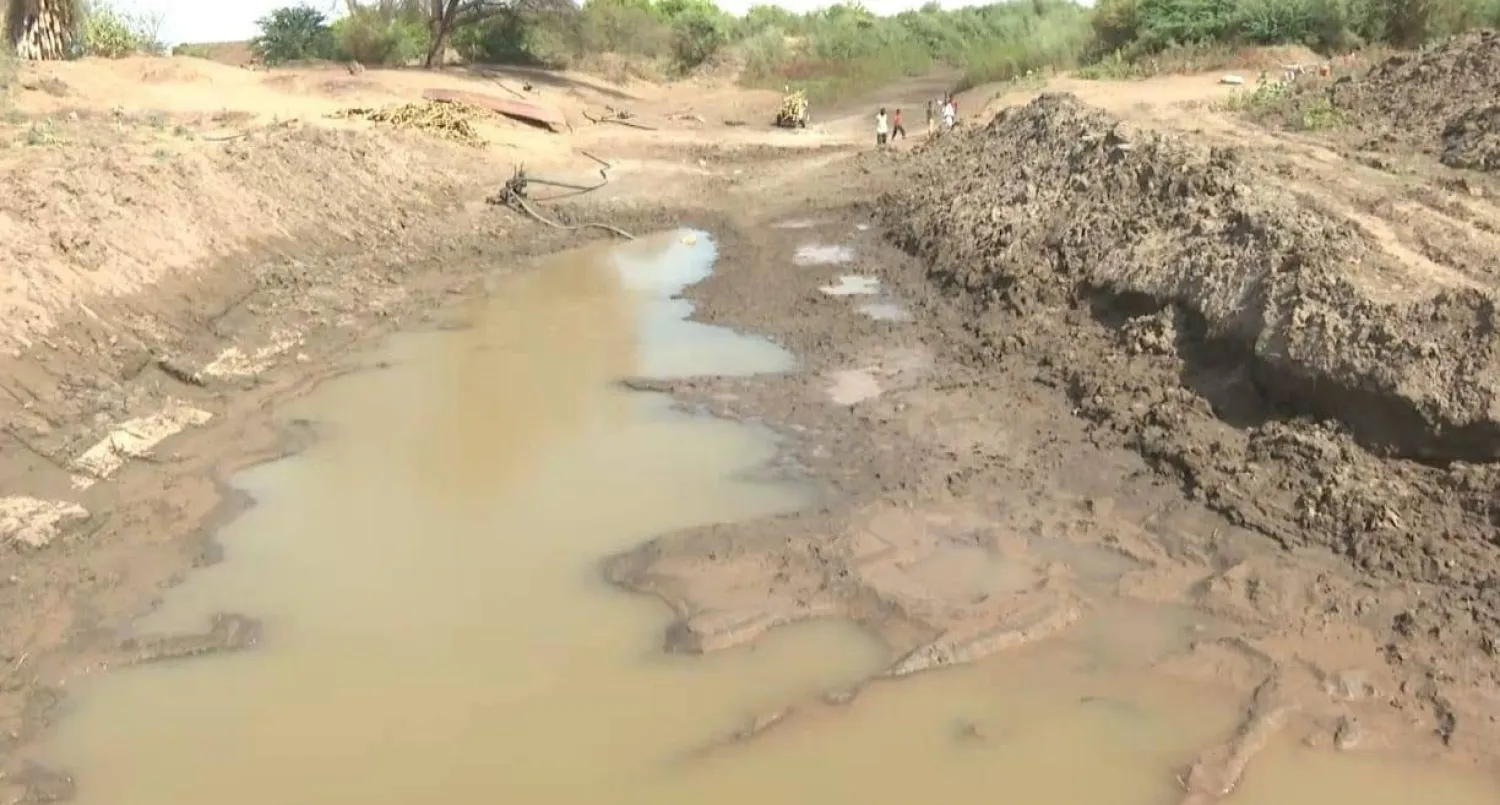
In this context, the Local Resistance Committees in Dongola have warned that the winter agricultural season in the Northern State could suffer severe losses due to declining Nile water flows, which have reached levels that are disrupting the operation of irrigation systems, causing wells to dry up, and damaging orchards and agricultural crops.
In a statement, the committees said that declining Nile water levels and the expansion of sand islands pose a serious threat to agricultural production during the winter season, on which most residents depend for cultivating wheat and vegetables.
They warned that continued water shortages could deprive hundreds of families of their sources of income and threaten food supplies across the region.