With a new increase of 16.1% taking effect, the indicative customs exchange rate has risen from SDG 5,631 to SDG 6,539, marking the sixth upward adjustment since the beginning of the year.
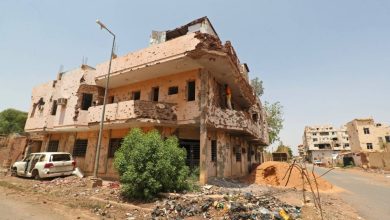
Economic analyst Al-Sir Suleiman said the latest increase in the customs dollar cannot be viewed in isolation from the country’s financial and monetary situation, particularly amid declining public revenues, shrinking economic activity and mounting budgetary pressures resulting from the ongoing war.
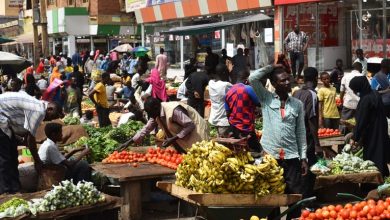
He pointed out that weakening purchasing power could lead to reduced demand for certain goods, prompting consumers to turn to cheaper alternatives. Small businesses may also be forced to cut production when the cost of their inputs exceeds their financing and marketing capacity.
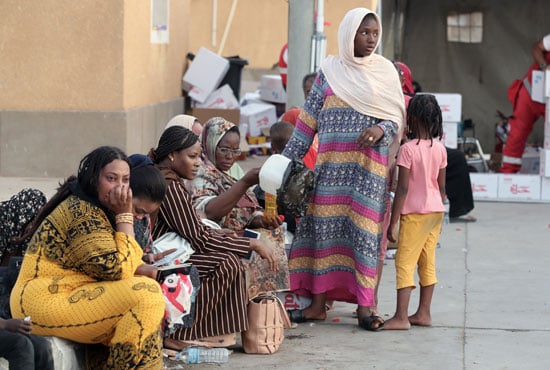
He added: “The fundamental problem is that rising prices are occurring in an environment where income levels are not improving correspondingly. This leads to a decline in purchasing power and widens the gap between the cost of basic necessities and the financial resources available to households.
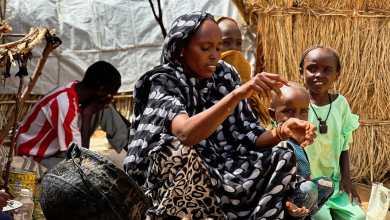
“Citizens do not experience each price increase in isolation. Instead, they face multiple simultaneous financial burdens involving food, medicine, transportation, housing and education. Consequently, many families are forced to reassess their spending priorities and give up certain non-essential needs.”