The World Bank has linked the resumption of its suspended programs in Sudan to an assessment of the country’s private sector and banking sector conditions.
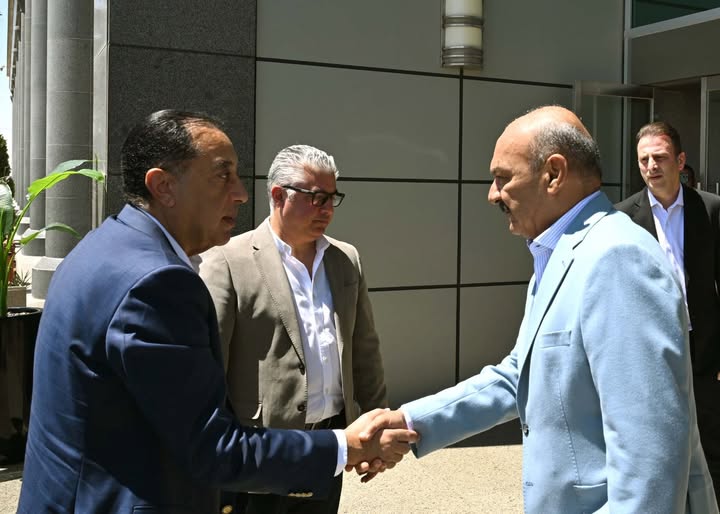
A meeting was held in Washington during the Spring Meetings of the World Bank and the International Monetary Fund, bringing together a Sudanese Ministry of Finance delegation led by State Minister Mohamed Nour Abdeldaim, Central Bank Governor Amina Mirghani, and World Bank experts specializing in financial sector development and private sector growth.
The Sudanese State Minister of Finance explained that the ministry has initiated multiple reform programs in public financial management, including enhancing transparency and governance, advancing digital transformation, and implementing reforms in public sector institutions in line with the principles of the Organisation for Economic Co-operation and Development (OECD).
For their part, World Bank officials confirmed that work is ongoing to assess the economic and social impact of the post-war period using satellite data and phone-based household surveys. These assessments aim to cover key sectors such as agriculture, transport, human capital, and displacement.
They also indicated their readiness to provide a backup to the Ministry of Finance and the Central Bank, along with organizing training programs for new staff.