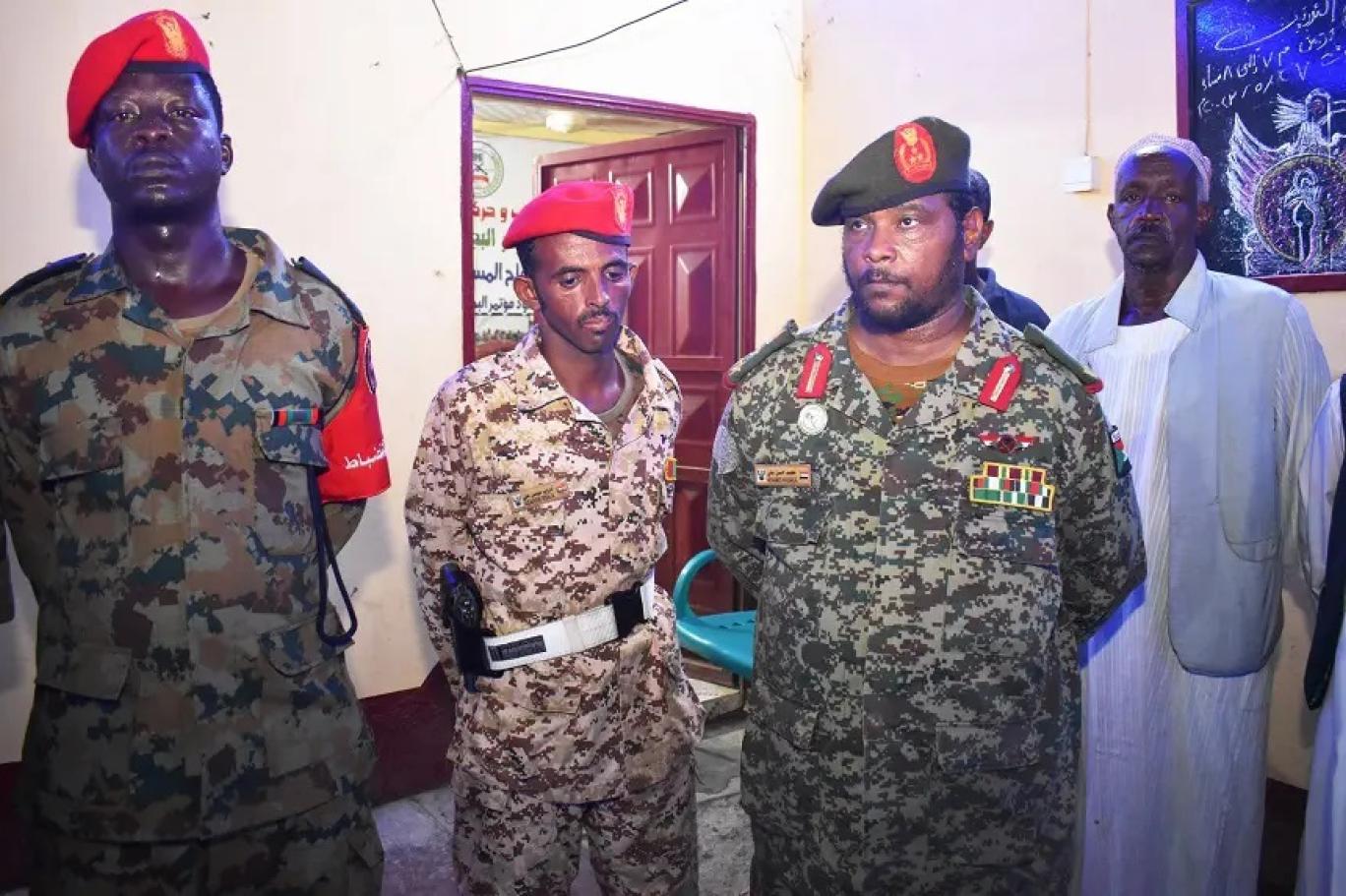
Fears are mounting over the potential outbreak of armed conflict in eastern Sudan, particularly amid rising tribal mobilization, the proliferation of armed groups in the region, worsening crises, and the absence of sustainable development.
Despite the relative geographical distance of eastern Sudanese states from the main centers of military confrontation, the region is experiencing a state of latent tension. This situation intersects with international competition over the Red Sea—its ports and vital trade routes—alongside recurring ethnic and tribal conflicts, longstanding political marginalization, and intense rivalry over regional representation.
Ongoing Suffering
In this context, political and social researcher Al-Taj Mirghani told Mashawir that “with the outbreak of the war, Port Sudan—the capital of eastern Sudan—has become the alternative seat of power. Despite this formal shift, the core suffering in the region has not changed; rather, challenges have intensified. Prices of goods and services have risen sharply, the number of displaced people fleeing conflict zones has increased, and state institutions and facilities have become overcrowded, resting on fragile infrastructure unable to absorb this sudden pressure.”
He added, “Local residents have found themselves sidelined within temporary governance arrangements that do not reflect their aspirations or respond to their development priorities.”
Mirghani further noted that the war has exposed additional layers of institutional fragility in the east and deepened feelings of historical marginalization.
Risks and Threats
Meanwhile, community activist Badr El-Din Salem stated that “the availability of weapons in eastern Sudan has become a growing threat that goes beyond local security to levels that endanger regional stability.”
He pointed out that “the east, which for decades has maintained cultural traditions linked to the possession of traditional weapons, has now become an open arena for the spread of modern arms. This is the result of complex dynamics reflecting state fragility and the intensifying political and military conflict in Sudan.”
He added that the ownership and use of traditional weapons—such as swords, daggers, knives, spears, and ‘shotals’—are deeply rooted in the cultural heritage of the region, embedded in folklore, poetry, dance, oral traditions, and traditional crafts.
A Strategic Corridor
For his part, political researcher Al-Sadiq Hassan explained that “as the war escalated in Khartoum, Darfur, and Wad Madani, eastern Sudan has turned into a strategic corridor for arms trafficking—whether from abroad via the Red Sea or internally through smuggling networks extending from conflict zones, particularly Darfur and Blue Nile.”
He added, “Instead of serving as a buffer against crises, the region has effectively become a stockpile for weapons, where smuggled shipments accumulate, placing it on the brink of ignition.”
He further noted that “this reality has been reinforced by organized arming programs under labels such as ‘popular resistance,’ contributing to the militarization of public space and transforming weapons into tools of local dominance. The absence of the state along border areas—especially with Eritrea—has also facilitated the expansion of organized crime networks and armed groups, which are increasingly investing in a war economy amid a volatile environment marked by weakened rule of law, scarce resources, and administrative breakdown. In such a setting, weapons are no longer merely tools of defense but symbols of power and sources of influence, particularly in the context of escalating tribal conflicts.”