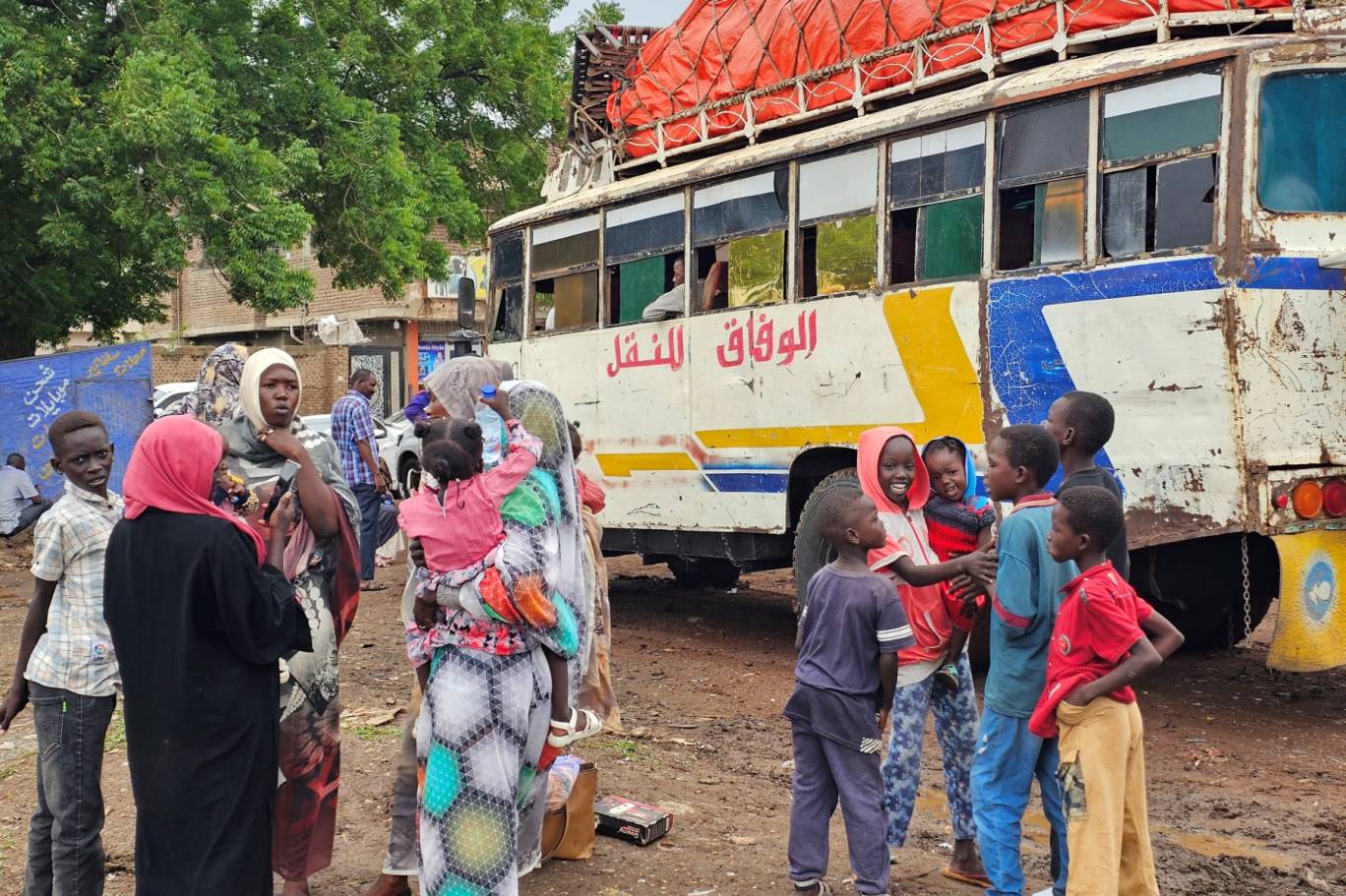
Over the past year, since the Sudanese army regained control of the capital, Khartoum, from the Rapid Support Forces (RSF), which seized it at the start of the civil war in 2023, more than two million of the five million residents who fled the city have returned.
However, despite government promises of a swift return to normal life following its military victory, power outages remain widespread, many buildings are still damaged, and numerous public employees have not received their salaries. Some returnees say they came back only because Sudan became their last refuge after a crackdown on refugees in Egypt.
The government, which relocated its ministries and administrative offices to the coastal city of Port Sudan, has instructed civil servants to resume work in Khartoum. It has also ordered students—who had been studying online and taking exams in temporary centers in other cities or abroad—to return to classrooms.
Multiple Challenges
Nasreen, who fled to Egypt with her family, decided to return after Egyptian authorities launched a campaign targeting refugees earlier this year.
> “We left Sudan because of the lack of security,” she said.
When her family heard that conditions in Sudan were improving, they decided to return. She also resumed her teaching job, but like many government employees, she has yet to receive even her modest salary.
Limited Signs of Recovery
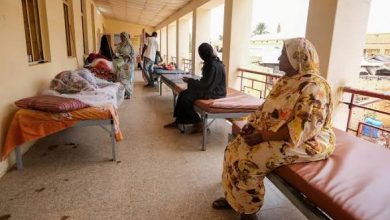
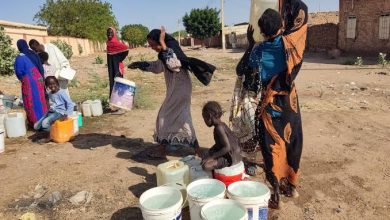
So far, signs of recovery have been concentrated in Omdurman, across the White Nile from Khartoum, where the army maintained partial control throughout the conflict. Khartoum itself and neighboring Bahri remain largely without electricity and other essential services.
RSF forces have continued to target power stations and military facilities around Khartoum with drone strikes, further delaying recovery efforts.
Al-Tayeb Saadeldin, Director General of the Ministry of Culture, Information and Tourism in Khartoum State and spokesperson for the state government, said the attacks have reduced the capital’s electricity generation to only one-third of its pre-war capacity.
> “People forget that two-thirds of the electricity infrastructure may be out of service. We are currently operating with the remaining third and distributing it as best we can, providing people with at least eight to ten hours of electricity per day.”
Universities Still Damaged
The University of Khartoum, located in one of the city’s hardest-hit areas, has instructed students to return for examinations and classes. However, students found that laboratories, lecture halls, and student accommodation remain heavily damaged by the war.
Student Miqdad Kamal said:
> “The university environment itself is not encouraging. Lecture halls need repairs, facilities need maintenance… We need work both inside the city and inside the university.”
University officials say rehabilitation work is underway in preparation for the new academic semester later this year.
Small Businesses Face Difficulties
Small business owners have also come under pressure to reopen their shops, particularly in the bustling Arab Market in central Khartoum, which became a battlefield littered with landmines during the RSF’s withdrawal.
Authorities have resumed collecting taxes and other fees, but many business owners complain that they still lack basic services such as electricity.
Mohamed Abdelbasit, who owns a printing shop, said business owners need tax relief and deferred financial obligations to encourage them to return.
> “Right now, there is no income to cover the cost of living.”
Saadeldin said the state government is granting payment deferrals where needed but is itself suffering from a severe shortage of resources and requires revenue to maintain essential services such as security, sanitation, and sewage systems.
He explained:
> “Fees for 2026 are payable, but there is no harsh enforcement. People’s circumstances are being taken into account. Payments can be made in installments or deferred because, in the end, we also need resources to provide sanitation, sewage services, and public protection.”