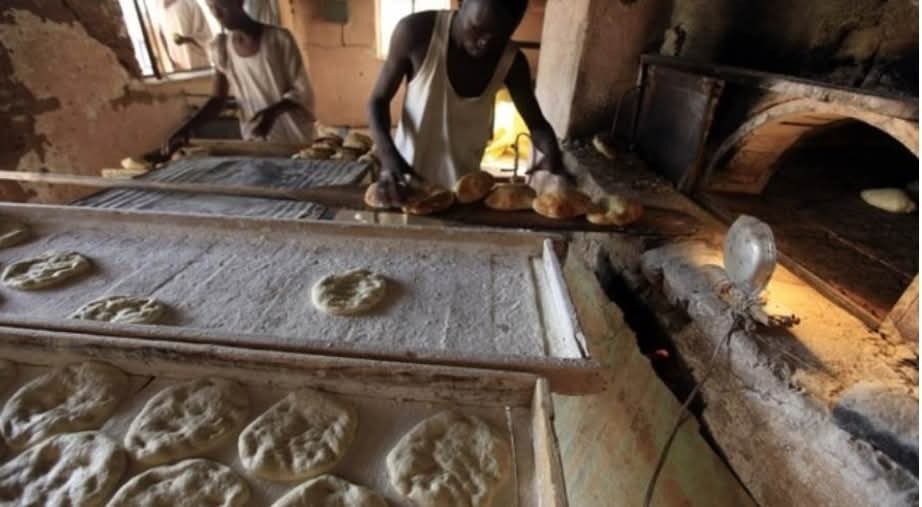
The bread crisis in Port Sudan, eastern Sudan, is worsening amid successive increases in production costs. Bakery owners attributed the latest rise in bread prices and the decline in the number of loaves sold to sharp increases in the prices of key inputs, particularly flour and yeast, in addition to recurring energy shortages and rising daily operating costs.
These pressures have gradually reduced the amount of bread that citizens can purchase for 1,000 Sudanese pounds (currently equivalent to less than one US dollar), from five loaves to three, and sometimes just two, further deepening the daily hardships faced by families.
Bakery owners in Port Sudan confirmed that the 20–25 percent increase in flour prices is the main driver of the crisis, alongside successive increases in yeast prices.
Bakeries are also facing high operating costs amid soaring temperatures, forcing them to purchase between three and nine blocks of ice per day to keep the dough cool.
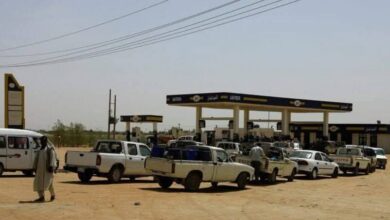
The burden is further compounded by power outages, forcing bakeries to operate generators using diesel at a rate of eight gallons per shift. They are also increasingly forced to turn to the black market to purchase fuel because of shortages at service stations, which some bakery owners attributed to broader energy crises.
The price increases have also caused workers’ daily earnings to decline from 60–70 to 30–40 Sudanese pounds, while daily bakery production has fallen from around 1,500 loaves to between 1,000 and 1,380 loaves.