The winter has intensified the suffering of displaced populations across the three Kordofan states. Already grappling with war, hunger, and rising human rights violations, thousands now face harsh seasonal conditions without adequate food, medicine, or heating.
Displacement camps are currently experiencing multiple crises, characterized by a near-total lack of healthcare and medical supplies. These shortages have become critical as a cold wave sweeps through the region, compounded by a noticeable absence of aid from international organizations.
Fears and Forecasts
Sudanese meteorologists predict that this winter will be exceptionally cold and prolonged, lasting four months from mid-December to mid-March. Displaced families, many of whom have exhausted their savings and lost their daily livelihoods, are struggling to secure heavy blankets and winter clothing for children and the elderly.
Weather specialist Al-Munzir Ahmed Al-Hajj warned of upcoming cold waves accompanied by strong winds. The “Weather Monitor” group noted that this period may see frost and freezing temperatures in parts of northern and western Sudan, marking the most severe phase of the season.
Illness and Lack of Care
Bashir Issa, who fled to El-Nahud in West Kordofan, described the dire living conditions: “Most displaced people live in huts made of straw and wood. With the cold wave hitting, there is no healthcare and zero international aid.” Families have resorted to “patching” their straw dwellings with old rags and burlap to block the biting wind.
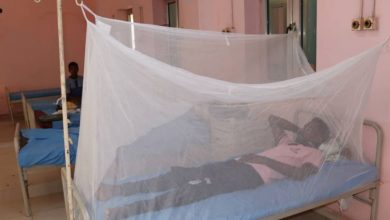
Issa noted that the cold is driving a surge in respiratory infections and fevers. This health crisis is creating an urgent need for consistent medical supplies, additional nutrition for vulnerable groups, and proper winter attire.
Depleted Savings
In El Obeid, Hussein Hamed—originally from Al Dubeibat in South Kordofan—reported a significant rise in throat infections and respiratory issues among the youth and elderly. He warned that while families have tried to self-reliance to survive, their remaining funds will likely run out within a month, making urgent intervention from authorities and humanitarian groups vital.
Famine and Infrastructure Crises
Samia Jadin, a manager at a displacement center in White Nile State, reported that hunger is now widespread. She noted that the buildings housing thousands are often unfit for winter; broken windows and doors force many to sleep on cold floors or huddled against walls without mattresses or pillows.
To cope, some families have turned to traditional wood and charcoal fires for warmth. While effective against the chill, Jadin warned that these fires pose significant safety risks in crowded spaces filled with children and the elderly.
Ongoing Displacement
The head of the International Organization for Migration (IOM) mission in Sudan, Mohamed Refat, anticipates that continued fighting in South Kordofan could displace another 90,000 to 100,000 people. He highlighted that nearly half a million people in El Obeid are already affected by escalating conflict, while funding shortages are forcing a reduction in ground operations.
Meanwhile, the Humanitarian Aid Commission in White Nile State reported a fresh influx of displaced persons fleeing Heglig toward the city of Kosti, despite severe food shortages in the designated camps.
After more than two and a half years of war, UN estimates indicate that nearly 13 million Sudanese have been uprooted. Of these, 8.6 million are displaced internally, while over 4 million have fled to neighboring countries.