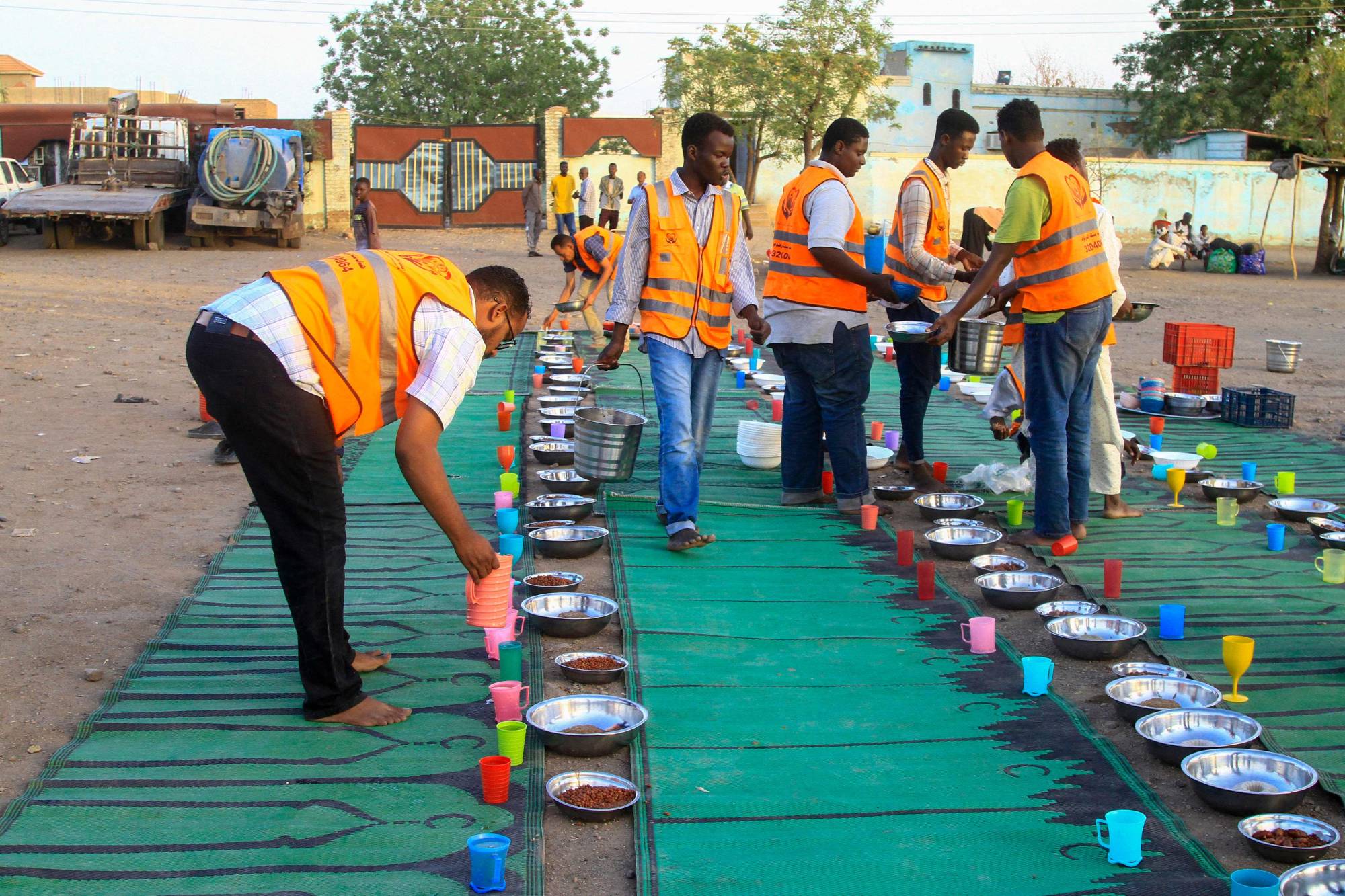
In a scene resembling social recovery, the nights of Ramadan this year have restored the glimmer of life to the capital, Khartoum. This follows the previous conditions of its three cities—Khartoum, Bahri, and Omdurman—which were dominated by the hallmarks of war, including indiscriminate shelling, security breakdowns, and the heavy presence of armed Rapid Support Forces in public streets, alongside bodies scattered in the open.
This year, the night hours of Ramadan in most Khartoum neighborhoods have transformed into escalating activity, especially in densely populated areas such as Al-Kalakla, Jabra, and Al-Azhari in southern Khartoum. Residents spend long hours of the night socializing, playing cards, dominoes, chess, and chatting, in addition to sports, cultural, artistic, and entertainment activities in cafes, public squares, and youth clubs.
A Phase of Recovery
Ibrahim Idris, a shop owner in the Jabra suburb of southern Khartoum, says that those returning to Khartoum are living through a recovery phase, while spirit and hope stir among citizens whenever electricity, water services, and markets stabilize.
Idris added, In past years, Khartoum was a military focal point for the Rapid Support Forces. Now, citizens spend long hours in the streets, either sitting in cafes or in front of shops that remain open until dawn, as well as going out to public squares to attend entertainment programs and follow sports activities organized after Iftar.
He continued, Perhaps Khartoum has not yet returned to its familiar pre-war crowding, but what we are seeing is a new beginning and a major transformation after experiencing the worst tragedy during the months of war.
Gradual Return
Following the cessation of the war, a group of people interested in cultural and sports activities thought about how to rehabilitate clubs and youth centers during the month of Ramadan. The goal was for them to resume their true role by organizing sports tournaments, cultural seminars, free medical treatment days, and environmental cleanup campaigns, as well as holding Ramadan football tournaments and other athletic activities.
Ahmed Al-Tayeb, one of the initiators in reviving sports, cultural, and social activities at the Al-Sajana Youth Center in Khartoum, says that Ramadan nights are an opportunity to restore the role of clubs and youth centers that suffered extensive destruction. These centers used to hold events and cultural seminars focusing on youth issues and awareness, particularly in drug prevention, in addition to Ramadan football tournaments that provide an outlet for fans.
Al-Tayeb added, We succeeded in bringing together musicians, singers, and instrumentalists to create a link between them and enrich the artistic scene so that the artistic community becomes more cohesive. Arts play a major role in strengthening social ties and planting hope in souls. We organized a weekly event that received a great response until the forums began attracting the public. This highlights the social and entertainment importance of clubs in Ramadan.
He explained that most clubs and youth centers that opened their doors have begun to ignite enthusiasm and desire among neighborhood residents, especially the youth, through interaction with musical and theatrical groups, folk performances, entertainment programs, and listening sessions for oud playing and singing to the beats of drums, as well as the exchange of poetry among amateurs.
Al-Tayeb noted that this public presence and interaction encouraged the management of these clubs and youth centers to work on recovering what they lost during the war, such as sports equipment, musical instruments, viewing screens, seats, and tables, and preparing them better than they were before.
Rituals and Traditions
Furthermore, community activist Al-Zain Khader explained that the city of Omdurman, which lived through the darkness of war, has restored its rituals, customs, and traditions during the evenings of this Ramadan. It is witnessing the organization of sports tournaments and training in all activities, and the activation of cultural and social gatherings in its long-standing venues daily after Iftar.
Khader added, Despite the limited return of the theaters that Omdurman was famous for—due to their destruction and the massive funds needed for repair—some are witnessing rehearsals and some performances in an attempt to attract fans. Additionally, families have returned with their children, along with youth and the elderly who sit around tea and coffee sellers and at restaurant and cafeteria tables to exchange conversations about current events.
The community activist stressed that the return to normal life will only happen with the return of citizens to their areas despite the existing obstacles, the attempt to overcome the life crises they experienced during the war, and working to normalize life by spending enjoyable times during these Ramadan evenings.
Social Communication
In a related context, the secretary of the Al-Wihda Youth Club in Al-Kalakla, southern Khartoum, Walid Al-Musaik, indicated that they are keen to encourage communities to connect through Ramadan tournaments aimed at reviving various activities, especially football. They also celebrate those who have returned to their homes from time to time by holding festivals containing many segments they titled The Joy of Return.
Al-Musaik continued, In my estimation, there is a sports awakening in the month of Ramadan through the activation of fields known popularly as five-a-side pitches, which are usually located in the middle of residential neighborhoods. These witness competitions between veteran players and youth attended by football fans, in addition to the practice of walking, especially in areas that have seen stability in the electricity supply.
He pointed out that the Ramadan tournaments held in various areas of Khartoum with the highest population presence were prepared for well in advance, and their details were published on social media. The goal was for them to contribute to convincing residents of the possibility of living in the capital once again.
He cautioned that restoring the true role of clubs in sports, cultural, and social activities requires doubling efforts and erasing the traces left by the conflict, which resulted in psychological, social, and economic effects. This will place an additional burden on activists and initiators in providing services for community healing.