The suffering of residents of Sudan’s capital, including those who remained and those returning from displacement and refugee areas, is worsening across the three cities of Khartoum, Omdurman, and Bahri due to the deterioration of electricity, water, healthcare, and education services, in addition to growing security concerns, particularly with the rise in looting and theft within residential neighborhoods.
According to the International Organization for Migration (IOM) mission in Sudan, approximately 1.8 million displaced persons and refugees have voluntarily returned to their homes in Khartoum. However, thousands still lack access to basic services and continue to face difficult living conditions, including limited access to healthcare, education, and employment opportunities.
Service Shortages
In this context, Alam Al-Din Fadl, a resident of Al-Andalus area, told Mashawir that neighborhoods across the capital are witnessing large inflows of returnees on an almost daily basis. He stressed that the government must provide at least the minimum essential services, particularly electricity, water, healthcare, and education, to accommodate the growing numbers returning to Omdurman, Bahri, and Khartoum and enable them to settle permanently.
He added that the government is currently operating on a day-to-day basis, and that the slow pace of efforts to improve services will not solve existing problems but will instead worsen conditions, especially as thousands continue returning to their homes.
Fadl emphasized the urgent need to restore healthcare services through reopening medical centers and clinics, reconnect electricity, telecommunications, and internet services, secure drinking water supplies, and address energy shortages.
Electricity Crisis
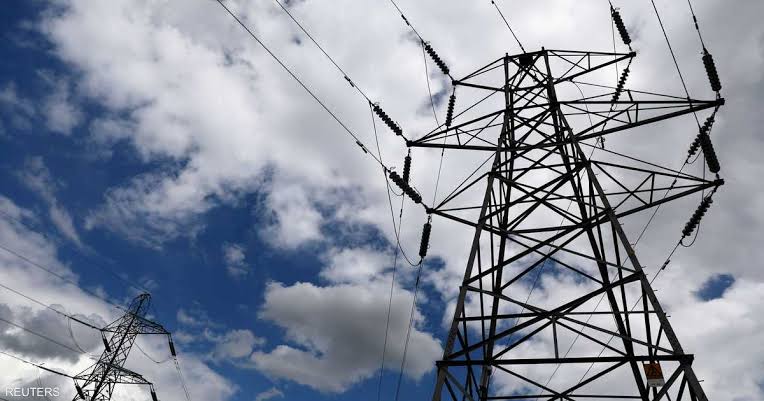
For her part, Sara Issa, a homemaker living in Al-Jarafa area in Omdurman, explained that Khartoum State is facing major electricity supply challenges linked to the extensive damage inflicted on the national power grid. This has reduced the contribution of thermal power generation at a time when electricity demand is rising sharply during the summer and pressure on generation facilities continues to increase.
She noted that residents are enduring power outages lasting up to 14 hours per day, while temperatures in Sudan have reached 45°C during the summer, significantly worsening living conditions.
Issa stressed that the current priority should be ensuring electricity supplies to critical facilities, including water stations, hospitals, and educational and public service institutions, alongside implementing solar energy projects at key locations.
Deteriorating Conditions
Meanwhile, Afraa Bakhit, a homemaker from Al-Azhari area in Khartoum, said that prolonged electricity outages have made life unbearable, particularly during the current summer season, which has witnessed unprecedented temperatures. The outages have led to severe water shortages, leaving residents trapped in a cycle of overlapping crises with no clear indication of when life might return to normal.
Speaking to Mashawir, she explained that the electricity crisis has placed additional burdens on women responsible for household management, particularly in preserving food from spoilage amid rising commodity prices and declining incomes. Families have been forced to adopt strict cost-saving measures simply to survive.
She added that a lasting solution to the crisis appears difficult given the fragility of the situation. The country seems unable to meet growing electricity demand, especially with the heavy reliance on cooling devices during extreme heat, leading to wider implementation of scheduled power cuts across various states.
Bakhit further noted that the electricity shortages have disrupted water pumps, intensifying the struggle to access clean water. Residents now compete from early morning to purchase water from animal-drawn carts after spending long hours waiting at water wells. The price of a barrel of water has reportedly reached around 40,000 Sudanese pounds (approximately $10).
She also warned of increasing fears of disease outbreaks due to contaminated and unsafe water, in addition to heat-related illnesses and sunstroke, stressing the need for urgent government intervention to resolve the electricity crisis.