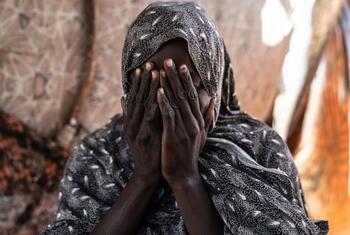
Refugee camps across neighboring African countries, home to thousands of Sudanese refugees, hold countless stories of psychological, physical, and sexual abuse suffered by young girls and women during the ongoing war in Sudan.
Many of these stories remained untold for a long time. However, efforts to support and treat survivors through specialized centers have begun to reveal the extent of the atrocities they endured. Many survivors are still waiting for treatment, silently carrying deep emotional wounds and living with painful memories of the violence they experienced before reaching safety.
Psychological Trauma
In a refugee camp in eastern Chad, Hala sits quietly in her room reading a book. The 24-year-old fled from El Fasher, the capital of North Darfur State, after experiencing violence by fighters from the Rapid Support Forces (RSF).
Speaking to Mashaweer under a pseudonym, Hala said she and three other women were sexually assaulted after armed fighters stormed the house where they had been hiding.
> “There were eight of them. We were beaten and sexually assaulted. Some of us were raped, while others, including me, were beaten with weapons,” she said. “I went into shock because of what I witnessed. It was something I have never been able to overcome.”
Thousands of Victims
According to estimates by governmental and non-governmental organizations, thousands of Sudanese women have become victims of sexual violence since the outbreak of the war in April 2023.
The Sudanese government’s Unit for Combating Violence Against Women has documented 1,138 cases of sexual violence since the beginning of the conflict. However, its director, Salima Ishaq Al-Khalifa, stated that this figure represents no more than 10 percent of the actual number of cases.
International organizations have accused the Rapid Support Forces (RSF) of systematically using sexual violence—including rape, sexual slavery, and forced marriage—as a weapon of war.
A Weapon of War
Reproductive health specialist Manahil Saad said that sexual violence has been one of the most brutal weapons used during the conflict.
She told Mashaweer that the figures reported from refugee camps represent only those cases that have been officially documented, while the number of unreported cases is believed to be significantly higher.
She explained that cultural and social barriers, particularly the fear of stigma, remain among the biggest obstacles preventing survivors from reporting crimes or seeking help.
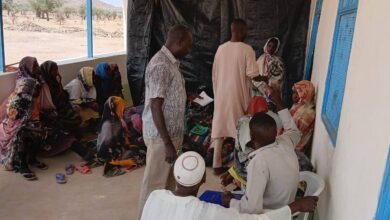
Saad also stressed that many families are unaware of how to access specialized services that provide medical care, psychological support, and legal assistance to survivors. She called for stronger advocacy efforts and broader public awareness campaigns through various media platforms to inform refugee communities about available services and reporting procedures in refugee camps.
Ongoing Suffering
Maryam, 23, who also requested that her real name not be used, was forcibly married and held captive for an entire year in a house near her family’s home. During that time, she endured repeated rape and physical abuse, which eventually resulted in a miscarriage.
She told Mashaweer that she later fled with her family to refugee camps in Chad, where she began receiving psychological care at specialized treatment centers.
Before the war began in 2023, Maryam had been an engineering student. Following the conflict and the forced marriage, she says she was left emotionally devastated.
Efforts and Challenges
Hanaa Abbas, a medical volunteer working in refugee camps in Chad, told Mashaweer that it is essential for survivors to know that available services are provided with complete confidentiality and respect for their privacy, while also offering psychological and social rehabilitation.
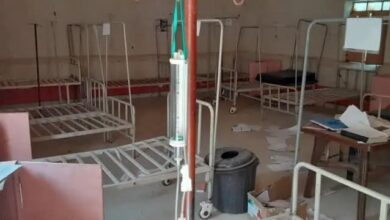
She added that the closure of several service centers, along with the shortage of trained and specialized professionals capable of supporting survivors, remains one of the greatest challenges under the current conditions of war.