Early each morning, Sami Bashir leaves his home in Wad Madani carrying his medical file and moving from one hospital to another in search of a dose of treatment. His search eventually led him to a private medical center, where he found that the cost of chemotherapy was beyond his financial means. Faced with the choice of waiting or postponing his treatment sessions, his illness began advancing faster than his chances of recovery.
Such scenes have become part of the reality facing thousands of cancer patients across cities and areas of Al Jazirah State. They are living through catastrophic conditions, accompanied by despair and anxiety over their health as hospitals and oncology treatment centers have stopped operating. With hundreds of patients turning to private hospitals, the cost of treatment has become an unbearable burden, threatening continuity of care and forcing patients to make painful choices between confronting their illness and being unable to afford increasingly expensive medical bills.
A Painful Reality
Sami Bashir said he “was forced to stop treatment because of the high cost of chemotherapy doses at private hospitals and medical centers after his family’s savings ran out, in addition to the suspension of charitable organizations’ assistance to cancer patients.”
He explained that “the prices of the doses are astronomical, and ordinary people cannot afford all these expenses. A single medicine package costs the equivalent of US$200, while a chemotherapy dose containing one milligram and used for injection costs between US$200 and US$300 on the black market.”
Bashir hopes that efforts by the Al Jazirah State Ministry of Health will succeed in saving the lives of patients facing devastating circumstances, as interruptions in treatment threaten their lives and may lead to a deterioration in their health.
He pointed out that “these medicines are extremely expensive and place a heavy burden on patients’ families, who have been left to face a bleak fate in the absence of strategic solutions to ease their suffering. For those unable to secure treatment, the outcome could ultimately be death.”
Doctors’ Strike
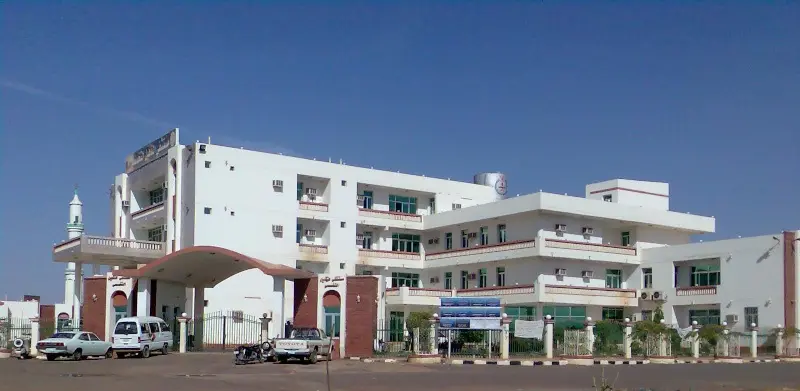
Meanwhile, the Sudan Doctors Network said that “a strike by medical staff and an acute shortage of chemotherapy doses for cancer patients have led to a deterioration in services at Al-Dhura Hospital in Wad Madani, the capital of Al Jazirah State.”
In a statement, the network said that “cancer patients in Al Jazirah State are suffering from a severe shortage of chemotherapy doses as a result of the deterioration of health services.”
The statement noted that “the suspension of work by a number of medical staff due to unpaid salaries and financial arrears for nearly two months has resulted in reduced healthcare provision, with some patients receiving only half of their required dose and being referred to private hospitals to complete their treatment.”
The network expressed concern over what it described as deliberate neglect by health institutions, which has caused the crisis to recur for the third time this year, following an earlier interruption of radiotherapy services and the continuing shortage of medicines.
The statement said that “this failure threatens the lives of cancer patients and deprives them of their right to receive the treatment and care they need.”
The Sudan Doctors Network called on the federal and state ministries of health to urgently intervene to pay outstanding salaries and dues owed to medical staff, secure chemotherapy medicines and restore stable services at Al-Dhura Hospital.
Difficulties and Helplessness
Against this backdrop, the family of a child, Qasim Bakheit, is struggling to obtain sufficient treatment doses for their son, who has leukemia. His mother said that “the deterioration of services at Al-Dhura Hospital in Wad Madani has intensified patients’ suffering, particularly amid the acute shortage of treatment doses.”
She noted that “Qasim received treatment at the hospital before the services deteriorated, but doctors told us that he would need doses over a long period. When we turned to private hospitals, we were shocked by the cost of treatment, which exceeded our financial capacity. We became unable to cope with the rising medical bills.”
The child’s mother said that “during this period, his health deteriorated, he lost his appetite and nearly died because the necessary medicines were unavailable.”
A Complicated Situation
Ayman Suleiman, who lives in Al Manaqil, said that “delays in providing chemotherapy complicate patients’ conditions and put their lives at risk, particularly because most people in Al Jazirah State cannot afford to purchase treatment. Their lives become dependent on the availability of doses that the Ministry of Health is unable to provide.”
Suleiman said that “access to healthcare is a fundamental human right, and there can be no justification for failing to care for patients because the absence of treatment can lead to death. Based on my own experience and daily struggle to find medicines, I believe the health sector has become little more than a black market driven by profit rather than the quality of medical care.”
He warned that the shortage of medicines could worsen in the coming period unless urgent measures are taken to ensure stable supplies and save the lives of thousands of cancer patients.
Deteriorating Services
Meanwhile, oncologist Issam Abdelmajid said that “hundreds of patients have been unable to receive chemotherapy in recent months because of the deterioration of services at Al-Dhura Hospital and health centers across Al Jazirah State. The catastrophic situation has contributed to several deaths, particularly among children and older people.”
Abdelmajid explained that “treatment doses vary from one patient to another, with some patients requiring a dose every three weeks. Amid the current shortage of radiotherapy, the situation has become extremely complicated and threatens the lives of hundreds of patients.”
The oncology specialist added that “a large number of patients are suffering from blood cancers, which cannot tolerate interruptions in treatment. As a result, traveling from one state to another further contributes to the deterioration of their health because of the arduous journeys.”