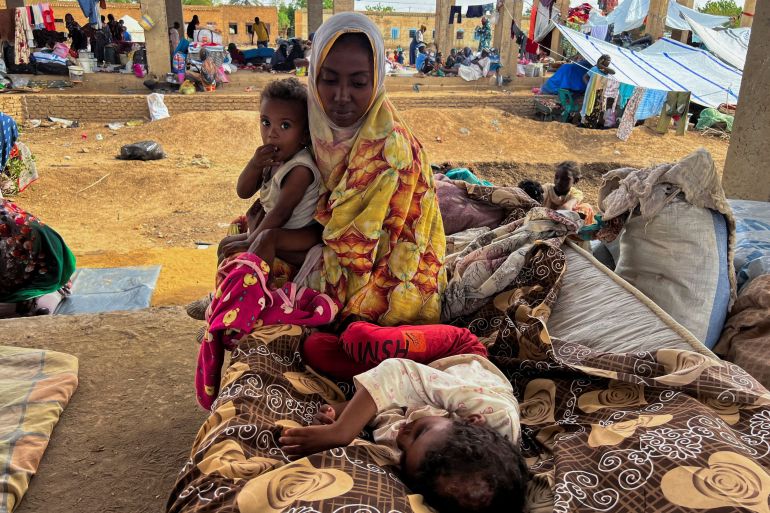
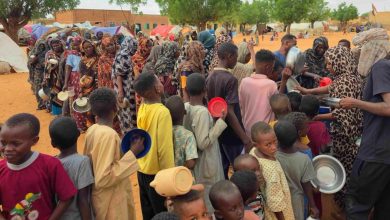
Amid worsening humanitarian crises and inadequate healthcare, displaced Sudanese people in the Kordofan region are facing dire conditions as they confront another, even more severe threat: deadly epidemics, foremost among them cholera. The outbreak has infected hundreds, while dozens have reportedly lost their lives in silence.
Drone attacks and artillery shelling carried out by the Rapid Support Forces (RSF) on the city last July triggered a catastrophic crisis in healthcare services. According to the Ministry of Health in North Kordofan State, 12 hospitals and six health centres have ceased operations.
As fighting intensifies in West and South Kordofan states, El Obeid is receiving increasing numbers of displaced people arriving from Al-Nahud, Al-Fula and Abu Zabad, as well as Al-Dibaybat, Dilling and Kadugli.
These developments coincide with a cholera outbreak linked to a drinking-water crisis in several cities and areas across the region, alongside the deterioration of sanitation services. This has placed additional pressure on services in El Obeid, which has become one of the main destinations for displaced people seeking safety and medical treatment.
Patients’ Suffering
Displaced person Abubakr Hamid Hamdan, who is receiving treatment at one of El Obeid’s hospitals, told Mashaweer that “hundreds of people fleeing the fighting in West Kordofan have arrived in the city seeking treatment for cholera, only to find hospitals that have collapsed.”
He added that “doctors are working under extremely difficult conditions and with limited resources, in addition to shortages of medicines and the lack of intravenous fluids.”
Hamdan explained that “critical cases face enormous difficulties in obtaining medical care, alongside other patients who require regular treatment, including people with diabetes, high blood pressure, kidney failure and other chronic diseases.”
Healthcare Crisis
For his part, epidemiologist Dr. Mukhtar Saad said that “the few hospitals and medical centres that remain operational have limited capacity to respond to emergencies of this scale, particularly with the arrival of displaced people from West and South Kordofan. Hospitals are receiving around 12 cases a day amid shortages of medical personnel and beds, as well as a scarcity of intravenous fluids and medical supplies.”
Speaking to Mashaweer, he noted that “the situation is extremely difficult, and delays in seeking medical assistance mean that some patients face the risk of dying on the way or on hospital floors upon arrival. There is a major shortage of healthcare services and difficulties in providing assistance to those infected.”
Saad pointed out that “a cholera patient may require between six and eight intravenous fluid bags per day, and many displaced people cannot afford hospital bills, particularly after exhausting their financial savings.”
Contaminated Water
Similarly, Hamid Al-Mana, a displaced person from South Kordofan, said that “the spread of cholera is directly linked to the deterioration of health conditions across large parts of Kordofan, particularly the shortage of clean drinking water.”
Al-Mana described the health situation as “extremely dangerous,” noting that diseases are spreading at a time when healthcare services have deteriorated and some water stations have stopped operating following drone attacks.
He told Mashaweer that “the interruption of clean water supplies increases the risk of cholera spreading, especially in areas receiving large numbers of displaced people and lacking adequate sanitation services.”
The Sudanese displaced person called on the North Kordofan Ministry of Health to take urgent action to implement an emergency response plan, provide medicines, medical equipment and supplies, and work to restore the operation of suspended health facilities.
Hospitals Out of Service
According to medical sources who spoke to Mashaweer, more than 12 hospitals and six health centres have completely ceased operations in parts of North Kordofan, including El Obeid, Bara and Jabra Al-Sheikh, while other facilities are operating only partially.
Overcrowding and Lack of Care
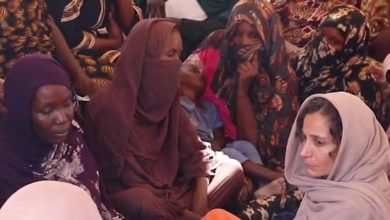
Meanwhile, Dr. Abdelrahman Al-Amin, a volunteer physician working in shelters for displaced people in El Obeid, said that “people are arriving daily from West and South Kordofan at a time when shelters are overcrowded, contributing to the spread of epidemics.”
Speaking to Mashaweer, Al-Amin explained that “the majority of displaced people arriving from West Kordofan are infected with cholera and urgently need treatment without delay, but hospitals and health centres in the state have become severely limited.”
He added that “shelters lack life-saving and essential medicines due to the suspension of support from international organisations, as well as the limited assistance provided by local authorities.”