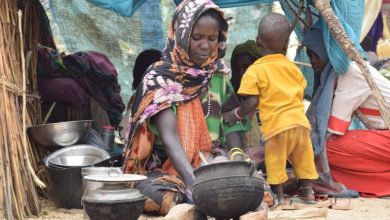
In a humanitarian paradox, Sudan, a country engulfed in a devastating war and waves of internal displacement since April 2023, continues to host hundreds of thousands of people fleeing conflicts in neighbouring countries. While approximately 8.6 million Sudanese have been displaced within their own country, Sudan was hosting more than 921,000 refugees and asylum seekers as of the end of October 2026, with South Sudanese nationals accounting for more than 75 per cent of them.
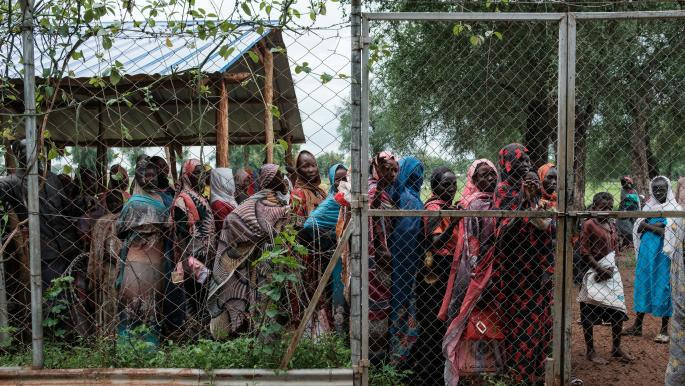
In border towns and villages, the presence of refugees has become a daily source of pressure on already limited services and resources. On the eastern bank of the White Nile, in the localities of Al-Salam and Al-Jabalain, Sudanese displaced people fleeing fighting in Khartoum, Al-Jazirah, Kordofan and Darfur live alongside South Sudanese refugees escaping clashes and food insecurity in their own country. Both groups share the same scarcity of water, food and healthcare.
Continuous Influxes
Sudan hosts approximately 698,000 registered refugees from South Sudan, while unofficial estimates exceed one million when unregistered refugees are included. During 2026, the country received around 32,000 new arrivals, including approximately 3,800 who reached White Nile State in October alone. Their arrival followed renewed clashes in South Sudan’s Upper Nile and Jonglei states, worsening living conditions and flooding, as well as families’ desire for reunification and improved road access following the rainy season.
White Nile State hosts approximately 429,000 refugees across ten camps in the localities of Al-Salam and Al-Jabalain, representing nearly half of all refugees in Sudan.
Sudan’s Commissioner for Refugees, Nizar Al-Tijani, confirmed that the number of refugees in the state had doubled following the outbreak of the war, pointing to the enormous pressure on services and the urgent need for an international response. The main camps include Khor Waral, Al-Radيس, Umm Sangour, Al-Kashafa, Jouri, Dabba Bousan, Al-Alaga, Al-Jam’iya and Al-Muqaynis.
The remaining refugee communities are distributed across Blue Nile State, which hosts 18 per cent of the arrivals in Al-Roseires, Bau and Al-Kurmuk; Darfur, which hosts 10 per cent in Al-Kirيو, Al-Nimr and Al-Firdous; as well as reception sites in Al-Mairam and Al-Kharasana in South and West Kordofan.
The United Nations High Commissioner for Refugees (UNHCR) confirmed that White Nile State hosts approximately one million people collectively, including internally displaced persons, refugees and returnees, further increasing the demand for shelter and basic services.
Testimonies from the Heart of the Crisis
In Al-Jabalain locality, Al-Sir Mohammed, a local resident, told Mashawir reporters:
“We, the refugees and the displaced, drink from the same water sources and receive treatment at the same health centres. Despite our difficult circumstances and rising prices caused by the war, we have not closed our doors to our neighbours. However, the infrastructure in our villages and hospitals can no longer withstand this pressure without urgent support.”
The refugees themselves are facing equally difficult conditions. At Khor Waral camp, Akol Deng, a mother of four, said:
“We left Upper Nile to escape hunger and insecurity, but the war in Sudan has sent prices soaring and food rations have continued to decline. We and our Sudanese displaced neighbours have been left sharing whatever little we have just to survive.”
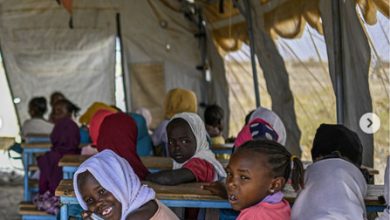
At Al-Radيس camp, Mayuen Arop, a community leader, described overcrowded tents, shortages of drinking water and the spread of malaria and dengue fever, alongside shortages of medicines and the risk of children dropping out of school.
During a visit to the camps around Kosti in August 2026, World Food Programme Country Director in Sudan, Abdullah Al-Wardat, said tens of thousands of people were living in extremely harsh conditions.
“Imagine having no shelter, no food and no source of income whatsoever,” he said.
Relocation and the Funding Gap
The consequences of the war have also affected refugees living in urban areas, with many forced to flee once again from Khartoum and Al-Jazirah towards White Nile State.
During 2026, the Sudanese Commission for Refugees, in coordination with the Khartoum Security Committee and UNHCR, carried out organised relocation operations, transferring refugees remaining in Ombada and Naivasha in Omdurman to camps in White Nile State.
Major General Idris Abdullah Laiman, Assistant Commissioner for Refugees in Khartoum, said the move was intended to provide protection and assistance, update refugee records and regulate the presence of foreign nationals to facilitate their access to services.
In Juba, the Ministry of Foreign Affairs announced official contacts and the formation of a national team to monitor the situation of South Sudanese nationals in Sudan and ensure their protection and legal rights during relocation operations and efforts to regulate their presence.
This is happening while their home country is receiving more than 1.44 million returnees and refugees who have fled the war in Sudan, amid government and UN efforts to strengthen stability and support reintegration.
Meanwhile, declining international funding is placing additional burdens on host communities, affecting the provision of food, water, healthcare and protection services.
In statements made in Geneva in late November, UNHCR Assistant High Commissioner for Protection, Edeem Wosornu, warned that funding cuts had resulted in the closure of approximately half of the shelters and protection centres for women and girls in conflict-affected countries, including Sudan.
Needs are growing further as women head 57 per cent of arriving households, while children under the age of 18 account for 48 per cent of new arrivals, increasing the demand for nutrition, education and healthcare services.
Thus, Sudanese host communities are facing an additional burden in a country already being drained by war. They are sharing their limited resources and deteriorating public services with refugees, even as they themselves are in urgent need of support.
An international response remains essential to protecting refugees, supporting host communities and assisting those who are bearing an increasingly large share of the cost of this crisis.