As the War Enters Its Fourth Year… Worsening Humanitarian Conditions for Millions of Sudanese
Mashawir – Report by Minhaj Hamdi
As three years have passed since the outbreak of war between the Sudanese Armed Forces and the Rapid Support Forces in mid-April 2023, and as the conflict enters its fourth year, humanitarian conditions continue to deteriorate. Millions are unable to access even the most basic necessities of life, alongside the near collapse of vital sectors such as healthcare and education.
At the same time, the economic crisis has worsened unprecedented levels. Food prices have surged to record highs beyond the reach of thousands of families, while millions of Sudanese have exhausted their savings. Daily economic activities have come to a halt, and salaries in both the public and private sectors are no longer paid regularly.
Crises and Growing Risks
In this context, Ezz El-Din Fadl, a resident of Al-Thawrat area in Omdurman, told Mashawir:
“The crisis of food and medicine has become our daily concern, as we struggle to provide meals for children and treatment for the elderly, especially those with chronic illnesses.”
He added:
“Unfortunately, our savings have run out, and we now have nothing left. This is a dangerous indicator that could lead to famine and increased deaths among the elderly.”
He continued:
“The living conditions of most Sudanese have deteriorated in an unprecedented way, leaving people confused and uncertain about their future.”
Ongoing Displacement
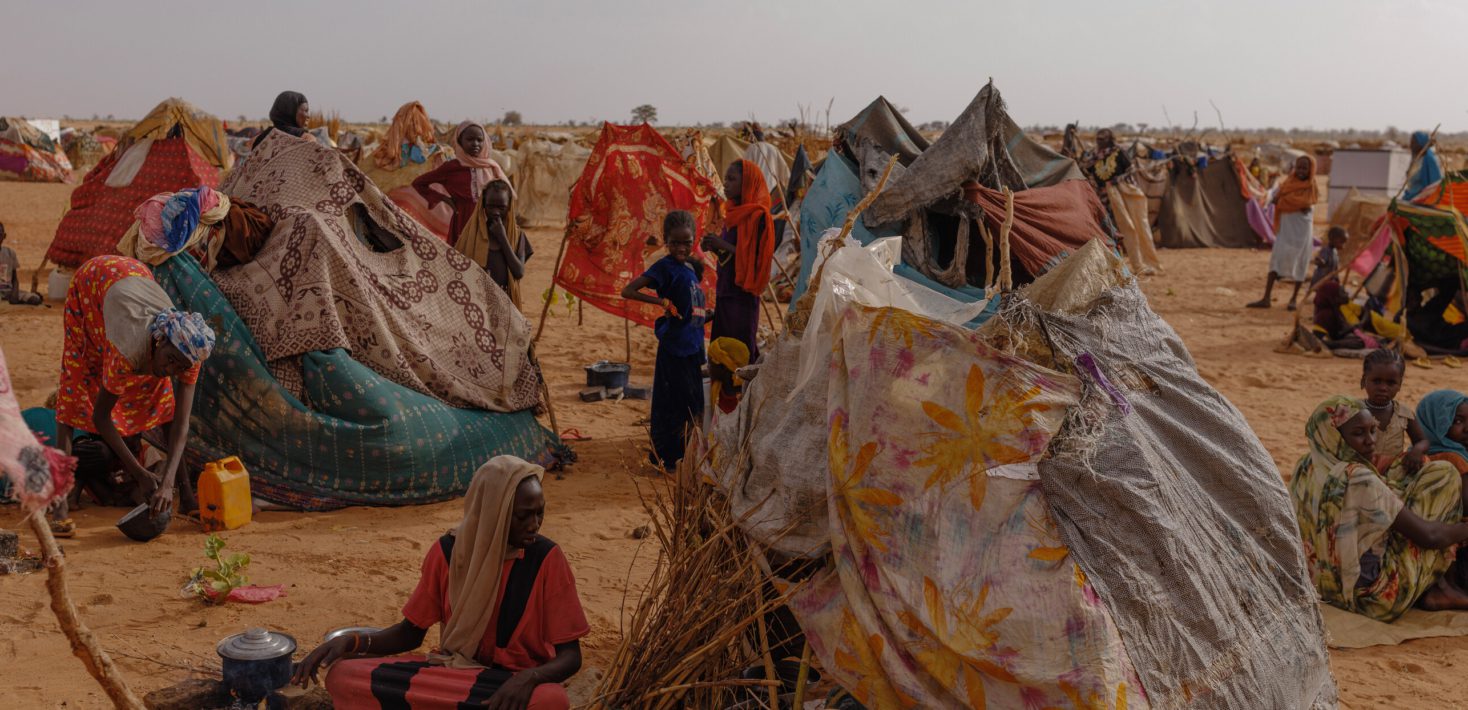
Waves of displacement have become one of the most severe and complex consequences of the war. Displacement is no longer just forced movement from one place to another, but a daily experience of compounded suffering affecting every aspect of life.
Since the conflict began, between 12 and 15 million people have been forced to flee their homes, in what international reports describe as the largest and fastest displacement crisis in the world. Currently, around 13.6 million people are displaced both inside and out of Sudan.
In Blue Nile State alone, the UN’s Displacement Tracking Matrix recently reported a rise in the number of displaced people to 28,020 within just a few days—an increase of 18 percent. Displacement originated from areas such as Bau (13,130), Kurmuk (10,310), and Geisan (4,580), with most settling in locations like Damazin (12,895).
Living conditions reflect the scale of the crisis: 87% of displaced people reside in informal settlements, while 9% have taken shelter in schools and public buildings that lack basic services.
Deadly Diseases and Hunger
The collapse of the healthcare system, along with the lack of medicines and medical supplies, has contributed to the spread of hunger and disease, turning daily life into a struggle for survival.
According to estimates by the World Food Programme, around 25 million people face acute food insecurity, while famine has already been confirmed in several areas and continues to spread.
War-driven inflation has pushed food prices up by as much as 300% in some regions, making it extremely difficult for millions of families to secure even one daily meal.
Psychological Impact
The war has also left deep psychological scars, particularly among children and women, due to ongoing shelling, siege conditions, and serious human rights violations.
Recent field studies conducted in Khartoum indicate that 36.2% of the population show symptoms of post-traumatic stress disorder, while depression rates have reached 58.7%, highlighting the profound psychological toll of the conflict.
Other studies show that 38% of displaced persons and 51% of women experience similar symptoms, underscoring the vulnerability of the most at-risk groups, especially women and children.