Sacrificial Animal Prices Soar in Sudan as Sheep Cost More Than a Government Salary
Khartoum – Mashawir
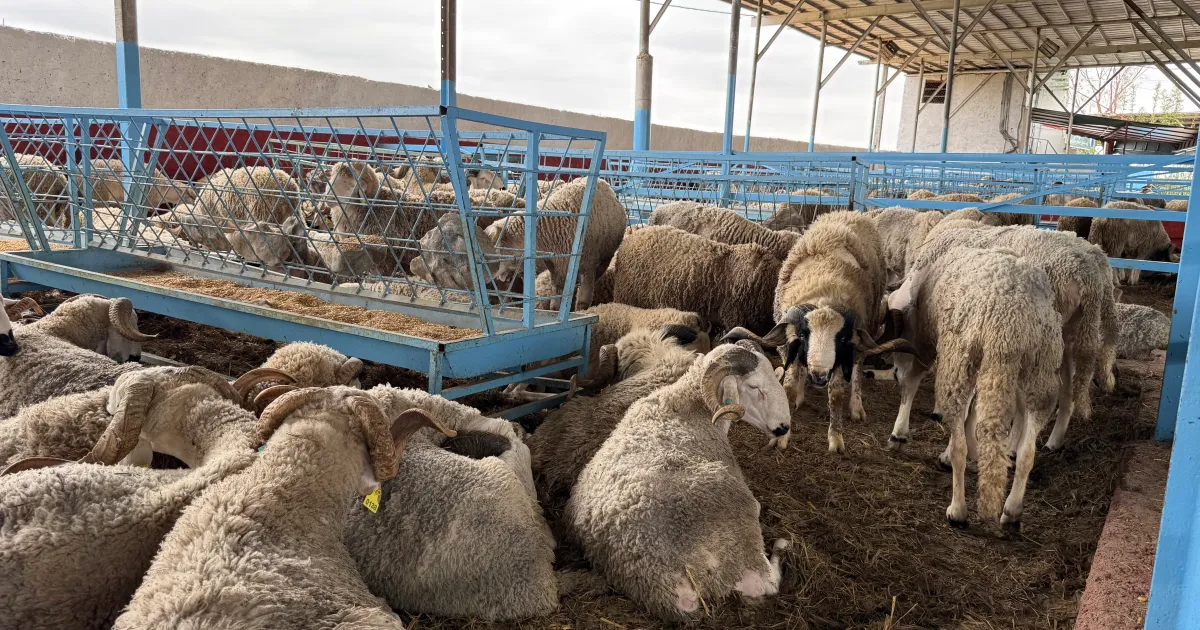
As Eid al-Adha approaches, economic concerns are escalating in Sudan due to the unprecedented rise in sacrificial animal prices amid a severe cost-of-living crisis caused by the internal war and soaring transportation and feed costs. Livestock markets in Omdurman, west of Khartoum, have become a reflection of the immense pressures facing citizens.
From inside one of Omdurman’s livestock markets, Al Jazeera Mubasher correspondent Waddah Al-Tahir observed buying and selling activity that appeared relatively active despite the wave of inflation, while traders and citizens complained about the massive price increases compared to last year.
Livestock trader Am Awad said that the lowest price for a sheep this season starts at 750,000 Sudanese pounds, while larger sheep range between 1.3 million and 1.5 million pounds. Some types of “Hamari” sheep, usually designated for export, are being sold for nearly 2 million Sudanese pounds.
He explained that the sharp rise in prices is mainly due to increased transportation and feed costs.
He pointed out that livestock transportation expenses have doubled significantly in recent months because of the security situation and rising fuel prices.
The trader added that truck rental costs for transporting sheep from production areas in Kordofan and western states have risen from around 2,000 pounds previously to between 4,500 pounds currently.
He also noted that animal feed prices have witnessed sharp increases, explaining that the price of a sack of feed grain has reached about 200,000 Sudanese pounds, while a bale of alfalfa now costs around 35,000 pounds, directly affecting livestock prices in the markets.
The Al Jazeera Mubasher correspondent noted that the minimum price of a sacrificial animal now often exceeds the salaries of many Sudanese employees, placing thousands of families under severe financial strain ahead of Eid al-Adha amid continuing economic pressures and declining purchasing power.