The crisis of leaking and selling relief supplies designated for displaced people and those in need in Sudan has resurfaced once again, amid growing accusations of corruption networks exploiting the humanitarian situation. This comes as Sudan faces the worst humanitarian crisis in its modern history due to the ongoing conflict between the army and the Rapid Support Forces (RSF), which has continued for more than three years.
The government of White Nile State in southern Sudan recently acknowledged the sale of nearly 14,000 shipments of humanitarian aid, including flour and sugar, under a confidential arrangement. The incident sparked widespread anger, as these supplies were intended for war-affected civilians and should not have been disposed of by any authority.
According to activists on social media, who circulated information about the incident extensively, the quantities that were sold had originally been stored to support displaced families in the state. This comes at a time when many parts of Sudan are experiencing severe living conditions and an acute shortage of relief materials, reflecting the erosion of the social protection system and the fragility of state institutions amid the war. Activists demanded an urgent investigation to uncover those involved and determine how the financial proceeds from the sales were handled.
With investigations and accountability largely absent because of the chaos engulfing the country, the question remains whether this incident will lead to changes in the management of Sudan’s opaque relief sector or simply join a long list of violations and suspicions that never reach justice.
Dependence and Decline
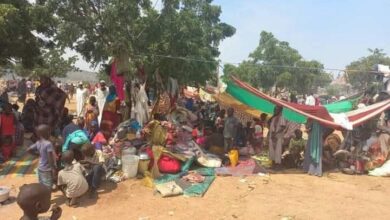
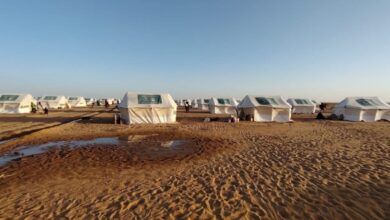
Maha Abdelraouf, a displaced woman who fled from North Darfur to White Nile State, said that “the horrific violations committed against the residents of El Fasher after its fall to the RSF forced us to flee and seek refuge in White Nile State because of its proximity. We now live in one of the shelter camps that lacks even the most basic necessities of life.”
She added, “At the beginning of our displacement, we regularly received relief boxes, but they have declined significantly. Even the aid currently distributed is insufficient for a family of three. We know the country receives large quantities of humanitarian supplies, but sadly they fail to reach those who deserve them. Their distribution does not follow humanitarian conscience, despite the fact that families depend on them as an essential source of survival.”
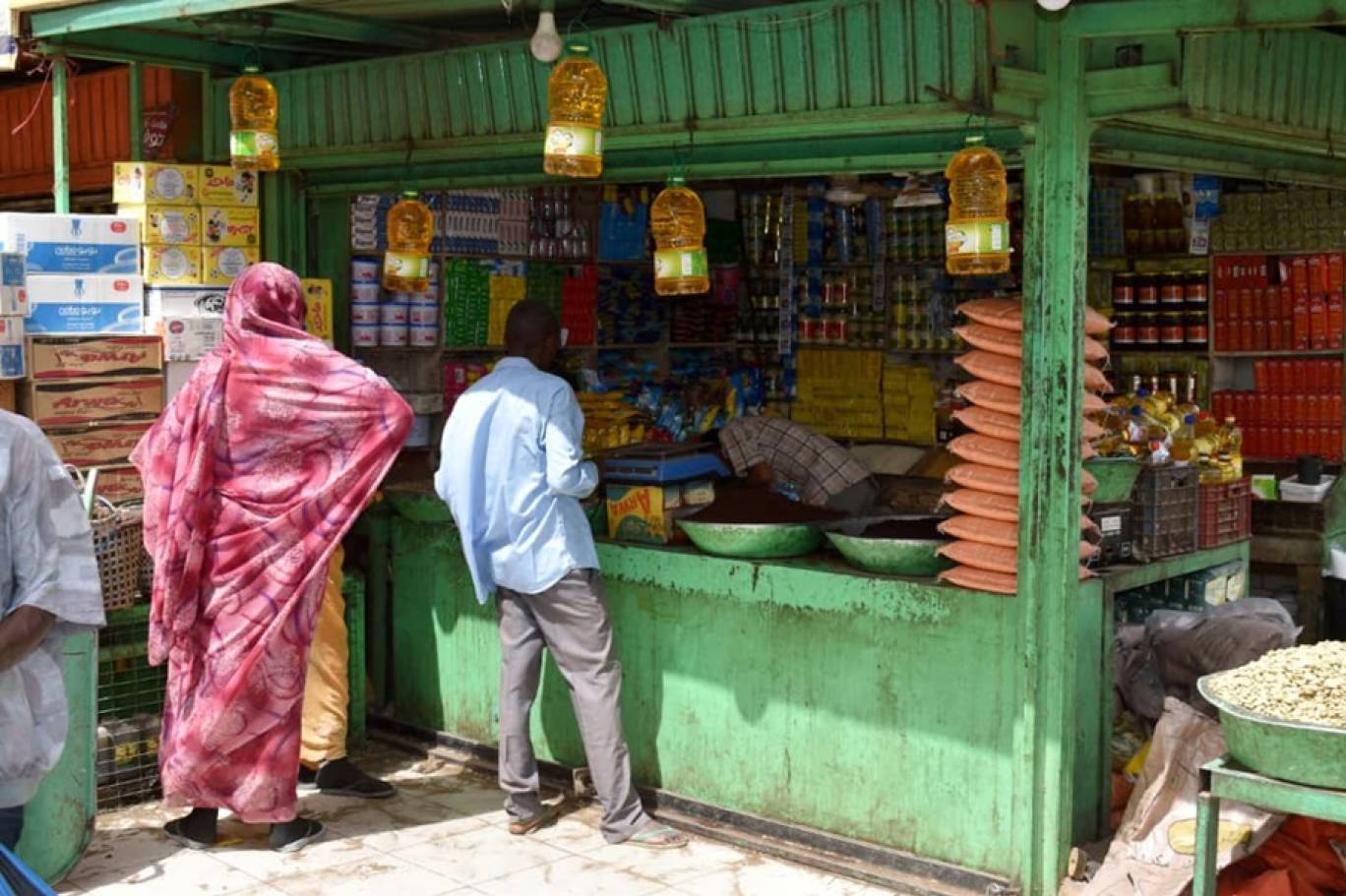
She continued, “It is painful to see relief boxes carrying the logos of donor organizations being sold openly in crowded markets and shops. Whenever we manage to get some money, we are forced to buy basic necessities from them.”
The displaced woman added sorrowfully, “I feel deep pain when my children go hungry, and this has pushed me to search for work just to secure food for us.”
Absence of Investigations
Community activist Adel Khidr described the White Nile State government’s handling and sale of thousands of boxes of sugar and flour, as reported by social media activists, as “an irresponsible act, especially since these supplies were originally intended to support displaced families in the state.”
He added, “This incident is not the first of its kind. Port Sudan, the capital of Red Sea State, previously witnessed the leakage of relief supplies into markets, while accusations in every case are directed at government officials accused of exploiting humanitarian aid amid the worsening crisis.”
Khidr continued, “Since the conflict began, relief materials have repeatedly been diverted and sold instead of being distributed to beneficiaries. This is a clear indication that displaced people are living without social protection, alongside widespread disorder and corruption within state institutions in the absence of accountability.”
He stressed, “An urgent investigation must be launched to identify those responsible for such decisions and clarify where the financial proceeds from these sales are going.”
Loss of Trust
Humanitarian activist Tibyan Fathi said, “In my view, any manipulation or misuse of relief supplies that arrived through humanitarian bridges by land, sea, and air threatens to destroy trust in the entire aid system.”
Fathi noted that “from time to time we hear widespread reports about relief supplies being leaked, whether through tenders or direct sales in markets. In both cases, the suffering of displaced citizens living in difficult economic conditions inside shelter centers has worsened. Many are struggling simply to survive, especially since most of them eat only one meal a day.”
She added, “As part of our humanitarian work, we visited markets, especially Omdurman Market, and asked traders about the source of these goods, which fill store shelves and are used for commercial purposes. As expected, we received no clear answers, reflecting the scale of manipulation and corruption by influential parties holding power.”
The humanitarian activist warned that “international reports by the Integrated Food Security Phase Classification confirm that famine is occurring in the country and that nearly 24 million people require urgent assistance. In my opinion, if integrity had been maintained in distributing relief materials and ensuring they reached those affected, there would not be hungry people in Sudan. State governments where such incidents occur must break their silence instead of relying on vague justifications.”
Beneficiary Networks
These developments come at a time when humanitarian organizations are facing major challenges in delivering aid to families suffering economic vulnerability because of the ongoing war.
Volunteer Amin Abdelqader, who worked with one humanitarian organization, said that “what happened in White Nile State regarding relief supplies has raised fears about the existence of networks profiting from the humanitarian crisis at the expense of civilians.”
He explained that “such actions complicate the work of international organizations and donor countries in a nation classified as facing one of the world’s worst humanitarian crises, especially amid obstruction of aid deliveries and efforts by humanitarian groups working in Sudan. White Nile State has become a major destination for increasing numbers of people fleeing conflict zones.”
The volunteer concluded, “Displaced people are living in miserable conditions because humanitarian aid is being sold, and ordinary citizens are paying the price. Relief supplies are supposed to be a lifeline, not merchandise sold in markets.”