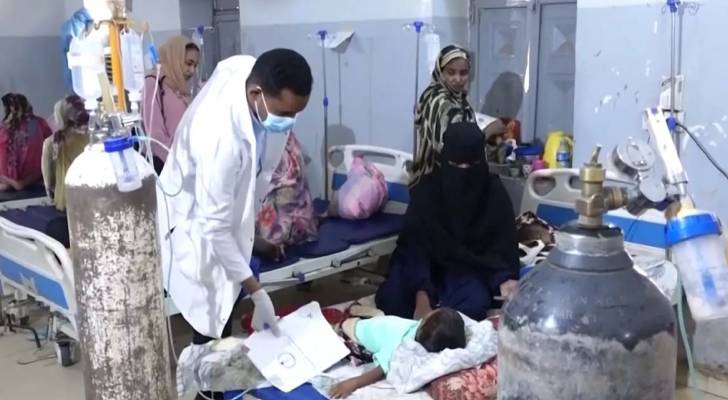
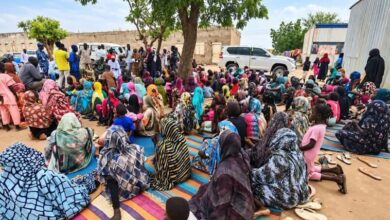
Residents of displacement camps across Darfur are facing a worsening health catastrophe as several deadly diseases, including monkeypox, chickenpox, and cholera, continue to spread rapidly amid severe shortages of healthcare services and essential medicines. The few hospitals and medical facilities that remain operational are struggling to respond to emergencies of this magnitude.
Doctors and volunteers have issued urgent appeals to humanitarian organizations to provide medicines, healthcare services, and comprehensive plans to combat the outbreaks in order to prevent a further deterioration of the humanitarian crisis.
Alarming Spread
In a statement, the Sudan Liberation Movement, which controls parts of the Darfur region, confirmed that monkeypox cases continue to rise, with the total number of infections reaching approximately 347 cases.
The movement reported alarming levels of infection in 11 areas of the Jebel Marra region, including Golo, Deribat, Jawa, Soni, Yara, Dira, Barta, Falga, Fagouri, Sortonga, and Abunaga.
According to the statement, the absence of international and humanitarian organizations has worsened the crisis. Only a limited number of aid agencies remain active, lacking the resources necessary to respond effectively to the outbreak. The movement renewed its appeal to the United Nations, its agencies, and local and regional organizations to fulfill their humanitarian responsibilities and act immediately to contain the epidemic before it develops into a broader humanitarian disaster threatening Sudan and neighboring countries.
The statement also stressed the urgent need for public awareness campaigns on the disease and its prevention, conducted by specialized organizations with the necessary expertise.
Furthermore, it called for the reopening and rehabilitation of hospitals and health centers that have closed due to shortages of medical personnel, medicines, and equipment, including Deribat Rural Hospital and the health centers in Jawa and Soni.
Fear and Concern
Speaking to Mashawir, Golo resident Hamed Abbas said that the collapse of healthcare services has contributed significantly to the spread of diseases, particularly cholera and monkeypox, which is expanding rapidly in neighboring areas.
“In my view, contaminated water and the lack of sanitation are the main causes of the cholera outbreak, while medical personnel are unable to control the epidemic because health facilities have ceased operations and medicines and intravenous fluids are unavailable,” Abbas said.
He added that the outbreak is claiming lives while communities remain unable to provide even basic assistance to patients, describing the situation as deeply painful and calling on international organizations to intervene urgently.
One of the Most Dangerous Disasters
Volunteer physician Abdel Bagi Hassan revealed that confirmed monkeypox infections have been recorded among civilians in the Jebel Marra region.
He described the outbreak as one of the most serious health threats facing more than 10 million people living in territories controlled by the Sudan Liberation Army led by Abdel Wahid Mohamed al-Nur.
According to Hassan, confirmed cases in the areas of Soni, Jawa, and Diri have surpassed 200, based on figures reported by Médecins Sans Frontières.
The volunteer doctor expressed grave concern that the outbreak could spread beyond control and appealed to the international community, United Nations agencies, and health organizations to intervene immediately before the situation escalates into a full-scale humanitarian catastrophe.
Humanitarian Collapse
Meanwhile, the General Coordination of Displacement Camps and Refugees warned of the growing spread of diseases and malnutrition in camps housing millions of displaced people.
The organization stated that the harsh and catastrophic conditions facing displaced communities represent a stark warning of a comprehensive humanitarian collapse requiring urgent intervention.
A statement issued by the coordination body highlighted the worsening health crisis, noting the spread of infectious diseases and acute malnutrition, particularly among children and women, due to inadequate food supplies, lack of clean water, and the collapse of basic healthcare services. As a result, many camps have become hotspots for disease outbreaks and scenes of daily humanitarian suffering on a massive scale.