Kadugli on the Brink of a Humanitarian Catastrophe as Famine Spreads and Disease Outbreaks Intensify
Mashawir – Report by Minhaj Hamdi
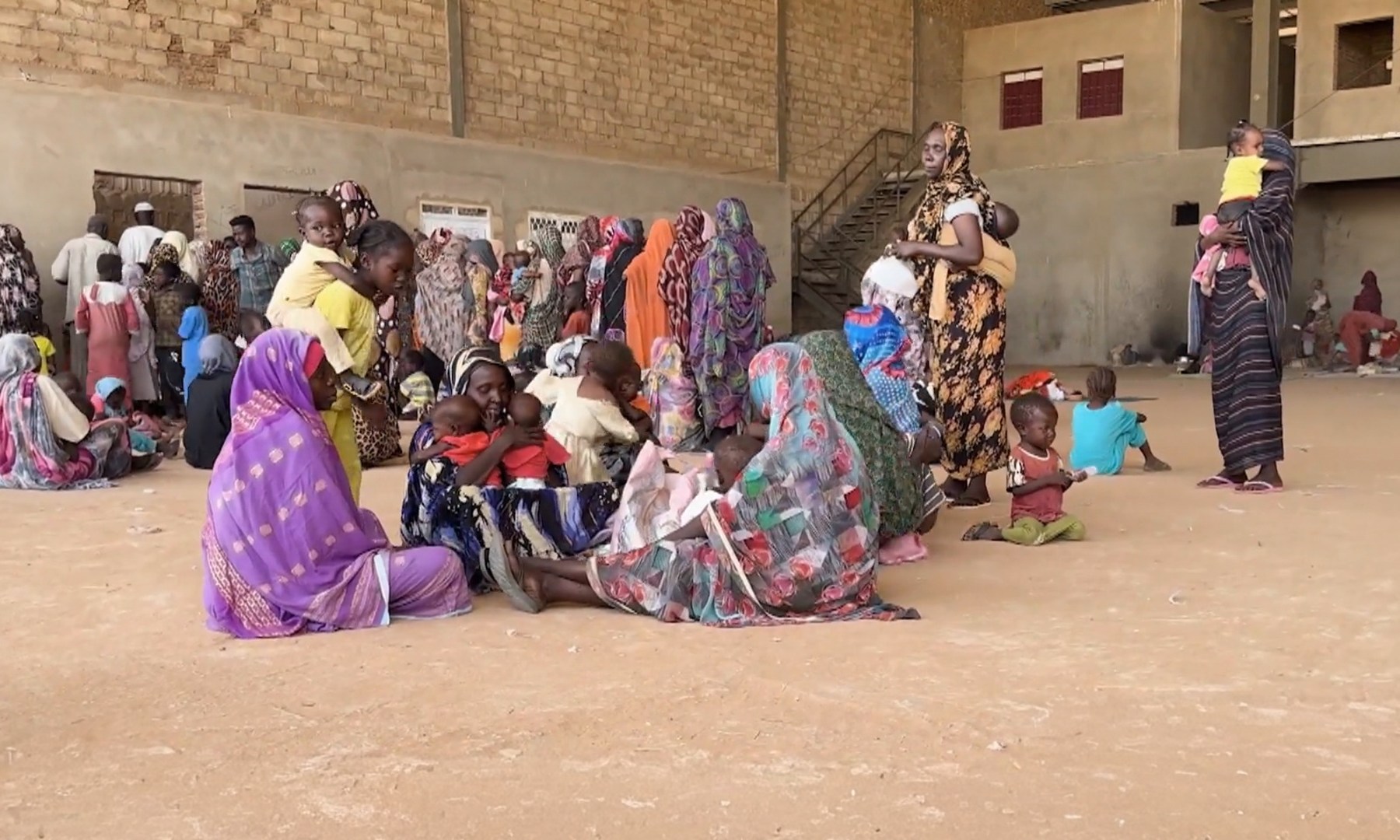
Residents of Kadugli, the capital of South Kordofan State, are facing catastrophic humanitarian conditions amid severe shortages of food, medicine, drinking water, and healthcare services. Living conditions have deteriorated dramatically due to the scarcity of food supplies, road closures, and acute shortages of clean water. Hunger and disease now loom over the population, with many families struggling to secure even one meal a day.
Power outages have forced mills in several areas to shut down, prompting residents to rely on traditional grinding stones to mill sorghum and wheat into flour for daily meals. Many people have also turned to herbal remedies and traditional medicine for treatment, while boiled tree leaves mixed with spices have become part of the diet of some households.
Hunger and Malnutrition
An assessment conducted by the humanitarian organization Impact in partnership with Save the Children in December 2025 surveyed 289 households, including 153 displaced families and 136 host-community families. The findings revealed a significant deterioration in health, food security, water access, and protection indicators in Kadugli.
The assessment reported that famine conditions classified as Phase 5 under the international food security classification system remain ongoing in Kadugli, driven by the continued conflict, displacement, looting, and disruption of livelihoods and humanitarian services.
According to the assessment, 80 percent of households rely on purchasing food with cash to meet daily needs, while 36 percent receive food assistance and only 26 percent depend on local production.
The data showed that 30 percent of households fall into poor food consumption categories, while only 20 percent have acceptable food consumption levels.
The assessment also revealed alarming rates of child malnutrition. About 31 percent of the children screened were found to be malnourished, with higher rates among children in host communities (42 percent) compared to displaced children (27 percent).
Lack of Healthcare
Speaking to Mashawir, Kadugli resident Ismail Fadl said that conditions have become unbearable, particularly with the continued indiscriminate shelling of residential neighborhoods, rising numbers of casualties and injuries, and worsening food shortages caused by road closures and the disruption of supplies of goods and medicines.
He explained that repeated attacks have forced hundreds of families to flee to the areas of Al-Karkal and Abu Jubeiha in search of safety, despite extremely difficult humanitarian conditions, especially after exhausting their savings and losing their sources of income.
Fadl added that residents remaining in the capital of South Kordofan are enduring severe economic hardship. Essential commodities such as flour, cooking oil, rice, lentils, and onions—an important ingredient in Sudanese cuisine—have become scarce.
He further noted that malnutrition has spread among children and pregnant women, while the few hospitals and health centers still operating have very limited capacity to respond to emergencies on such a scale.
Catastrophic Conditions
Another resident, Sukaina Al-Tahir, told Mashawir that living and humanitarian conditions have deteriorated dramatically, with hunger affecting most of the population. She said that many neighbors go an entire day without a single meal and that dozens of people have resorted to collecting mango, lemon, and guava leaves, boiling them with salt and spices, and consuming them simply to survive, particularly after sorghum and wheat prices reached record highs.
She added that the ongoing siege has halted the flow of food and commercial supplies from North Kordofan due to road closures. Obtaining goods through the Al-Na’am border area with South Sudan has also become extremely difficult because traders face looting, theft, and arrest by armed groups.
Al-Tahir further warned that cases of fever-related illnesses, malnutrition, and malaria have increased significantly, along with waterborne diseases and respiratory infections affecting both children and adults, while access to healthcare remains severely limited.