Severe Fuel Crisis Hits Sudan: Black Market Thrives Amid Record Price Hikes
Khartoum – Mashawir
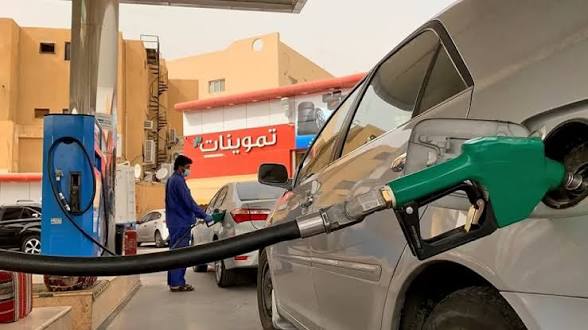
Sudan’s capital region—comprising Khartoum, Omdurman, and Khartoum North (Bahri)—along with several other states, has experienced a severe fuel shortage in recent weeks, affecting transportation, economic activities, and the daily lives of citizens.
At the peak of the crisis, the black market expanded significantly, with the price of a gallon of gasoline ranging between 27,000 and 30,000 Sudanese pounds (approximately USD 11–12).
Mohamed Ali, a car owner, told Al Jazeera that the fuel crisis is linked to several factors, including the depreciation of the local currency and disruptions in fuel supplies, both of which have affected the prices of goods and services and the lives of citizens in general.
Meanwhile, Mukhtar Mohamedin, a public transport bus owner, explained that he is now forced to stop working for an entire day after every two days of operation in order to secure fuel.
He noted that bus drivers spend long hours waiting in queues at fuel stations, directly affecting their daily income and their ability to continue operating.
For his part, Bashir Al-Khair, another transport vehicle owner, said that the rising cost of living, repeated increases in the prices of goods and services, and disruptions in fuel supplies have imposed additional burdens on workers in the transportation sector.
He added that the impacts of the war have affected all sectors of society, noting that vehicle owners are facing growing difficulties in maintaining their businesses and operating on a regular basis.