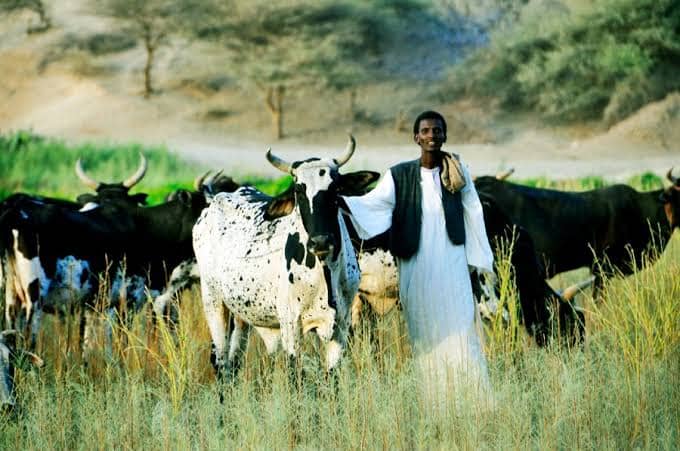
The war, now entering its fourth year, has inflicted severe losses on Sudan’s livestock sector, with approximately 320,000 crossbred cattle lost in Khartoum State alone. This represents about 80 percent of the state’s crossbred herd, which exceeded 400,000 head before the conflict. The losses have been attributed to looting, theft, and the collapse of veterinary services. In addition, Gezira State in central Sudan has lost an estimated 100,000 more crossbred cattle.
Experts say these improved cattle were the result of nearly five decades of breeding and genetic improvement programs. Their loss extends far beyond the disappearance of livestock, representing the destruction of a valuable genetic legacy that will be difficult to replace in the near future, particularly after the extensive damage suffered by animal research and production centers during the war.
The Undersecretary of the Ministry of Animal Resources, Ammar El Sheikh Idris, said that while some livestock owners managed to relocate their cattle to states unaffected by the conflict, around 80 percent of the crossbred cattle that were in Khartoum before the outbreak of fighting were stolen. He accused the Rapid Support Forces (RSF) of being responsible for the theft.
He explained that livestock owners suffered enormous financial losses, noting that the average value of a single cow is around 15 million Sudanese pounds (approximately US$3,000).
He added that the losses were not limited to cattle, as genetically improved goats were also subjected to theft and looting.
Idris also revealed that the ministry has adopted a new program to improve cattle breeds. The initiative is expected to be launched in the coming period in coordination with universities and research centers, with the aim of rebuilding the national herd and enhancing its genetic composition.