Scorpions, Rain, and Hunger: A Triple Threat in Displacement Camps in Damazin
Damazin – Mashawir Report
In the displacement camps of Damazin, the capital of Sudan’s Blue Nile Region, life has become a daily struggle where the devastation of war intersects with the harshness of nature, exposing the fragility of stability and the depth of the humanitarian crisis facing thousands of people who have fled conflict.
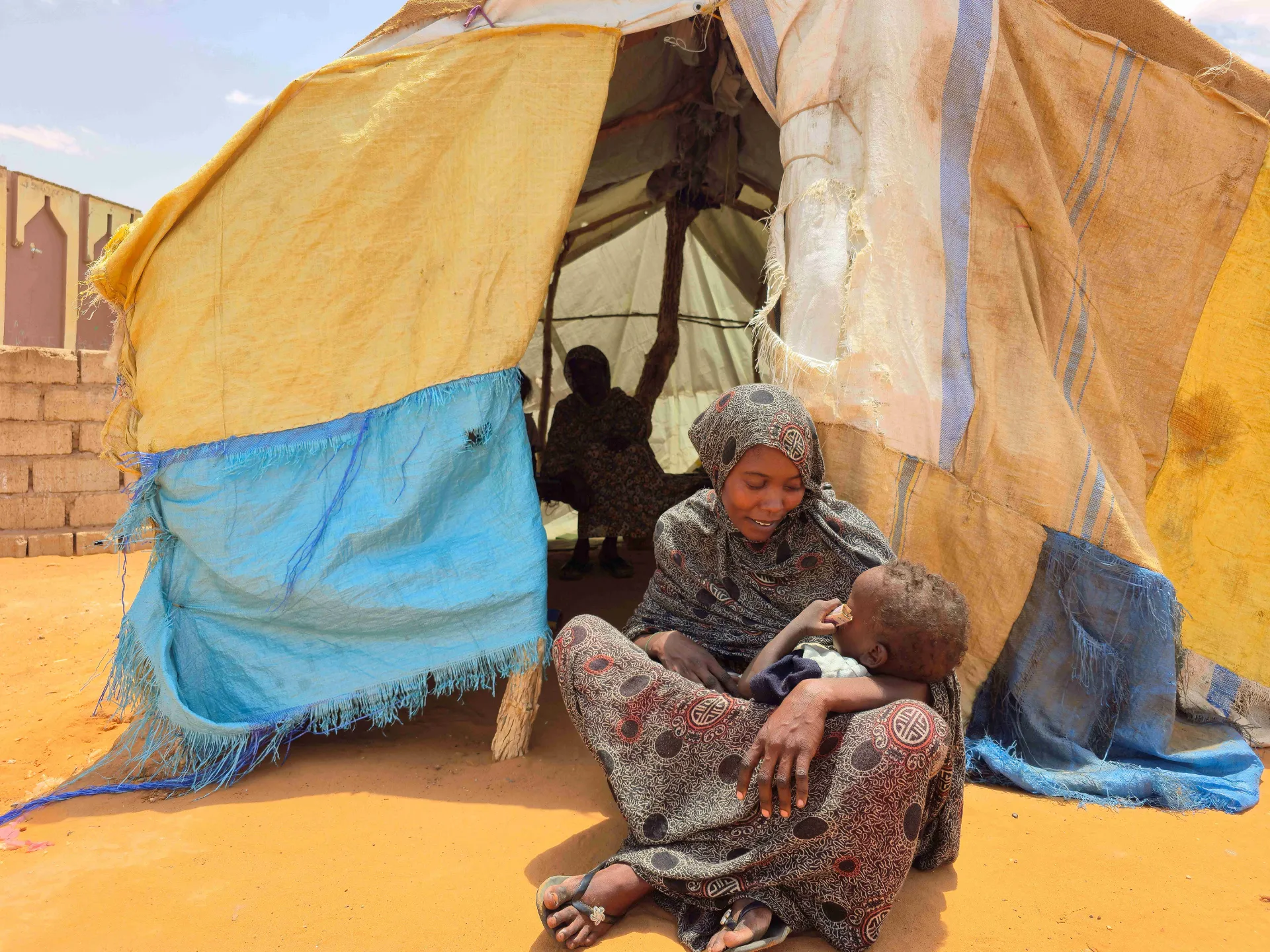
Across the camps, worn-out and tattered shelters erected in haste house families who have lost their homes but have found no relief from suffering. What was meant to be temporary refuge has turned into an open expanse exposed to heavy rains, stagnant water, and disease. Displaced families also face severe shortages of clean drinking water, food, and the most basic necessities of life.
Harsh Living Conditions
Speaking to Al Jazeera while trying to collect rainwater leaking into makeshift containers, displaced woman Hawa said:
«”We have nothing. Rainwater pours onto us at night, and we don’t have plastic sheets to cover ourselves. We try to collect the water so we can eat and drink. These children gather firewood, and we do our best to survive here. If flour were available, it would help us a great deal.”»
With the arrival of the rainy season, fears have intensified across the camps. Seasonal rains, once considered a blessing, have become an additional threat to the lives of thousands of displaced families.
Shelter Crisis
Strong winds have torn apart sections of the fragile shelters, while relentless rainfall has heightened the risk of disease outbreaks, particularly among children and infants living without even the minimum level of protection.
Fatima, who fled to Damazin from the Kurmuk area, described the situation facing her family:
«”We came here after being driven out by the war. We have no plastic sheets and nothing at all. We need food and clothing. We are terrified whenever it rains because we have no proper shelter to protect us. We are deeply worried about our children.”»
Efforts to Contain the Crisis
Amid this bleak reality, rows of makeshift shelters struggle to withstand changing weather conditions, while government authorities and local volunteers continue limited efforts to ease the suffering through basic interventions, including reopening internal roads and delivering medicines and medical supplies in an attempt to contain a crisis that far exceeds available resources.
However, according to one humanitarian worker inside the camp, temporary solutions remain insufficient:
«”In Block 10, people cover themselves with plastic sheets, clothing, or blankets to protect themselves. But during heavy rains and storms, insects such as scorpions and other pests can still find their way inside.”»
With each passing day, the gap between growing humanitarian needs and the limited aid available continues to widen. For many displaced families, the rains have become another source of fear, no less devastating than the war itself.
Volunteers say life in the camps continues under the heavy burden of displacement, while the assistance reaching residents barely covers their most basic needs.
They add that the rains, which should have brought hope and prosperity, have instead become yet another symbol of hardship, leaving thousands of displaced people to face the combined impact of war and extreme weather.