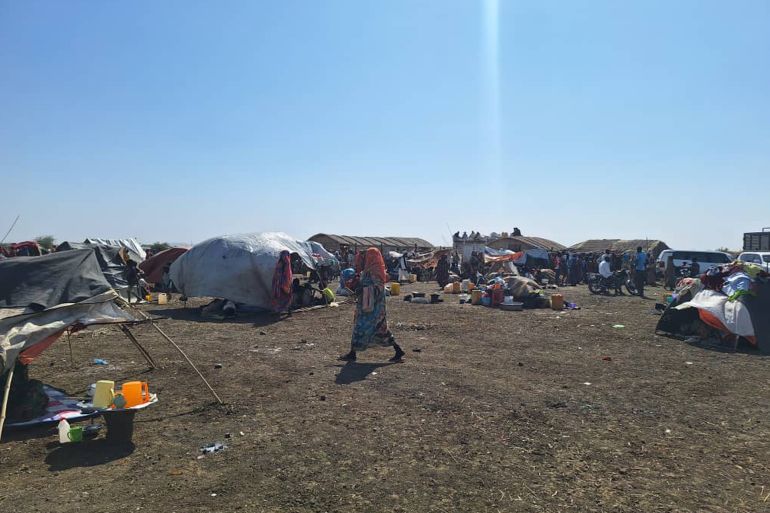
The humanitarian situation in displacement centers in Damazin, the capital of Sudan’s Blue Nile Region, continues to deteriorate as pressure on health services intensifies and the ability to meet basic medical needs declines amid ongoing waves of displacement caused by the conflict.
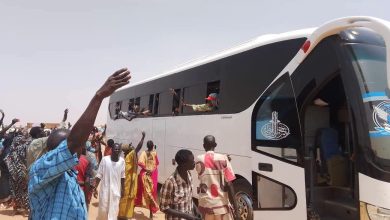
According to data from the International Organization for Migration (IOM), approximately 59,742 people, representing 11,956 households, were displaced from various parts of Blue Nile State between 11 January and 21 May 2026. The influx has placed additional strain on displacement centers and essential public services.
Mohamed Abdel Karim, a member of the Blue Nile Emergency Response Room, told Mashaweer that conditions for displaced people remain extremely difficult despite efforts to provide basic assistance.
He noted that displacement centers face major challenges, particularly in the areas of shelter and healthcare, due to limited resources and the continued arrival of displaced families.
Abdel Karim appealed to international organizations to take immediate action to help address the crisis and respond to the urgent needs of displaced communities.
Meanwhile, Dr. Yasser Saleh, a volunteer physician working in displacement camps in the Blue Nile Region, told Mashaweer that health authorities had recently launched an emergency response, including the establishment of temporary medical camps to provide healthcare services to displaced people. However, he stressed that serious health challenges persist because of overcrowded shelters, the physical exhaustion of displaced populations, and the growing risk of disease outbreaks, underscoring the need for stronger health support and expanded humanitarian interventions.
Dr. Saleh added that the onset of the rainy season and heavy rainfall are expected to worsen the health crisis by increasing the spread of infectious diseases and deadly epidemics, making urgent action by local authorities and national and international humanitarian organizations essential to avert a larger catastrophe.
He further explained that displaced children are currently suffering from severe acute malnutrition, while pregnant women and elderly people are among the most vulnerable. He also highlighted a severe shortage of life-saving and essential medicines, alongside the near absence of adequate healthcare services.