Kadugli Residents Struggle Under the Weight of Hunger and Disease
Mashaweer – Report by OSMAN ELASBAT
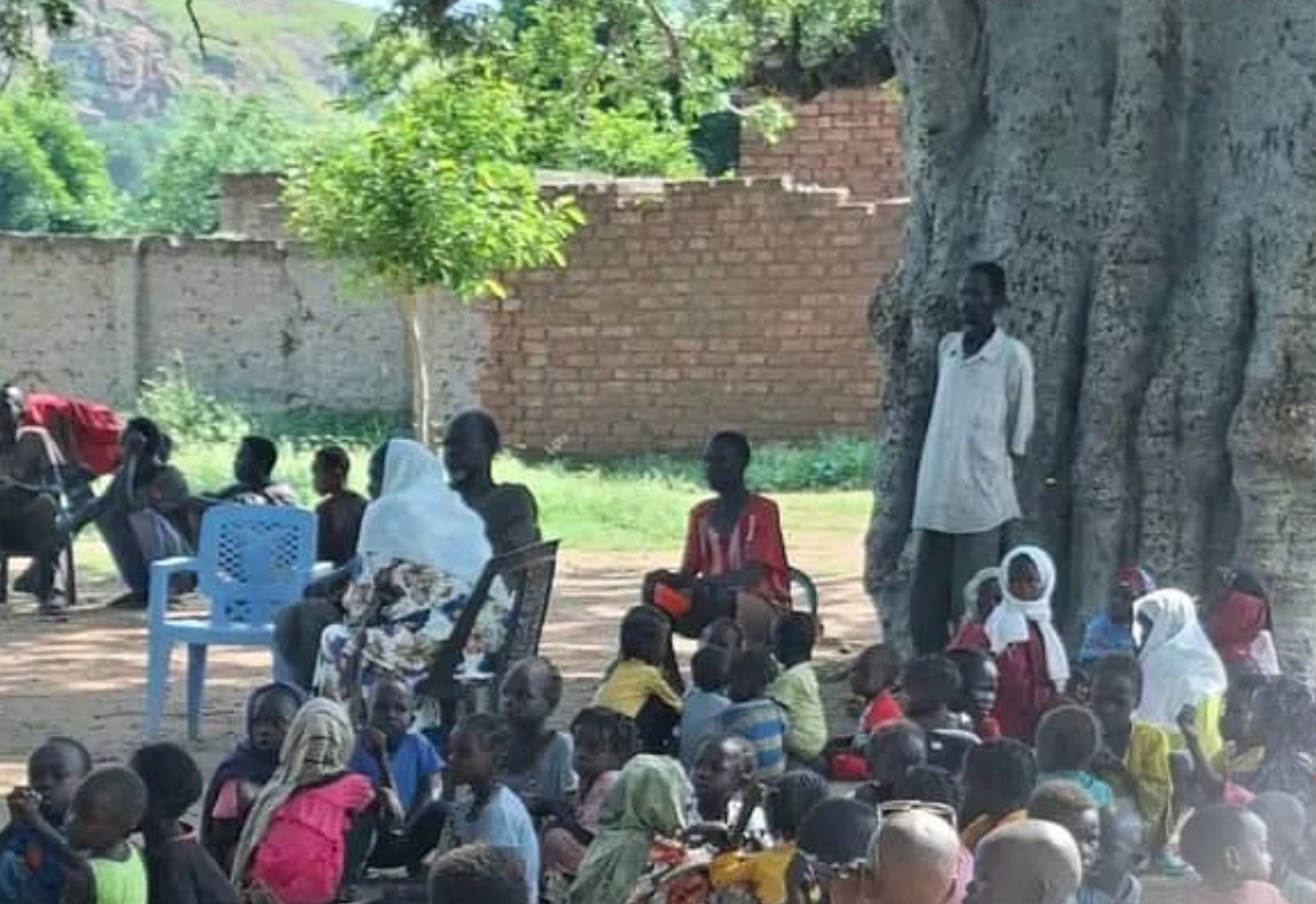
Residents of Kadugli, the capital of South Kordofan State, are facing catastrophic humanitarian conditions as fighting intensifies between the Sudanese Armed Forces and the Rapid Support Forces (RSF), along with the RSF’s ally, the Sudan People’s Liberation Movement–North (SPLM-N). The shortage of food, healthcare, and safe drinking water continues to worsen, leaving civilians trapped by hunger and disease. Humanitarian operations are increasingly constrained by the deteriorating security situation and the closure of major roads, while local authorities remain unable to meet the population’s basic needs.
The severe food shortage and rising hunger levels have contributed to a growing incidence of acute malnutrition among children and pregnant women, who face unimaginable hardships both in the city and in remote areas already burdened by poverty, soaring prices, and deadly disease outbreaks.
Harsh Living Conditions
Adel Mahmoud, a resident of the Tafari neighborhood, told Mashaweer that “the situation has become unbearable, particularly with the continued closure of roads that previously facilitated the delivery of food, medicines, and other essential goods. In addition, supplies from the Al-Na’am border area with South Sudan have been disrupted due to increasing incidents of armed looting.”
He added that residents of South Kordofan’s capital are enduring extremely difficult economic conditions, with many essential commodities—including flour, cooking oil, rice, lentils, and onions, a staple ingredient in Sudanese cuisine—becoming unavailable.
Mahmoud also accused some traders of exploiting the crisis by sharply increasing prices, hoarding goods, and creating artificial shortages in order to sell them at exorbitant prices.
Hunger and Disease
Issam Saadabi, a resident of the Al-Malakiya area, told Mashaweer that humanitarian and living conditions have deteriorated dramatically, with hunger affecting the majority of the population. Hundreds of residents are now barely able to afford a single meal a day, especially after the prices of sorghum and millet reached record highs.
He noted that living conditions continue to worsen as consumer goods become increasingly scarce and most residents suffer from a severe lack of cash, forcing ordinary people to bear the full burden of a crisis that has exhausted their savings and livelihoods.
He further explained that rising hunger has led to increasing cases of acute malnutrition among children and pregnant women, while many families can no longer afford medical care following the collapse of the healthcare system and the severe shortages of medicines and medical supplies in hospitals.
Medicine Shortages
Fatima Kabashi, a resident of the Souq Jadid area, told Mashaweer that the food crisis has significantly worsened the health of elderly people and weakened the immune systems of many residents, while most families struggle to secure even basic meals due to the lack of employment opportunities and the loss of income.
She added that the medicine crisis has reached unprecedented levels, with most pharmacies facing critical shortages of diabetes and blood pressure medications. Even the limited supplies of insulin that remain cannot be stored properly because of prolonged electricity outages, leaving the fate of diabetic patients increasingly uncertain.
Kabashi also warned of growing fears of disease outbreaks caused by contaminated and unsafe drinking water, as well as cases of heatstroke. She said residents begin lining up early each morning to purchase water from animal-drawn carts.
Collapse of the Healthcare System
Al-Hadi Babiker, a member of the South Kordofan Emergency Response Room, told Mashaweer that Kadugli is experiencing one of the worst humanitarian crises in its history, marked by widespread hunger, disease, and loss of life.
He said the healthcare system has effectively collapsed, with hospitals rendered inoperable due to artillery and aerial bombardments carried out by the Rapid Support Forces and their ally, the SPLM-N, as well as attacks targeting medical personnel.
Babiker stressed that the situation is extremely dangerous and requires urgent action to save children and pregnant women, warning that if the current conditions persist for several more months, hundreds of people in the city could lose their lives.