Deteriorating Humanitarian Conditions in Displacement Shelters in Darfur
South Darfur – Mashaweer
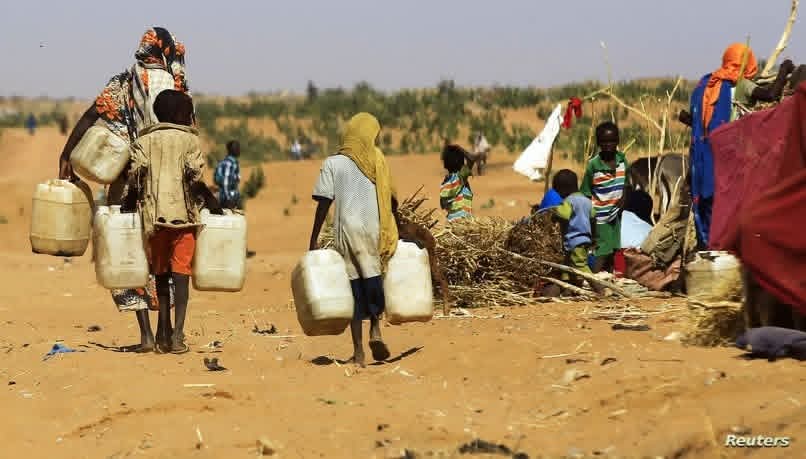
The Humanitarian Response Volunteers Team in Nyala, South Darfur State, has warned of deteriorating humanitarian conditions in several displacement shelters following a field visit conducted to assess living conditions and identify urgent needs.
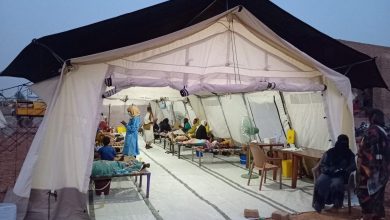
The visit included the Al-Salam Shelter, which is experiencing an acute and growing shortage of food, shelter supplies, and hygiene materials, in addition to an urgent need for drinking water. The shelter houses pregnant women and children, while two cases involving psychological and health-related disorders were recorded and require specialized care.
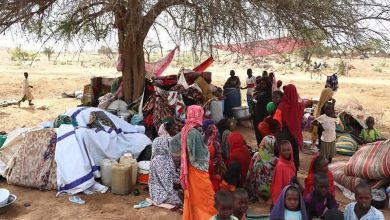
The team also visited the Al-Zahraa Shelter, which has received additional displaced people transferred from the Al-Fanniyah, Al-Tijariya, Al-Wahda, and Customs shelters. The influx has resulted in a severe shortage of accommodation, forcing most families to sleep on the ground and in the open.
The shelter is also facing a complete lack of relief and medical supplies, drinking water, and toilets, while women and children constitute the majority of its residents.
At the Al-Jair Shelter, the team observed the conditions of displaced people who had been relocated to a school lacking basic protection and safety measures. The facility has no external fencing, doors, or windows, while its toilets are unusable and lack doors. The shelter is also suffering from severe shortages of food, clothing, and shelter materials.
Abu Al-Qasim Ahmed, a member of the Humanitarian Response Volunteers Team, told Mashaweer that “the findings of the visit call for urgent humanitarian intervention to prevent further deterioration of conditions and provide displaced people with food, drinking water, shelter materials, and essential health services.”
He called for the rapid establishment of a flexible coordination mechanism to ensure minimum conditions of stability for affected families, while prioritizing the most vulnerable groups, particularly women, children, and people with medical needs.
Volunteers at the Kilometre 70 displacement camp, east of Dongola in Sudan’s Northern State, have implemented humanitarian interventions focused on protecting women and children and supporting the most vulnerable groups.
The activities included awareness sessions for women and girls, child-friendly spaces, and training on child safety and protection.
The interventions aimed to raise awareness of child protection issues, strengthen support for women and girls, and provide a safe environment where children can play, learn, recover, and grow, helping them cope with the effects of the humanitarian conditions they are experiencing.
Adam Abdelrahman, a member of the camp’s volunteer team, told Mashaweer that “these activities are part of an emergency response project for displaced people implemented by Sahari Organization. The project aims to strengthen protection services and respond to the actual needs of displaced people and the host community in eastern Dongola.”
Abdelrahman stressed the importance of directly reaching targeted communities and involving them in protection-related issues, contributing to a safer and more supportive environment for women, girls, and children.
Meanwhile, Sajida Abakar, a displaced woman, told Mashaweer that “the awareness sessions and child-friendly spaces provide important support for displaced families, particularly given the difficult circumstances facing children and women inside the camp.”
She added that “continuing such activities helps families learn how to protect children and respond to their needs,” calling for the interventions to be expanded to reach more families, children, and women in the camp.