“A Silent Tragedy” in Darfur… Hunger and Disease Besiege Civilians
Darfur – Mashaweer
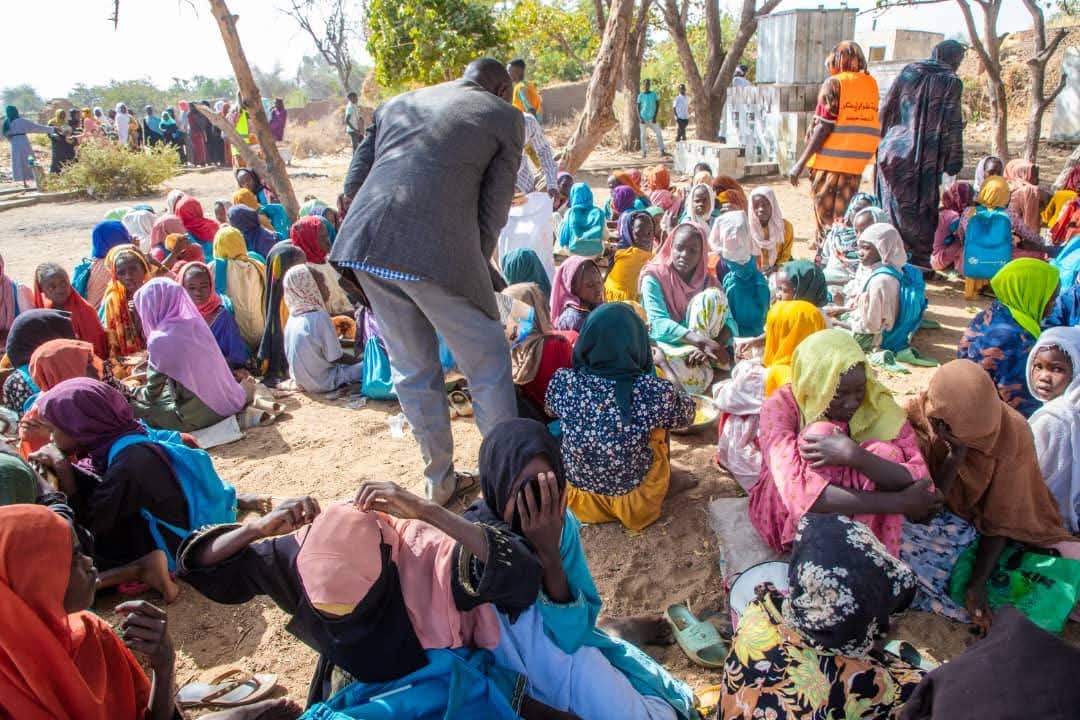
Amid hunger, disease, and isolation, North Darfur has become one of the starkest manifestations of the humanitarian tragedy caused by the ongoing war in Sudan. The General Coordination of Displaced Persons and Refugees has warned that conditions are deteriorating to a level that threatens the lives of thousands of civilians, particularly children and women, as supply routes remain cut off and humanitarian organizations are largely absent from the area.
As fighting continues, suffering is expanding across the region, with access to food, safe water, medicine, and healthcare becoming a daily challenge that threatens the lives of the most vulnerable.
A Real Humanitarian Tragedy
The crisis is particularly acute in Al-Malihah, North Darfur, where the General Coordination of Displaced Persons and Refugees warned that humanitarian conditions have deteriorated to levels threatening the lives of thousands of families. The area is facing food shortages, declining health services, and severe difficulties in receiving humanitarian assistance after the main road linking northern Sudan with Darfur was closed, effectively cutting the area off from humanitarian support channels.
Figures from the Coordination place children at the heart of the crisis, indicating that around 6,200 children are suffering from malnutrition, including nearly 1,500 children suffering from severe acute malnutrition. According to the Coordination, these cases pose an immediate threat to the children’s lives and require urgent intervention.
The impact of food shortages also extends to women. Data indicate that approximately 1,350 pregnant and breastfeeding women are suffering from malnutrition, while the Coordination warned that inadequate nutrition, combined with limited access to healthcare, is increasing the risks faced by this vulnerable group.
Disease Accompanies Hunger
As health services continue to deteriorate, the General Coordination of Displaced Persons and Refugees said diseases including tuberculosis, anemia, and diarrhea are spreading in the area, while available medicines remain limited and are concentrated in a number of private pharmacies.
Health risks are further compounded by the water crisis, as residents rely on unsafe water sources, increasing the likelihood of disease outbreaks, particularly in the absence of adequate sanitation systems and basic services, according to a statement issued by the Coordination.
The tragedy also extends beyond food and medicine. Displaced people are scattered across several centers that lack basic necessities, including water, food, medicine, and safe shelter, at a time when there are no humanitarian organizations operating in the area with the capacity to provide a large-scale emergency response.
The statement noted that the closure of the road linking northern Sudan with Darfur has further aggravated the humanitarian situation in Al-Malihah.
UN Warnings
The situation in Al-Malihah cannot be separated from the wider war that has ravaged Sudan since April 2023, when fighting erupted between the Sudanese Armed Forces and the Rapid Support Forces, turning the conflict into one of the world’s largest humanitarian crises.
As the war has spread, Darfur has once again become one of the most deadly theaters of conflict, marked by armed clashes and tensions, widespread displacement, and a sharp deterioration in basic services.
The warnings over Al-Malihah come amid growing international concerns over violations against civilians in Darfur. Christina Markus Lassen, President of the UN Security Council, told Al Arabiya that the Rapid Support Forces were committing “horrific crimes” in the region, stressing the need to protect civilians and hold those responsible for war crimes and crimes against humanity accountable.
She also described the Sudan crisis as one of the world’s worst crises and said it had remained “forgotten” on the international stage for too long, while the Security Council received warnings about the possibility of atrocities occurring in the city of El Obeid.
The war is estimated by aid workers to have killed more than 200,000 people and displaced more than 12 million Sudanese, making it, according to the United Nations, one of the world’s worst humanitarian crises.