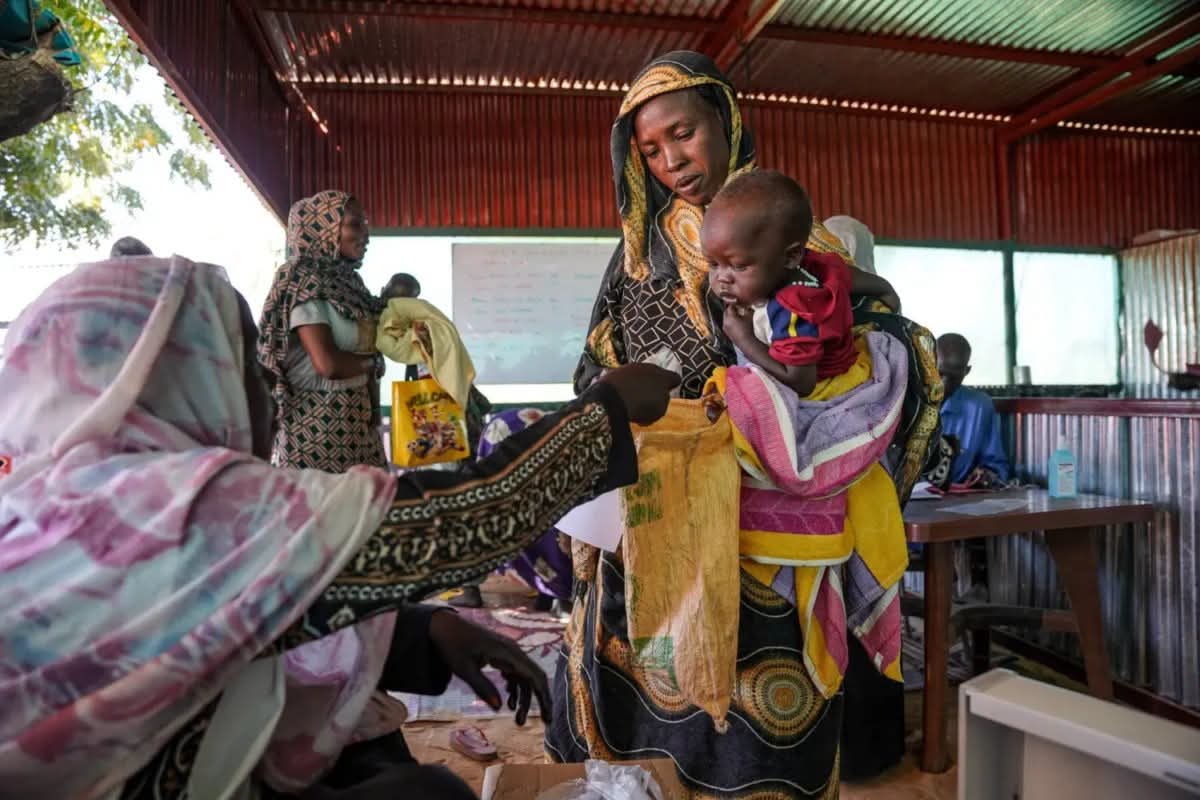
In Darfur and Kordofan, cholera is spreading amid the rainy season, deteriorating health services, and difficulties in delivering humanitarian assistance. However, the reported number of cases does not necessarily reflect the full picture. A Sudanese doctor says that several areas lack communication networks and systems for reporting and monitoring disease outbreaks.
The United Nations Office for the Coordination of Humanitarian Affairs (OCHA) has warned of outbreaks of several diseases in Sudan as the rainy season intensifies, with cholera topping health concerns in Darfur and Kordofan. However, the threat is not limited to a single disease. Simultaneous outbreaks are placing additional pressure on health facilities operating amid displacement, fighting, and difficulties in accessing affected populations.
OCHA reported cholera outbreaks in the Darfur and Kordofan regions. Blue Nile State also recorded around 800 new cases of dengue fever, while more than 3,500 cases of hepatitis and 38 deaths were reported in Blue Nile and Gezira states.
A recent UN briefing described West Kordofan as a hotspot for a recent cholera outbreak, noting that the humanitarian presence in the state remains limited. It added that roads in South Kordofan are deteriorating during the rainy season, while fighting is obstructing humanitarian access in other areas.
In North Kordofan, UNICEF Representative in Sudan Sheldon Yett warned in early August that the cholera outbreak was continuing and that population movements could lead to wider transmission of the disease. He linked the situation to the inability to provide clean water and difficulties in delivering supplies to El Obeid and surrounding areas.
Dr. Ali Bashir, Deputy Chairman of the Preparatory Committee of the Sudanese Doctors’ Union, said the humanitarian situation in displacement camps and states located along front lines and areas of armed clashes is “tragic,” with increasing cases of cholera, dengue fever, and viral hepatitis.
Bashir attributes the deterioration to interconnected factors, including difficulties in delivering aid to vulnerable and conflict-affected areas, the shutdown of hospitals, health facilities, and primary healthcare centers, as well as the migration of medical personnel.