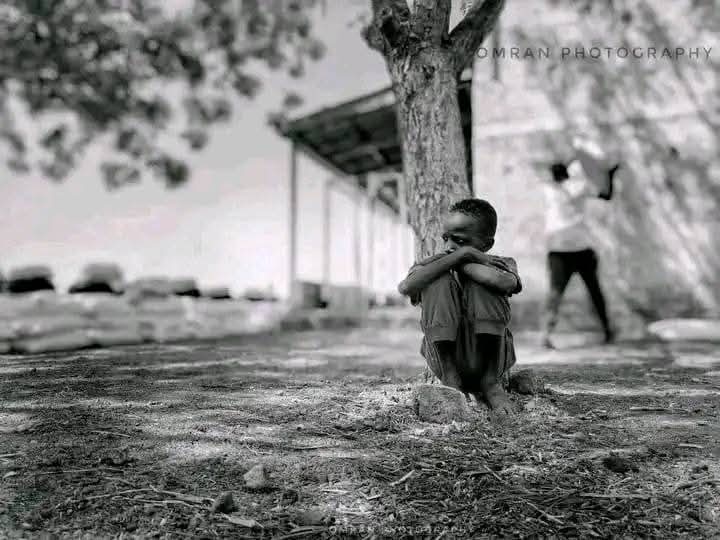
Hunger levels have increased significantly among residents of Sudan’s Darfur and Kordofan regions in recent weeks amid difficulties obtaining food commodities, declining agricultural production, and disruptions to humanitarian aid deliveries caused by the war. Pastoralists have also lost livestock, while the regions have suffered the loss of one of their key economic resources following the suspension of gum arabic production and the decline in harvesting activities.
These conditions have triggered dangerous signs of a growing humanitarian collapse in parts of North Darfur and South Kordofan, particularly following the suspension of humanitarian convoys, the imposition of fees and levies on relief assistance, attacks on and looting of aid, and the expansion of military operations. Supply disruptions, repeated market closures, and traders’ resort to stockpiling and hoarding have further exacerbated the crisis.
Catastrophic Conditions
In this context, Issa Al-Tahir, a resident of Dilling, said that “living conditions for civilians have deteriorated significantly in recent weeks due to their lack of access to food, drinking water, and healthcare, as well as the absence of humanitarian assistance and the suspension of charitable initiatives that previously met the needs of several conflict-affected areas in South Kordofan.”
He added that “the conflict in Kordofan has transformed the cities of Kadugli and Dilling from economically active urban centres into areas besieged by hunger due to the suspension of agricultural and pastoral activities, as well as restrictions imposed by both sides of the war on humanitarian aid and the movement of goods and commodities. Concerns are increasing as international organizations have delayed delivering food rations and are struggling to reach people in need who are suffering from hunger due to food shortages.”
Al-Tahir explained that “famine has worsened and become a reality in the region, and it will accelerate the deaths of many people. The closure of roads, deterioration of services, and lack of food commodities—which, when available, are sold at exorbitant prices—have all contributed to forced displacement.”
On the Verge of Starvation
Meanwhile, Hamed Haroun, who lives in the Ambro area of North Darfur, said that “hunger is now hanging over people trapped in the area, forcing them to consume animal feed, which has caused diarrhoea and abdominal swelling among children, while healthcare is unavailable because hospitals and health centres have ceased operating.”
He noted that “if the food rations provided by international organizations to vulnerable communities stop, the situation will reach the point of starvation, as there are no livelihoods available to us. Moreover, community kitchens cannot possibly meet the needs of such large numbers of people.”
Haroun said that “people in the villages are experiencing a severe deterioration in food security because they are among the most vulnerable groups. Malnutrition has affected them despite consumer goods being available in markets, as the extremely high prices prevent people from purchasing them, further worsening living conditions.”
Diseases and Deaths
At the same time, the civil administration in areas controlled by the Sudan Liberation Army led by Abdel Wahid Mohamed Nour announced that areas of Jebel Marra, Tawila, Ain Siro, and displacement camps had entered a famine phase, amid rising deaths and cases of malnutrition among children, women, and older people due to severe shortages of food, medicines, and healthcare.
In a statement, the civil administration said that “the humanitarian catastrophe threatens the lives of millions” living under harsh conditions in displacement camps and areas controlled by the movement. It attributed the deterioration to obstacles preventing relief convoys and humanitarian assistance from reaching affected communities, as well as the failure of the agricultural season due to insufficient rainfall, the spread of epidemics, contaminated drinking water, and disease outbreaks, amid shortages of medical supplies and the absence of field hospitals.
The administration said these factors had contributed to rising death rates in displacement camps, ranging between 10 and 20 cases, and called on the United Nations and the Security Council to adopt an urgent decision ensuring the delivery of food and medical assistance to affected areas without administrative or political obstacles, while opening and securing humanitarian corridors and crossings.
Urgent Need
In a related development, Moataz Younis, a volunteer with the South Kordofan Emergency Rooms, said that “the areas now most urgently in need of assistance are North Darfur and South Kordofan, where people need food and medicine, particularly following the expansion of famine and the spread of deadly diseases and epidemics.”
Younis noted that “people are desperately in need of humanitarian assistance amid rising prices of consumer goods and their inability to afford them. Unfortunately, tonnes of humanitarian aid have arrived in Sudan from various countries and organizations. If it were distributed transparently, it could help alleviate the hunger crisis, feed empty stomachs, and address the severe wasting caused by acute malnutrition among children, older people, and pregnant women.”
He stressed that “humanitarian assistance should serve as a neutral tool to alleviate suffering amid Sudan’s complex conflict. Unfortunately, the warring parties have turned it into a weapon of war against civilians by deliberately depriving them of food, medicine, and shelter. This is undoubtedly a serious violation of international humanitarian law and falls under war crimes and the imposition of harsh living conditions.”
The Coming Hunger Crisis
Meanwhile, the Famine Early Warning Systems Network (FEWS NET) has issued serious warnings about the spread of famine in parts of North Darfur and South Kordofan despite the approaching harvest season. Activists have also raised the alarm over the situation in six localities in West Kordofan controlled by the Rapid Support Forces (RSF).
The harvest season, which begins in October and continues through the end of the year, is normally the period when food availability increases and market prices decline.
A FEWS NET update on Sudan’s food security outlook for the period from August through January next year confirmed a credible risk of famine through January in seven areas of North Darfur, as well as in the cities of Dilling and Kadugli in South Kordofan.
The update said that “the areas concerned are experiencing severe food consumption deficits and increased levels of acute malnutrition, while escalating conflict or the return of siege operations, combined with marginal production or an almost complete absence of crops, raises the risk of famine.”
The network expects the expansion of fighting in North Darfur, drone strikes, and escalating intercommunal conflicts to restrict population movements, cut trade routes, and undermine support networks. Attacks on civilians also isolate communities from food, services, and livelihoods, including agriculture.
Urgent Appeal
Darfur is experiencing an extremely complex humanitarian situation characterized by worsening food insecurity and displacement. Severe international and local warnings have emerged over the risk of acute famine spreading across large areas of the region, particularly northwestern North Darfur and areas such as Um Baru, Kornoy, and Tina.
The region has also experienced severe rainfall shortages and prolonged interruptions lasting nearly three weeks, leading to drought conditions and damage to large areas of millet and bean crops, threatening the agricultural season and food security with a major economic and livelihood crisis in areas such as Al-Sireaf, Kutum, and Wekibya.
In this regard, Adam Rijal, spokesperson for the General Coordination of Displaced Persons and Refugees in Darfur, said that “the Coordination has issued an urgent humanitarian appeal regarding a new influx of displaced people into Tawila camp. Some 193 newly displaced families arrived at the camp from various areas of Kordofan and Darfur, joining thousands of families already living in dire conditions inside the camps, where they lack food, medicine, and clean water.”
He added that “the new influxes reflect the expanding scale of displacement and the worsening humanitarian crisis amid drought, famine, and shortages of basic assistance, while the camps are suffering from severe shortages of shelter and health services.”
Rijal urged UN agencies and humanitarian organizations to intervene immediately to provide essential life-saving necessities and ensure the protection of displaced people from violations and slow death.
Drought Risk
In a related development, the World Food Programme (WFP) said that Darfur has been experiencing drought conditions for four decades, posing a threat to the agricultural and livestock sectors on which Sudan’s war-torn economy heavily depends.
WFP Executive Director Carl Skau, speaking to journalists from Oman on Monday following his visit to Sudan, said that Darfur had not experienced a drought of comparable severity “since 1984, and we are now in the rainy season.”
He added that “everyone fears that this could cause serious long-term damage to agriculture and its output, as well as to the livestock sector.”