Wild Animals Become Sudanese Families’ Last Resort Amid Soaring Meat Prices
Report – Mashawir
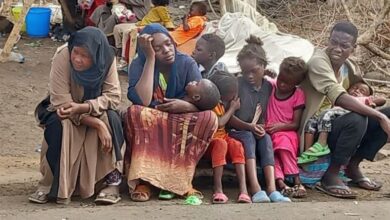
The dramatic rise in the prices of both red and white meat has triggered widespread anger and frustration among Sudanese people, prompting large segments of the population—particularly low- and middle-income groups—to stop buying meat or reduce their consumption. This comes amid the depreciation of the Sudanese pound against foreign currencies, low wages, the loss of income sources for many people, widespread unemployment, and rising poverty rates.
Buying a kilogram of meat has become unaffordable for many Sudanese families, as meat prices have reached unprecedented levels. Sudanese people have traditionally been among the world’s highest meat consumers, while the country has vast livestock resources and ranks among countries with some of the largest livestock populations.
Sharp Price Increases and Alternatives
The price of a kilogram of veal (beef) has risen to 50,000 Sudanese pounds (US$7), while lamb has reached 70,000 pounds (US$9). A kilogram of minced meat has climbed to 60,000 Sudanese pounds (US$7.90).
As for white meat, a kilogram of tilapia has reached 40,000 pounds (US$5), while qaraqir fish has risen to 30,000 Sudanese pounds (US$3.80).
The new price levels have pushed residents of the capital, Khartoum, to seek alternatives to compensate for the loss of animal protein. This has increased demand for legumes such as beans, lentils, and Egyptian fava beans. The sale of fried locusts has also become more active in the Haj Yousif area, with prices rising noticeably. A mola of locusts—approximately one kilogram—has reached 20,000 Sudanese pounds (US$2.50).
Outrage and Deprivation
Citizen Sufian Siddig expressed his anger over the excessive increase in meat prices, saying that the situation has left thousands feeling frustrated and distressed because it will deprive a large segment of the population of both red and white meat.
He said Sudan has enormous livestock resources and argued that attributing the price increases solely to the depreciation of the Sudanese pound against foreign currencies is illogical, describing the situation as evidence of widespread greed in markets and among shop owners.
Siddig added that he and hundreds of other families have already turned to meat alternatives such as lentils and beans. “If these conditions continue, we will become vegetarians against our will,” he said, adding that better-off families may perhaps be able to afford a meat meal only once a month at best.
Boycott and Reduced Consumption
Siham Al-Sheikh, a resident of Al-Jarafa in Omdurman, also expressed concern over the sharp increase in meat prices.
“It is unreasonable for red and white meat prices to rise in this outrageous manner. It makes no sense and reflects considerable greed and exploitation, without taking people’s circumstances into account amid the continuing war,” she said.
Al-Sheikh criticized the lack of official oversight and price controls in markets, saying citizens had not seen “any effective government presence in the markets or efforts to regulate and monitor them.”
She said the resulting disorder had allowed traders and speculators to manipulate prices and contribute to recurring crises.
She noted that the most practical option for residents of the capital, particularly low- and middle-income households, is to boycott meat and other consumer goods whose prices traders excessively inflate, in an effort to pressure sellers to reduce prices through declining demand.
Chicken Feet as a Substitute
Kaltoum Al-Haj, a housewife living in the East Nile area of Khartoum, said most families have changed their lifestyles and now settle for a single meal without meat, particularly after meat prices rose beyond the reach of thousands of families following the loss of daily work and depletion of savings.
She added that hundreds of people in Khartoum had stopped buying meat altogether, while many had turned to chicken feet and offal as a cheaper alternative that gives food a flavor similar to meat.
“The living conditions in Sudan have become unbearable due to the severe difficulties and complete paralysis affecting all aspects of life, amid the absence of local market controls to curb price increases,” she said.
Impact of the War
Economic researcher Abu Bakr Al-Mahi attributed the rise in red meat prices to the impact of the war on livestock, as well as economic inflation, which has pushed up prices not only for meat but across the broader range of goods needed for daily life.
He attributed the sharp increases in meat prices to reduced livestock supplies from major production areas, particularly Darfur and Kordofan, due to the risks of transportation and the lack of secure roads amid the presence of armed groups, rising rates of armed robbery, and increased transportation costs.
The economic researcher stressed that the current price increases are placing additional pressure on families that are already suffering from declining incomes and high inflation.
Birds, Turtles, and Other Wild Animals
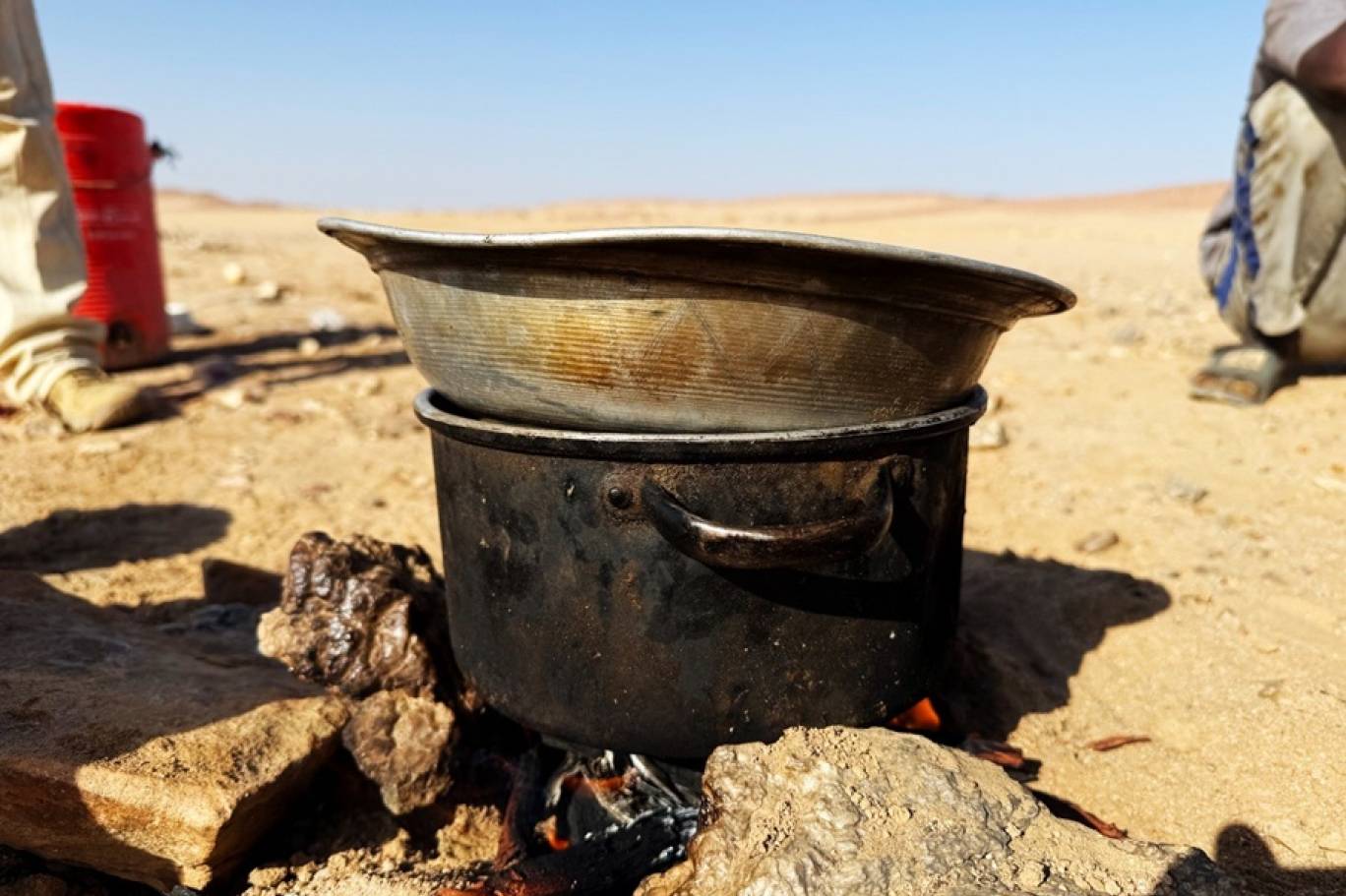
Outside Khartoum, particularly in Sudanese regions experiencing armed conflict, economic hardship has forced residents to turn to unconventional food sources as alternatives to meat. These include various types of birds, turtles, wild rabbits, hedgehogs, desert monitor lizards, and some non-venomous snakes such as asalaat, in addition to cats.
Jadallah Al-Toum, a resident of villages in Al-Qoz locality in South Kordofan, said rising meat prices and depleted savings had forced hundreds of families to seek alternatives. He said hunting, locally known as صيد الخلاء (wildland hunting), has increased significantly in recent months.
Al-Toum noted that many residents who remain in the area hunt rabbits in agricultural fields, as well as hedgehogs, desert monitor lizards, and asalaat snakes, before slaughtering and eating them as a substitute for grilled meat, which has become increasingly scarce amid the war.
He added that birds and turtles have become staple foods on the tables of some villagers, who can no longer afford meat because of high prices and depleted savings.
Tradition and Necessity
Wildlife specialist Momin Makawi said eating the meat of wild birds, animals, and reptiles is not a new practice in Sudan. It is known in several areas, particularly in western Sudan and the White Nile and Blue Nile regions.
He noted that eating desert monitor lizards, hedgehogs, and some non-venomous snakes such as asalaat has long been part of the dietary culture of several tribes in North and South Kordofan, and that the war has contributed to its resurgence alongside increased hunting.
Makawi explained that birds, turtles, and hedgehogs were already present on the tables of some communities before the outbreak of the war. However, after more than two years of armed conflict, the practice has become increasingly widespread, with hunting activities expanding as millions of Sudanese struggle to obtain meat.