Deterioration of Meteorological Services in Sudan after the War: Challenges and Hopes for System Recovery
Port Sudan – Salma El-Sheikh
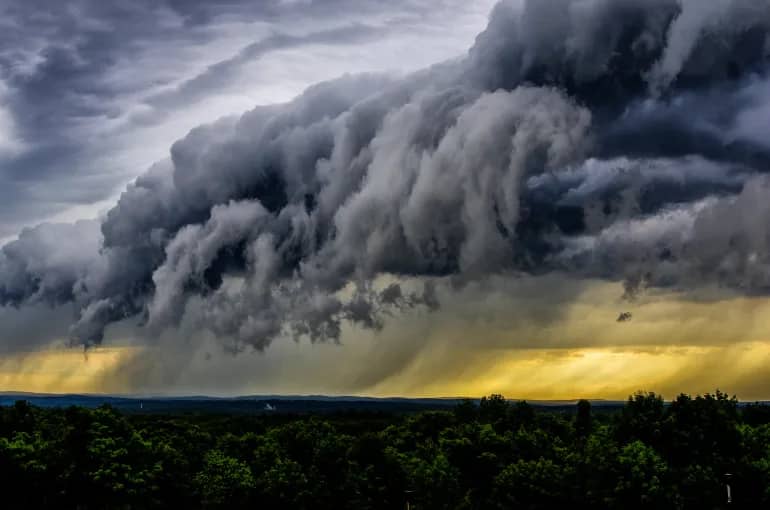
Amid the ongoing war in Sudan, meteorological services have significantly deteriorated, severely affecting the country’s ability to forecast weather and prepare for natural disasters. In an interview with Mr. Mohamed Awad Al-Badawi, a meteorology specialist and expert in weather and climate sciences, he discussed the challenges facing the Sudan Meteorological Authority and the means to rebuild this vital system.
Pre-War Status: Limited Capabilities but Acceptable:
Mr. Al-Badawi explained that, before the outbreak of war, meteorological services operated at a minimally acceptable level, despite clear limitations in resources. There were only 31 stations across the country—agricultural, aeronautical, and maritime—conducting eight observations daily. Satellite data was relied upon to compensate for the lack of ground stations, especially since global standards require a station every 50, 100, or 200 kilometres—something Sudan could not achieve.
He also pointed out that the country lacked upper-atmosphere observation stations (radio sondes), which are costly to operate. There was only one station in Khartoum, operating just once a day due to high costs—about $200 per launch.
Impact of the War: 60% of Stations Out of Service:
With the outbreak of war, the meteorological infrastructure sustained widespread damage, particularly in the capital, Khartoum, which housed most of the equipment and stations. As a result, around 60% of the stations went out of service, especially in the southern and western parts of the country. Automatic weather stations, which had marked the beginning of sector modernisation, also failed due to the lack of maintenance and technical support.
Maintaining Services amid Destruction:
Despite the dire circumstances, the Authority managed to resume part of its services a month after the war began, starting from Port Sudan. This was made possible with support from international and regional partners such as IGAD, the World Meteorological Organisation (WMO), and others who provided external servers to ensure service continuity despite power and internet outages
Ongoing Challenges and Broad Impacts:
Weather and climate expert Noah Adam Hudo spoke about one of the war’s most significant negative impacts on meteorological services: the decline in forecasting accuracy due to data shortages and outdated climate models. This reduced the reliability of weather forecasts and increased the risk of being unprepared for natural disasters like floods, droughts, and dust storms.
He noted that Sudan is one of the regions most affected by flooding, particularly in recent years, making accurate forecasts crucial to minimising the impacts of such events. Accurate forecasting depends heavily on the timely and spatial availability of meteorological data.
He added that the impact extends beyond climate alone, affecting agriculture and food security, particularly in a country that heavily depends on rain-fed agriculture. Weak meteorological services complicate the planning of both irrigated and rain-fed farming seasons and negatively affect water resource management. All of this contributes to declining agricultural production and worsens the food security crisis.
International Support for Recovery:
Dr. Abubakr Al-Siddiq Mohamed Saleh, an expert at the Africa Office of the WMO, confirmed that the organisation has provided significant support to the Sudan Meteorological Authority during the war.
He stated that the organisation developed a modern website for the Authority using advanced computing systems specifically designed to meet the needs of meteorological and hydrological organisations. The website incorporates traditional components alongside a specialised application for issuing and disseminating weather-related warnings and alerts, under international standards of the Common Alerting Protocol (CAP).
The site also provides an interactive platform to display weather data integrated with economic and social information, as well as locations of critical infrastructure. This enables the provision of impact-based climate services that go beyond traditional forecasting, helping relevant authorities to act early, prevent disasters, and protect lives and property.
This platform has allowed the Authority to continue offering forecasting and early warning services despite the harsh realities of war, including the displacement of many staff members both within and outside the country. The WMO also covered the costs of hosting the website on Google Cloud services.
In addition to technical support, the organisation has provided ongoing technical training for Authority staff as part of a long-term partnership. Dr. Abubakr emphasised that there are promising opportunities to expand this cooperation in the coming months.
Conclusion: Toward a Safer Climate Future:
Despite the severe challenges, the collective efforts of international and regional actors open the door to rebuilding Sudan’s meteorological system. This will enhance the country’s ability to adapt to climate change, reduce the risks of natural disasters, and secure a more stable climate future for the people of Sudan.