Kazgil: A Pastoral Haven Caught in the Crossfire of War
Kordofan – Report by Omar Al-Faki
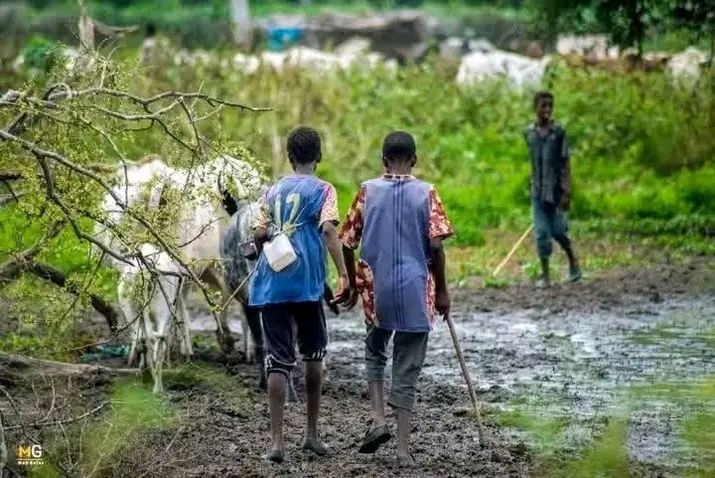
The people most affected by the ongoing conflict in the Kazgil area of North Kordofan State are the pastoralists. The region is among the most important grazing zones, surrounded by vast plains that attract cattle and sheep herders during the rainy season. It is also home to some of the most prominent cheese factories in the Kordofan region.
A Repeated Tragedy
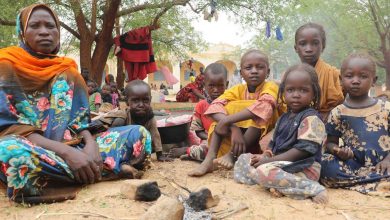
With the onset of this year’s rainy season, herders are facing the same tragedy for the third consecutive year. The war has displaced them from their traditional seasonal grazing lands, forcing them to scatter in all directions. Some have fled to Darfur, while others have sought refuge in South Kordofan.
A Crisis of Grazing
Youssef Muqaddam, a herder who used to spend the rainy season in the area, told Mashawir that they have lost the most important natural pastures in Kordofan since the beginning of the war. Now, they are forced to move to remote areas in search of grazing lands. Youssef, who has relocated to South Kordofan, said Kazgil had been a valuable location for herders due to its abundant pastures and dairy market, which supports various types of cheese production.
He added: “We haven’t just lost our grazing land; we’ve also lost a key source of income. The dairy market used to significantly improve our living conditions. For the past three years, we’ve had to sell our livestock to earn the money we used to get from selling milk.”
Strategic Importance
Kazgil, located 45 kilometers south of El-Obeid on the national highway, holds more than just agricultural value. Its strategic position on the road leading to Al-Dibaybat and Dilling has made it a military focal point for both warring parties.
The Sudanese Armed Forces aim to use it as a base to reclaim Al-Dibaybat, while the Rapid Support Forces (RSF) seek to use it as a forward base to advance toward El-Obeid.
In May, the army recaptured Kazgil from the RSF and used it as a launchpad to liberate Al-Dibaybat. By the end of the same month, the RSF retook the area. Just last week, both sides continued to trade control over the town.
Displacement and Suffering
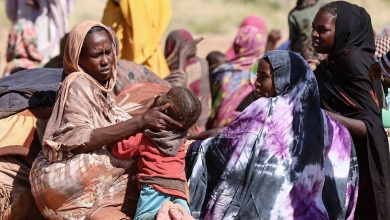
The recent battles around Kazgil have led to the displacement of villagers toward El-Obeid, including residents of Lamina and Al-Haqoona.
A resident of Al-Haqoona, previously attacked by the RSF and where over 21 civilians were killed, told Mashawir that residents of several nearby villages fled to El-Obeid after the RSF returned to the area. He added that both warring sides had carried out retaliatory acts against civilians, forcing many to flee and abandon their last preparations for the rainy season.
According to Musa Mohamed, a tribal leader in the Kazgil area, the current fighting has displaced civilians and denied them the opportunity to begin the agricultural season—further worsening their situation. He warned that if the season is missed, residents will face hunger until next year.
Local sources report ongoing displacement from Kazgil toward El-Obeid, Al-Rahad, and Umm Rawaba, severely impacting livelihoods in a region heavily dependent on agriculture, which the war has now made nearly impossible.