Distances between Sudanese cities are no longer measured in kilometres alone. The rising cost of travel has become an increasingly heavy burden on people’s mobility, forcing them to make difficult choices. With fuel prices soaring and the number of operating buses declining, visiting family members or travelling to meet basic needs has become increasingly difficult.
A report by Al Jazeera correspondent Waddah Al-Taher from Khartoum documented the wave of price increases affecting travel tickets, amid rising operating costs and a shrinking number of available means of transport. The increases are no longer merely a temporary financial burden; they are threatening citizens’ ability to travel between Sudan’s states.
The impact of rising fares is evident in everyday life. University student Abdulrahman said he paid SDG 70,000 (approximately US$58) for a trip to Al-Managil last week, before the ticket price increased to SDG 95,000 (approximately US$79). He expects prices to continue rising in the coming days.
Abdulrahman attributed the increase to higher petrol prices and the simultaneous worsening of living costs. He questioned how ordinary citizens could afford food and drink while also meeting the cost of travel. He added that visiting family members, even those living in nearby areas, could become something people are forced to postpone for years.
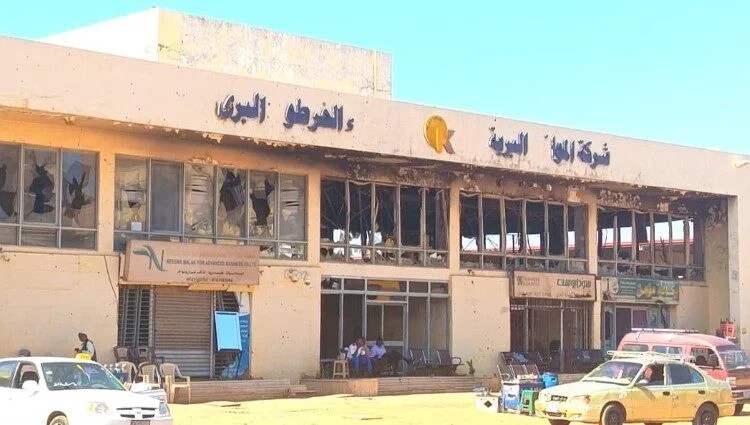
At Khartoum’s land transport terminal, travel costs increase with the distance and duration of journeys, while the number of buses operating on routes connecting the capital to other states has declined. One driver said that rising diesel prices and difficulties obtaining fuel had directly affected bus operations.
The driver noted that the number of buses previously operating on these routes, estimated at between 100 and 150, had fallen to fewer than 30. This decline, coupled with rising fuel prices, reflects a shortage of available transport services amid increasing travel costs.
The Khartoum Intercity Bus Association said ticket prices had increased by 40 per cent compared with previous rates due to higher operating costs, particularly fuel and tyres. A transport sector worker confirmed that these additional expenses were behind the new fares, while observers described the increases as abnormal and linked them to what they consider an economic war imposed on the country.
Lack of Alternatives
Commenting on the price increases during an interview with Al Jazeera, economist Mohamed Al-Nayer said rising operating costs did not sufficiently explain the burden being placed on citizens, holding the government responsible for intervening. He pointed out that governments in other countries had introduced measures to cushion the impact of rising oil prices.
Al-Nayer explained that some countries had absorbed price increases by reducing customs duties and taxes on petroleum products or asking importing companies to surrender part of their profit margins. He suggested that similar measures could have limited the impact of global price increases on consumers.
However, he noted that fuel prices in Sudan continue to rise, pointing to a new increase announced yesterday, Monday, of at least 30 per cent in petrol prices, alongside higher diesel prices. He said the consequences extend beyond the transport sector to affect the overall economic situation.
The economist linked the worsening transport crisis to the absence of sufficient alternatives to road transport, particularly the railway network. He explained that if trains were operating as extensively as they had in the past, they would ease pressure on buses and provide citizens with a more affordable and subsidised means of travelling between states.
Regarding immediate solutions, Al-Nayer acknowledged that restoring the railway network would not be an immediate measure, but rather a medium- to long-term option. In the meantime, he called for urgent government intervention to reduce taxes and fees imposed on petroleum products, which he said are levied at multiple stages, thereby contributing to higher domestic fuel prices.
He also proposed reaching agreements with oil-importing companies and the Petroleum Corporation affiliated with the Ministry of Energy and Petroleum to reduce fuel prices and temporarily narrow profit margins under exceptional circumstances. He argued that coordination between the government and the private sector could help stabilise prices for a specified period.
Al-Nayer warned that continuing to link domestic fuel prices to every increase in global oil prices would lead to a further decline in transport services between states and could eventually push the sector to the brink of a complete shutdown.
He stressed the need for government coordination with the Transport Association to address the crisis and safeguard citizens’ ability to travel.