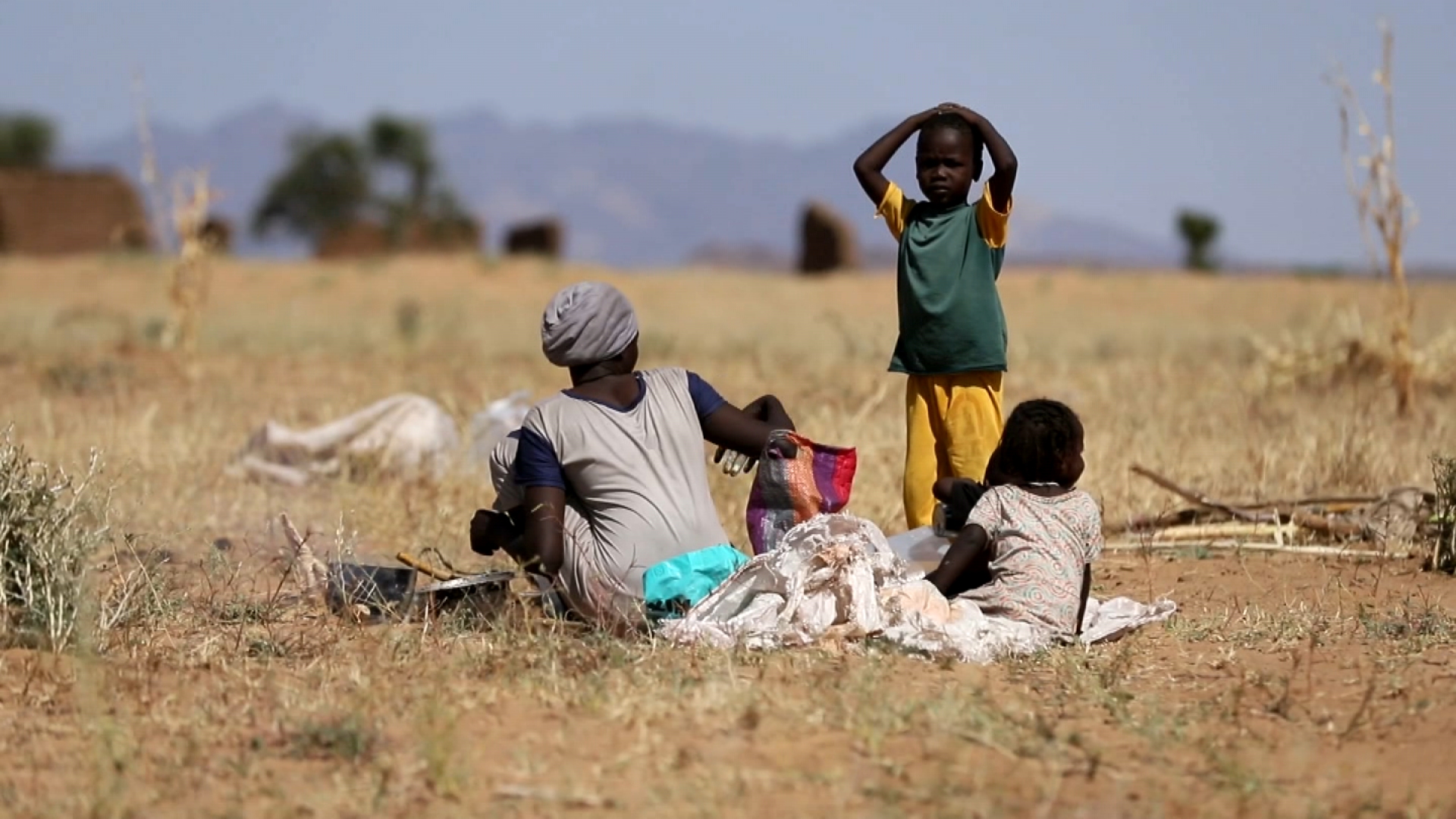
The Darfur region is witnessing a disturbing health situation amid the increasing intensity of diseases and epidemics. This follows the collapse of the health sector and a severe lack of medicines and therapeutic tools in hospitals, which have been directly targeted and had their infrastructure destroyed.
As a result of these conditions, a deadly measles outbreak has spread among children in several areas and cities across the region. According to “Doctors Without Borders” (MSF), the total number of reported measles cases has reached 850, including 310 children suffering from acute malnutrition. The disease has already claimed the lives of dozens of children.
Risks and Obstacles
MSF stated that weekly measles rates in Central Darfur are rising rapidly this year: increasing from three cases in July to 22 in August, 43 in September, reaching 57 in October, and 62 cases in November. The organization emphasized that ongoing violence disrupts access to healthcare for hundreds in need at a time when MSF was actively responding to the outbreak.
MSF revealed it received 850 measles patients between last April and November 2025, 310 of whom were malnourished. Miriam Al-Arousi, MSF Emergency Coordinator in Darfur, stated that activities at Zalingei Hospital cannot resume until the “Rapid Support Forces” (RSF) guarantee safe conditions to protect staff and patients. She added, “It is unacceptable for armed clashes to affect medical facilities and humanitarian aid.”
Jose Sanchez, MSF Medical Coordinator in Darfur, explained that many patients treated in Zalingei suffer from severe acute malnutrition, which significantly increases the risk of serious medical complications.
Suffering and Fears
Mastoura Hamed, who fled with her family from El Fasher to the Mellit area, complained that her child missed the measles vaccine and routine doses scheduled for the first nine months and up to a year and a half. Despite moving between several hospitals and health centers, her journey was in vain due to the total absence of necessary vaccines.
Hamed explained that dozens of mothers are struggling to obtain vaccination doses for their children to no avail. Meanwhile, the Ministry of Health is unable to provide vaccines, citing road closures and escalating battles, leaving youth at risk of death. The displaced Sudanese woman noted that the overcrowding of hundreds of children in displacement centers has led to many health problems, the spread of epidemics, and a lack of medicine.
Lack of Vaccines
In a similar context, Haroun Daoud, a resident of El Daein, the capital of East Darfur, said that children are living in miserable humanitarian conditions, facing “slow death” due to the spread of measles and acute shortages of food and medicine. He added that the number of infected people is increasing at an alarming rate daily, while medical staff fail to control the epidemic because health centers have stopped operating and vaccination rates have plummeted.
Health Measures
Abdulsalam Mustafa Saleh, Director General of the Ministry of Health in West Darfur, noted an increase in measles cases among children in the Forobaranga locality, where about 40 cases were recorded. He noted that the Ministry sent a medical team to investigate and evaluate the health situation and is working to prevent the spread through medical measures and by reconsidering immunization strategies.
Deaths
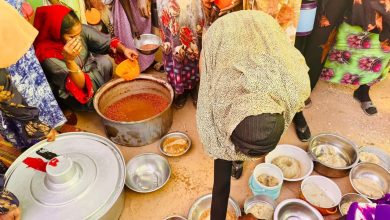
Abdulrahman Al-Rahma, a humanitarian activist in the Tawila area, explained that malnutrition cases in just one camp reached about 400, with more than 150 cases of severe acute malnutrition. He reported that 13 children died in the Lagawa displaced persons camp in East Darfur due to malnutrition and their families’ inability to transport them to hospitals.
Dire Consequences
Sudanese infection control specialist Dr. Montasir Hilali explained that measles is a highly contagious viral infection that can have fatal consequences for young children whose immune systems are not fully developed. He called for urgent vaccination campaigns in displacement centers, noting that the vaccine is 99% effective and usually provides lifelong immunity. He expressed fear regarding cases in El Fasher and surrounding areas that are difficult to reach due to RSF control and reported atrocities.
UN Warnings
UNICEF and the World Health Organization (WHO) warned in a statement that Sudan’s children are at risk of deadly diseases. The statement noted that at least 880,000 infants, more than half, did not receive the first dose of the DTP (Diphtheria, Tetanus, and Pertussis) vaccine last year. Sudan now records the lowest DTP coverage in the world, dropping from 94% in 2022 to 48% last year, the lowest since 1987. This decline has led to outbreaks of polio, measles, and other vaccine-preventable diseases.
MSF Medical Coordinator in Central Darfur, Cecilia Greco, stated that their teams have treated nearly 10,000 people for the disease, including 35 deaths. Specialists noted that current war conditions make a comprehensive campaign nearly impossible due to the complex logistics of cold-chain storage for vaccines, necessitating an emergency “alternative plan” to curb the epidemic.