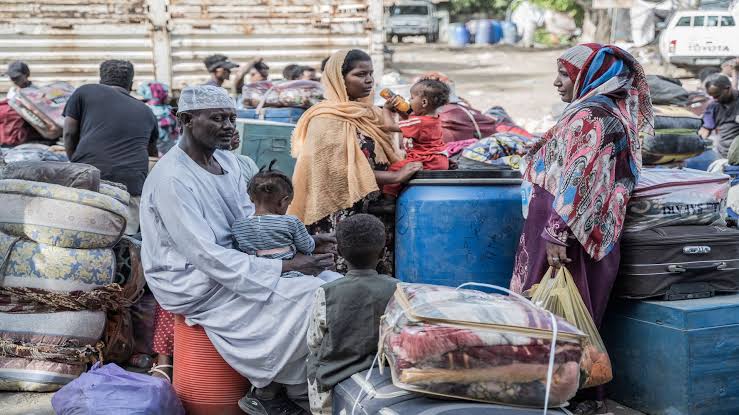
As the war continues and economic conditions deteriorate for most Sudanese due to the suspension of daily work and irregular salary payments, life in many cities and regions across the country is no longer measured by what it adds, but by what people can afford to give up amid scarce resources. Living spaces are shrinking, meals are being reduced, essential needs are postponed, and the features of ordinary daily life have transformed into a continuous struggle for survival rather than a normal routine.
As a result of these conditions, the majority of Sudanese have lost their sources of income and their homes due to destruction and looting. They now struggle to secure the bare minimum for survival amid record-high prices of consumer goods and food items, while personal savings continue to dwindle.
Looted Homes
In this context, citizen Omar Ahmed Adam, a resident of Al-Jamiab area in Omdurman, told Mashawir that he returned home after a period of displacement only to find it completely empty after all his personal belongings had been looted, leaving nothing but the walls.
Regarding the economic situation, Adam confirmed that most families who have returned to their homes are facing multiple crises, particularly the loss of limited income sources and the lack of employment opportunities.
He explained that neighborhoods in the capital are witnessing significant population inflows as citizens return daily, which requires the government to provide at least basic services, especially electricity, water, healthcare, and education, to accommodate the growing number of returnees to Omdurman, Bahri, and Khartoum and enable them to settle permanently.
Rising Prices
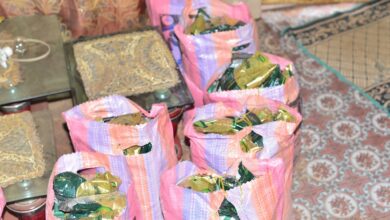
Similarly, trader Mahmoud Hussein, who works in Souq Sabreen, stated that goods and furniture are entering markets at reduced prices and attracting customers without questions being asked about their origins, although many people know they were looted from citizens’ homes.
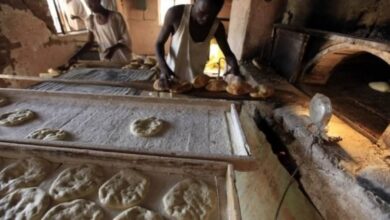
Speaking to Mashawir, Hussein noted that food products and other goods are available in the markets, but the depreciation of the Sudanese pound against foreign currencies has driven prices to record levels beyond the reach of most Khartoum residents.
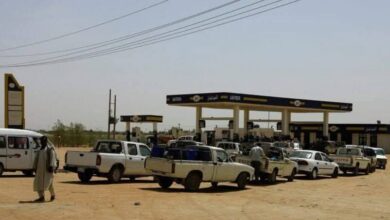
He added that fuel shortages and rising fuel prices have increased transportation costs, further worsening living conditions and placing traders in an increasingly difficult position.
Urgent Demands
For his part, Hatem Al-Tahir, a resident of western Omdurman, stressed the need for urgent healthcare services through the reopening of medical centers and clinics, the restoration of electricity, telecommunications, and internet networks that support many essential services, and the provision of safe drinking water and energy supplies.
In his remarks to Mashawir, he highlighted the importance of removing obstacles that citizens face in their daily lives and strengthening security and stability in Khartoum to absorb the increasing numbers of returnees under voluntary return programs.
Al-Tahir also called on authorities to rehabilitate damaged factories to create employment opportunities, facilitate the resumption of work for traders and artisans, and improve electricity, water, healthcare, and education services.
Priorities and Requirements
Economic analyst Salah Babiker believes that the government’s urgent provision of basic services would help drive recovery and improve healthcare, education, electricity, and overall security conditions.
Speaking to Mashawir, he said that restoring normal life in Khartoum depends on the availability of services and employment opportunities through the reopening of markets, restructuring the productive sector, granting exceptional tax exemptions, and suspending fees and levies so that returnees can rebuild their lives. According to him, stability is closely linked to employment opportunities and economic dignity.
Babiker also pointed out that the expected large-scale return of internally displaced persons and refugees to Khartoum State in the coming period will pose a significant challenge and may further complicate daily life, as the currently available services—despite government efforts—are barely sufficient to meet the needs of the existing population.